
A warehouse can look secure right up until a roller door is left unsecured after a late delivery, a former contractor’s key still works, or a camera records an incident without giving anyone a usable image. Losses often come from small gaps between procedures, physical security and staff habits.
This warehouse security system checklist helps warehouse owners, facilities managers and property managers identify those gaps before they become an expensive break-in, stock loss or safety issue. Work through it on site, at different times of day where possible, and record what needs attention.
Start with your warehouse security system checklist
Security should match the site, the stock and the way people move through the building. A warehouse storing high-value tools, alcohol, electronics or controlled goods needs a different level of protection from a site holding low-risk packaging materials. The same applies to warehouses operating overnight, sharing an industrial complex or receiving frequent deliveries.
Start by walking the perimeter and asking a simple question: if someone wanted to enter without permission, where would they try first? Then follow the likely path from the boundary to the building, stock areas, offices and dispatch points. This practical approach often reveals issues that are missed when systems are reviewed only from behind a desk.
1. Check perimeter boundaries and external lighting
Fences, gates and lighting provide the first visible deterrent. Inspect fencing for damaged panels, loose fixings, gaps beneath the fence and vegetation that creates cover near entry points. Gates should close properly, resist lifting or forcing, and be secured whenever the site is unattended.
Lighting needs to cover pedestrian gates, loading docks, roller doors, car parks and the paths staff use to enter and leave. Replace failed fittings promptly and check whether trees, signs or stored pallets block light or camera views. Sensor lighting can be useful around less-used areas, but permanent lighting may be more suitable for busy loading zones and critical access points.
2. Inspect doors, roller shutters and locks
A strong alarm cannot compensate for a weak door. Check personnel doors for solid frames, protected hinges and quality commercial-grade locks. If keys have been copied over the years or staff turnover has been high, rekeying or moving to a restricted key system may be the sensible choice.
Roller doors deserve close attention. Look for damage, worn guides, gaps, weak locking points and signs that the door can be lifted when closed. A roller door motor is not necessarily a security lock. Depending on the door and operating requirements, additional locking, door contacts or monitored alarm protection may be needed.
Do not overlook rear exits, fire doors, plant rooms, roof access hatches and internal doors between the warehouse and office. Fire exits must remain safe and compliant for emergency escape, but they should also be protected against unauthorised use. The right solution balances life safety with controlled access.
3. Control who has keys, cards and codes
Many warehouses have adequate locks but poor key control. There should be a current record of every key, swipe card, fob and alarm code, including who holds it and what it opens. If nobody can confidently account for the keys, the site is not under control.
Review access whenever an employee leaves, a tenant changes, a contractor finishes work or a manager moves roles. Cancel credentials immediately where electronic access is used. For mechanical keys, collect them where possible and rekey affected doors when there is any doubt about copies in circulation.
Master key systems can make daily operations easier by giving supervisors access to multiple areas while limiting staff access to only the doors they need. Restricted key systems add another layer of control because keys cannot be duplicated without authorisation. The best option depends on the number of doors, staff turnover and whether several businesses share the site.
4. Review access control at critical doors
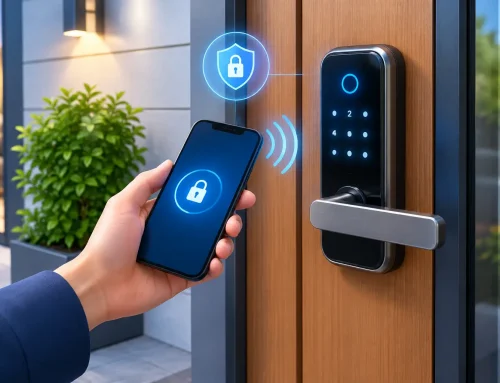
Electronic access control creates a useful record of who entered, where and when. It is particularly valuable for offices, high-value stock cages, server rooms, chemical storage, dispatch areas and out-of-hours entry points.
Check that access permissions reflect current roles rather than old habits. Warehouse pickers may need access to stock areas during shifts but not the accounts office. Delivery drivers may need entry to a reception point, not free movement through the building. Consider time-based access as well, especially for contractors and cleaners.
Ensure there is a clear process for power failures and emergencies. Staff must know how to exit safely, and authorised managers need a reliable way to access the building if a system fault occurs. Mechanical override keys should be tightly controlled, not left in an obvious cupboard.
5. Test alarm coverage and response procedures
Walk through the alarm system with the site plan in hand. Confirm that doors, roller doors, windows and vulnerable internal areas are protected. Motion detection may suit open warehouse space, while contacts and specialised sensors may be needed for certain doors or high-risk rooms.
False alarms create complacency, so address repeated faults rather than asking staff to ignore them. Test the system in line with the manufacturer’s guidance and confirm that the monitoring provider has the right keyholder contacts, mobile numbers and escalation order.
Your response plan matters as much as the alarm itself. Decide who attends after hours, whether it is safe for them to enter alone and when police should be contacted. Keep this procedure current, particularly after management changes. A 2 am alarm is not the time to discover the keyholder list is five years old.
6. Make CCTV useful, not merely visible
Cameras should help you identify what happened, not simply show that someone was present. Review coverage at gates, pedestrian entrances, loading docks, roller doors, cash handling points, stock cages and areas where valuable goods are picked or packed.
Check camera height, lighting, image quality and blind spots. A camera pointed towards bright external light may capture silhouettes rather than faces. Cameras also need to be positioned to identify vehicles entering and leaving, including number plates where practical.
Confirm that recordings are retained for an appropriate period and that authorised staff know how to retrieve footage. Test this process. There is little value in discovering after an incident that footage was overwritten, the recorder was offline or nobody knows the login details. CCTV should be supported by clear signage and privacy practices appropriate to your workplace.
7. Secure stock, tools and high-risk areas inside
Once an intruder is inside, internal security can limit loss. Identify the goods most likely to be targeted and avoid storing them directly beside roller doors or in easy-to-reach locations. Lockable cages, secure cupboards and separately alarmed rooms can provide sensible protection for compact, high-value stock.
Forklift keys, power tools, laptops, fuel cards and handheld scanners also need control. Leaving keys in machinery may turn a break-in into theft, property damage or a serious safety risk. Issue keys through a sign-out process or secure them in a controlled cabinet.
Keep dispatch areas orderly. Pallets stacked against fences can create climbing aids, while stock placed in front of emergency exits creates both a security and safety problem. Good housekeeping is not a substitute for security hardware, but it removes opportunities and makes unusual activity easier to spot.
8. Include people, contractors and daily routines
A warehouse security plan works only when staff understand it. Train employees on opening and closing procedures, visitor sign-in, tailgating, reporting damaged locks and challenging unknown people appropriately. The goal is not to make staff confrontational. It is to make security part of normal site operations.
Contractors, cleaners and delivery personnel require particular attention because their access may be irregular. Give them only the access they need, for the time they need it, and keep records of who is on site. If drivers regularly enter after hours, establish a controlled drop-off arrangement rather than sharing a universal code.
Use a written closing checklist covering roller doors, pedestrian doors, alarms, keys, site gates and external lighting. Assign responsibility by name or role. Where several shifts operate, confirm the handover process so one team does not assume another has secured the premises.
Set priorities and review the checklist regularly
Not every issue requires a major upgrade. A damaged lock, uncontrolled key copies or an unmonitored rear door should be addressed quickly. Other improvements, such as a broader access control system or additional camera coverage, can be planned in stages around budget and operational disruption.
Review this warehouse security system checklist after a break-in, attempted entry, staffing change, warehouse expansion or tenancy change. It is also worth reviewing before peak trading periods, when stock levels rise and after-hours activity often increases.
For Canberra warehouses, a licensed commercial locksmith can assess physical entry points alongside key management and access options, then recommend practical work in the right order. Night & Day Locksmiths provides local commercial security support, including locks, restricted keys and access solutions, with the calm, responsive service a busy site needs. The best time to fix a weak point is during a planned inspection, not after the first call from an alarm at night.