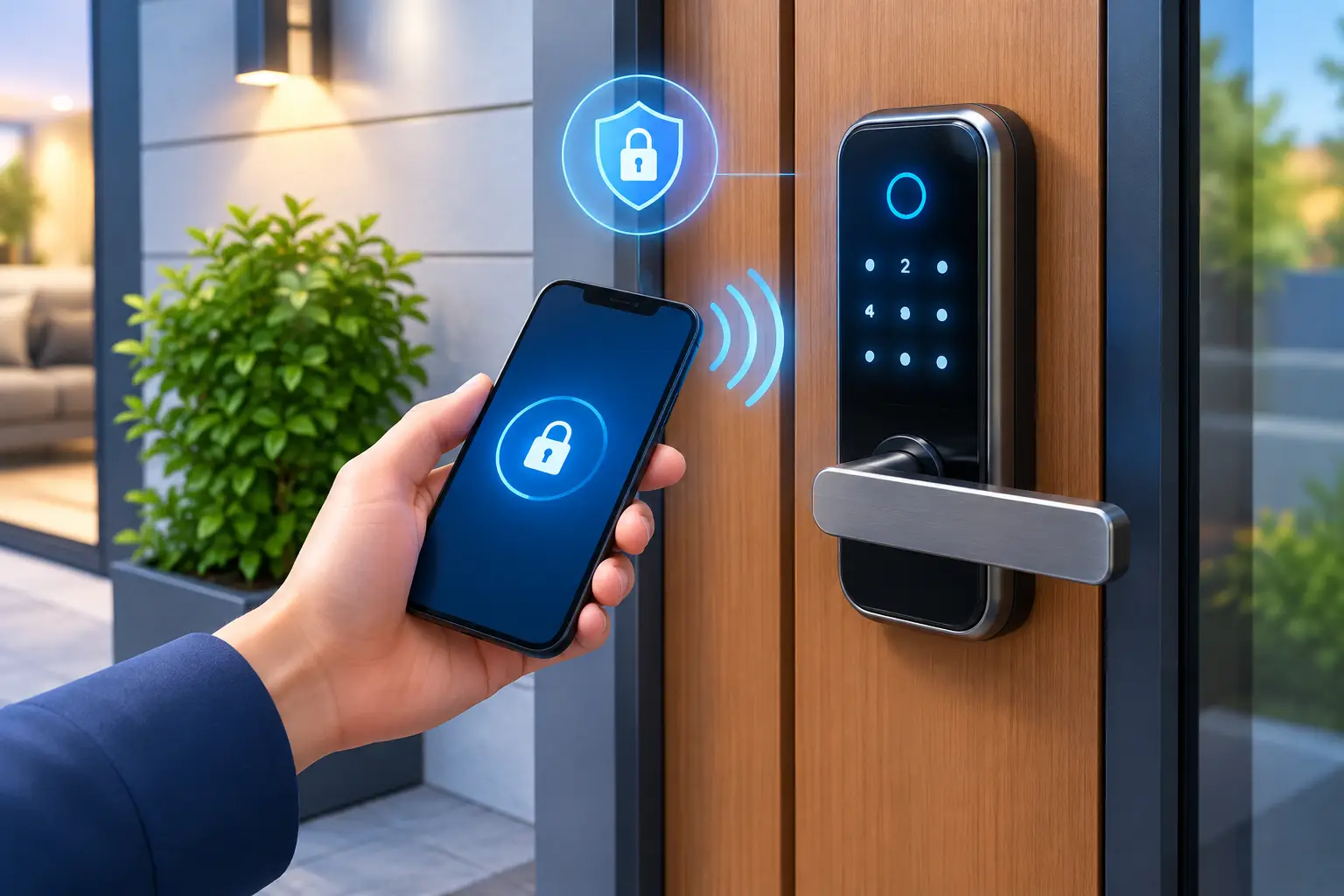
A spare key under the pot plant may feel convenient until a tradesperson, former tenant or opportunistic passer-by finds it. This keyless entry system review looks at the practical alternatives: keypad locks, smart locks, electronic door hardware and commercial access control. The right choice can make daily access easier while giving you far better control over who comes and goes.
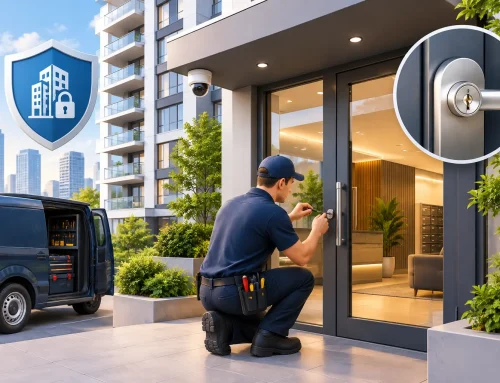
Keyless entry is not one product, and it is not automatically the best answer for every door. A family home has different needs to a warehouse, short-stay property or strata building. The best system is one that suits the door, the people using it and the level of security required, then is installed properly by a licensed locksmith.
Keyless Entry System Review: The Main Options
For most homes, a digital keypad lock is the simplest starting point. Users enter a PIN instead of carrying a key, and many models still include a physical key override for peace of mind. They are especially useful for families with school-aged children, cleaners, carers and regular tradespeople. Rather than handing out another copy of the house key, you can provide a code and change it when circumstances change.
Smart locks add mobile control. Depending on the model, you may be able to lock or open the door with an app, receive activity notifications, set temporary codes or check whether the door was left unsecured. This can be useful for landlords and busy households, but it brings a few extra considerations. The lock needs reliable battery management, suitable connectivity and a clear plan for what happens if a mobile is flat, misplaced or not connecting.
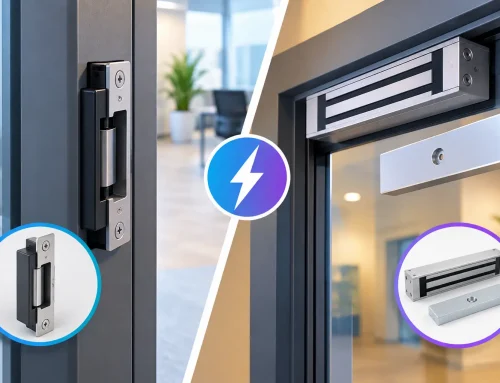
For commercial sites, standalone keypad locks can work well on low-traffic internal doors, such as staff rooms or storage areas. Larger premises usually benefit from an access control system using cards, fobs, PINs or mobile credentials. These systems can restrict access by person, door and time of day. They also create a record of entry events, which is valuable for offices, medical practices, warehouses and strata common areas.
Biometric readers, including fingerprint access, can be convenient in selected settings. However, they are not always the most practical choice outdoors, where dust, rain, sunscreen or work-worn hands can affect reading accuracy. A PIN or fob system may be less flashy, but more dependable for a busy worksite.
What Makes a Keyless System Worth Buying?
The first question is not whether the lock has the longest feature list. It is whether it protects the door properly. A quality electronic lock should suit the door material and thickness, the existing hardware, exposure to weather and the way the door is used. A front entry door, sliding door, aluminium shopfront and fire-rated commercial door each need a different approach.
Look closely at the locking mechanism, not only the keypad or app. Some products are designed for light residential convenience and should not be relied on as the sole security measure for a high-risk external door. Others use a proper deadlatch or deadbolt arrangement and are better suited to primary entry points. A locksmith can assess whether the door frame, strike plate and hinges also need attention. An expensive lock on a weak frame does not provide the protection people expect.
Battery warnings are another important feature. Most battery-operated locks provide a low-battery alert well before power runs out, but owners need to act on it. Choose a model with an emergency power option, such as external contacts for a backup battery, and retain the mechanical override key where one is supplied. Keep that key somewhere secure away from the door itself.
For connected locks, ask how access is managed. Good systems allow separate codes or credentials for different users rather than one shared household PIN. Temporary codes are useful for a dog walker, cleaner or contractor. Just as importantly, access should be easy to remove when the job, tenancy or employment ends.
Convenience Has Limits
Keyless entry reduces the number of physical keys in circulation, but it does not remove the need for sensible security habits. A code written on a note near the door defeats the purpose. Staff should not share their personal PIN, and a common code should be changed after a staff departure or contractor access period.
Smart features can also create dependency. If your household prefers a straightforward lock with no apps, updates or wireless connection, a quality keypad deadbolt may be the better fit. It gives you code-based entry without adding technology that nobody will use. On the other hand, app-based access can be a genuine benefit for owners who regularly manage visitors remotely or oversee several properties.
There is also a cost trade-off. Basic keypad locks are generally more affordable than fully connected smart locks, while professionally managed commercial access control involves a greater upfront investment. That cost can be justified where lost keys, staff turnover or restricted areas are ongoing concerns. Replacing keys and cylinders after each personnel change can soon cost more than a system that lets an authorised manager cancel a fob in minutes.
Choosing for Homes, Rentals and Businesses
For an owner-occupied home, start with the entry routine. If teenagers often misplace keys, a keypad lock with individual codes can take pressure off the morning rush. If you travel regularly and need to let a trusted person in occasionally, remote code management may be worthwhile. Check that the chosen model is rated for external use if it will face Canberra’s cold winters, summer heat and driving rain.
Rental properties need a slightly different approach. Landlords should make sure the lock is suitable for the tenancy arrangement and that access remains fair and manageable for occupants. At the end of a lease, digital credentials can be deleted rather than relying on every physical key being returned. For higher-value properties, combining keyless entry with a well-fitted security screen, quality deadlock and adequate exterior lighting provides a more considered result than relying on one device alone.
Businesses should think beyond the front door. Identify which areas genuinely need controlled access: server rooms, stock rooms, staff-only doors, plant areas and shared entries are common examples. A system that gives every worker unrestricted access to every room is convenient, but it may not be appropriate. Access control is most effective when permissions match each person’s role.
Property managers and strata committees should also plan for administration. Someone needs authority to add and remove users, retain an up-to-date credential register and respond when hardware reports a fault. Selecting a system that nobody on site understands can turn a simple access issue into an urgent callout.
Installation Matters More Than Many People Expect
Electronic locks need accurate fitting. Misaligned doors, loose strike plates and worn hinges can prevent a lock from latching properly, drain batteries through repeated motor effort or trigger false alerts. The installation should account for door handing, clearance, weather exposure, existing holes and any fire or egress requirements.
For commercial doors, compliance and safe exit are essential. People must be able to leave safely in an emergency, even when entry is restricted. This is one reason access control should be planned by an experienced security professional rather than treated as a weekend hardware swap.
Before installation, ask what happens in the common failure scenarios: a flat battery, failed keypad, lost mobile, power outage, damaged door or forgotten code. A good system has clear answers, and the people using it know what to do. Keep records of master credentials and recovery instructions secure, not taped inside a desk drawer.
When a Traditional Key Still Makes Sense
A conventional mechanical lock remains a sound option for many doors. It has no batteries, suits low-use gates and sheds well, and is familiar to everyone. Keyless entry is most valuable where managing access is the bigger problem, not simply opening a door.
That is why the best keyless entry system review is not about declaring one technology the winner. It is about matching the system to the risk, the door and the people relying on it. If you are considering an upgrade, Night & Day Locksmiths can assess the existing hardware, explain the practical options and fit a solution that remains dependable long after the first code is programmed.
A door should never become a daily source of frustration. Choose access that your household or team can use confidently, maintain properly and control when it matters most.