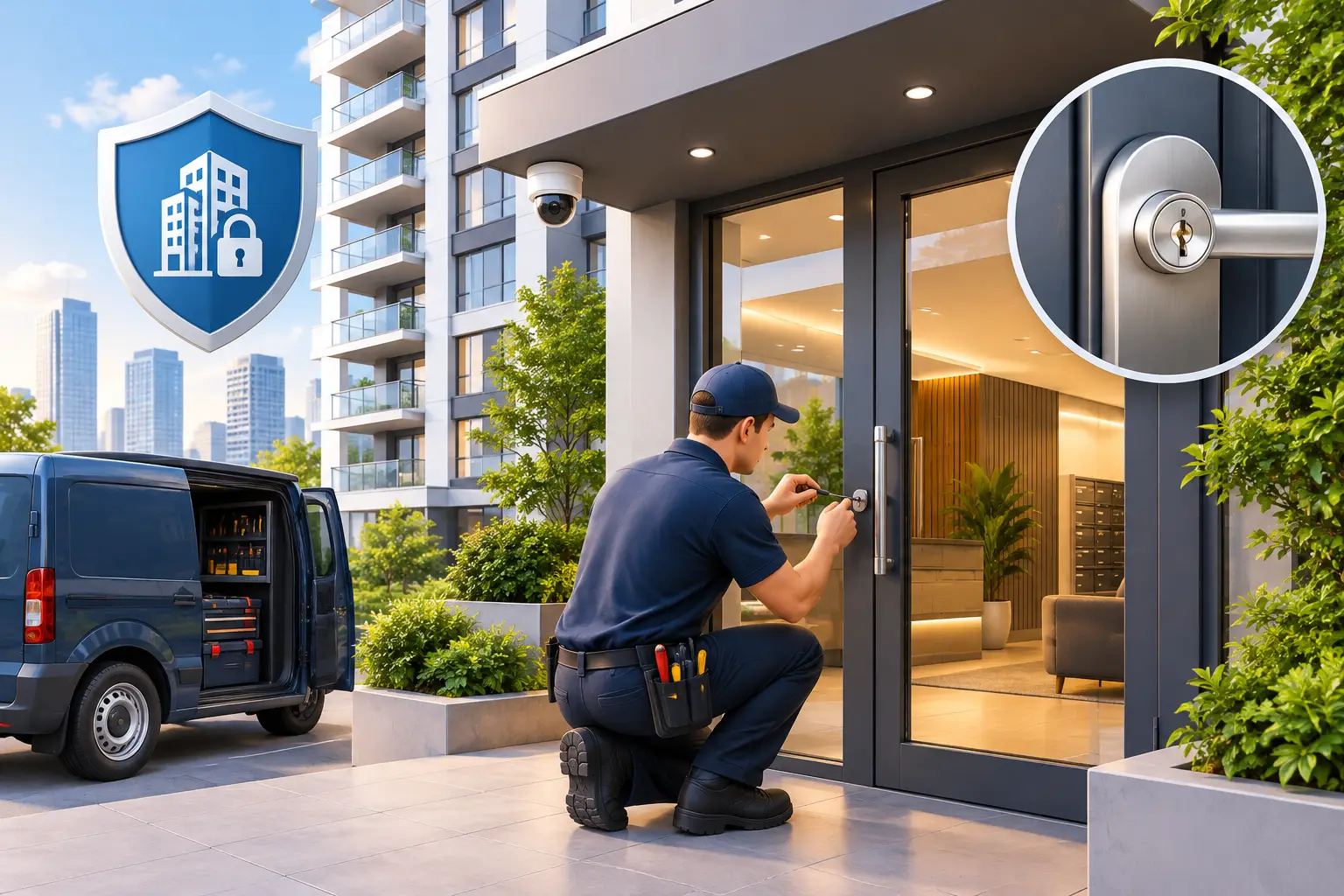
A lost master key, a resident locked out after hours or a damaged common-area door can quickly become a building-wide security issue. Reliable strata locksmith services give committees, building managers and owners corporations a clear way to respond without putting residents, assets or access records at risk.
Strata properties have more moving parts than a typical home. There may be individual units, shared entries, mailboxes, plant rooms, garages, storage cages, fire exits, pools and office areas to consider. Each door has a different purpose, and the right security solution needs to balance safety, convenience and proper control over who holds keys.
What strata locksmith services should cover
A dependable locksmith should be able to assist with both urgent call-outs and planned security work. Emergency support matters when a common entry lock fails, keys are stolen or a resident cannot access their property. Planned work is just as valuable, particularly after a change in managing agents, building upgrades or repeated security concerns.
For most strata properties, the work may include lock repairs, lock replacement, rekeying, key cutting, restricted key systems, master key systems, access control and security assessments. The aim is not simply to fit a new lock. It is to ensure the lock suits the door, the area’s level of risk and the way residents and contractors need to use the building.
A shared front entrance, for example, needs to withstand frequent use and may benefit from controlled access. A plant room should have tighter key control than a general storeroom. Garage remotes, mailbox keys and fob access also need to be managed carefully, especially in larger complexes where records can become unclear over time.
Emergency access without compromising security
When something goes wrong after hours, building managers need a locksmith who can assess the problem quickly and act responsibly. A broken lock on a common door is not always a simple maintenance job. If that door provides access to internal corridors, parking or storage areas, the building may be exposed until it is secured.
A professional emergency response should focus on restoring safe access while protecting the property. That can involve gaining entry with minimal damage, repairing the existing hardware where practical or fitting a suitable replacement if the lock has failed beyond repair. If keys have been lost or stolen, the locksmith can also advise whether immediate rekeying is the safer option.
Not every lockout requires a full lock change. If a resident has left keys inside their unit, non-destructive entry may be all that is needed, provided they can show authority to access the property. On the other hand, a missing master key, former contractor key or compromised restricted key should be treated more seriously.
Rekeying versus replacing locks
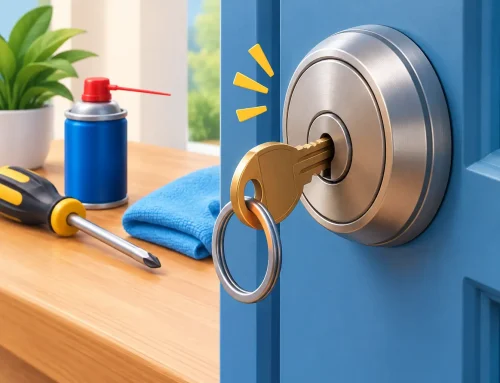
Rekeying is often one of the most cost-effective security measures for strata buildings. It changes the internal configuration of a compatible lock so old keys no longer work, while the external hardware can remain in place. This is useful after a key is not returned, a committee changes, a contractor arrangement ends or there is uncertainty about how many copies are circulating.
Replacing a lock may be the better choice when hardware is worn, damaged, unsuitable for the door or no longer provides the level of security required. Older locks on high-traffic doors can become unreliable, and a repeated repair bill may eventually cost more than installing quality commercial-grade hardware.
The right decision depends on the condition of the lock, the risk involved and whether the property needs to maintain a master key arrangement. An experienced locksmith can explain the practical options before work begins, rather than recommending a one-size-fits-all replacement.
Key control is the foundation of strata security
Many strata security problems are not caused by forced entry. They start with keys that have been copied without approval, handed from one person to another or never collected when a tenancy or service agreement ends.
Restricted key systems give strata managers greater control because keys can only be duplicated through authorised channels. This provides a clearer record of who has requested keys and reduces the chance of uncontrolled copying at a shopping centre key counter. For common areas, offices, plant rooms and sensitive storage spaces, that added control can make a substantial difference.
A master key system can also simplify day-to-day building management. Residents may have access only to their own unit and approved shared spaces, while authorised managers hold a key that works across selected areas. The system must be designed carefully. Giving one key access to too many doors can create unnecessary exposure if it is lost, while an overly complicated arrangement can slow maintenance and emergency response.
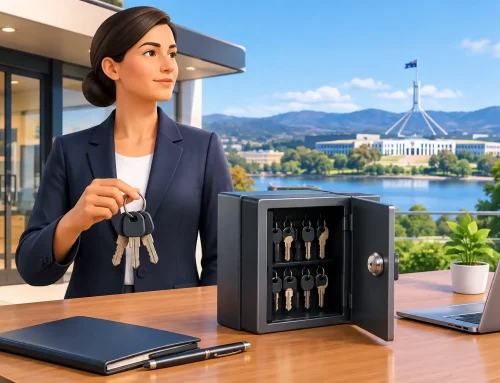
Good key control relies on administration as well as hardware. Keep an up-to-date key register, record issue and return dates, confirm who can authorise duplicates, and review access after staffing, tenancy or contractor changes. These small processes can prevent expensive rekeying later.
Common areas need hardware built for daily use
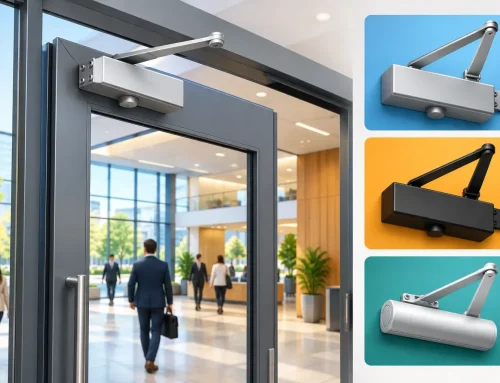
A lock that works well on a quiet unit door may not be appropriate for a busy foyer, stairwell or garage entry. Common-area doors experience more traffic, more pressure on closers and more opportunities for misuse. The door frame, hinges, strike plate and door closer all affect security, not just the cylinder or keyway.
For this reason, strata locksmith services should look at the complete opening. A poorly aligned door can cause premature lock failure. A weak strike plate may reduce the benefit of a quality deadlock. Fire doors and emergency exits require particular care, as changes must not interfere with safe egress or compliance requirements.
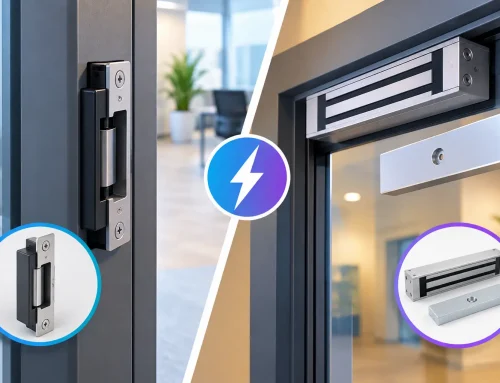
Electronic access can be a practical option for some buildings, particularly where fobs, cards or codes are easier to manage than a large number of physical keys. It can make changes quicker when residents move, but it also requires reliable hardware, clear administration and a plan for outages or lost credentials. Electronic systems are useful where they solve a genuine management problem, not simply because they are newer.
When to arrange a strata security review
Security reviews are most useful before a major incident occurs. If residents report tailgating through common doors, locks are frequently jamming, keys have changed hands repeatedly or there has been attempted break-in activity, it is worth assessing the current setup.
A review can identify doors with mismatched hardware, outdated lock types, uncontrolled key copying or access points that need stronger protection. It can also help a committee stage improvements over time rather than facing a large, unexpected expense after a security failure.
For Canberra strata managers, a local, fully licenced locksmith with genuine after-hours availability offers practical reassurance when urgent issues arise. Night & Day Locksmiths has supported local homes, businesses and strata properties for decades, with mobile assistance for lockouts, repairs, rekeying and broader access security needs.
Choosing a locksmith for your strata property
Price matters, but it should not be the only consideration when the work affects an entire building. Ask whether the locksmith is licenced, whether they can attend after hours, and whether they have experience with master key systems, restricted keys and commercial-grade hardware. It is also sensible to confirm how authorisation will be handled before keys are cut or access is granted.
Consistency is valuable for ongoing strata work. A locksmith who understands the property’s keying system, door hardware and past repairs can provide better advice and reduce disruption when new work is needed. Clear records, prompt communication and practical recommendations are usually more valuable than the cheapest one-off call-out.
A well-managed strata building does not need to make access difficult for everyone. It needs the right people to get in when they should, and a trusted local professional ready to help when something does not go to plan.