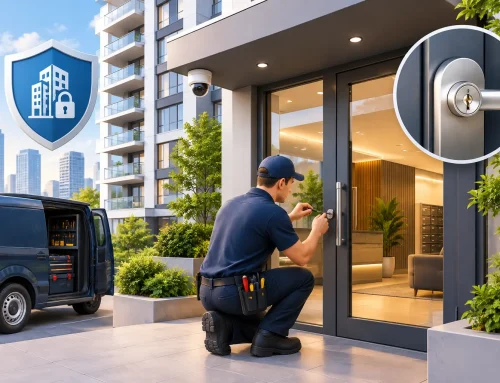
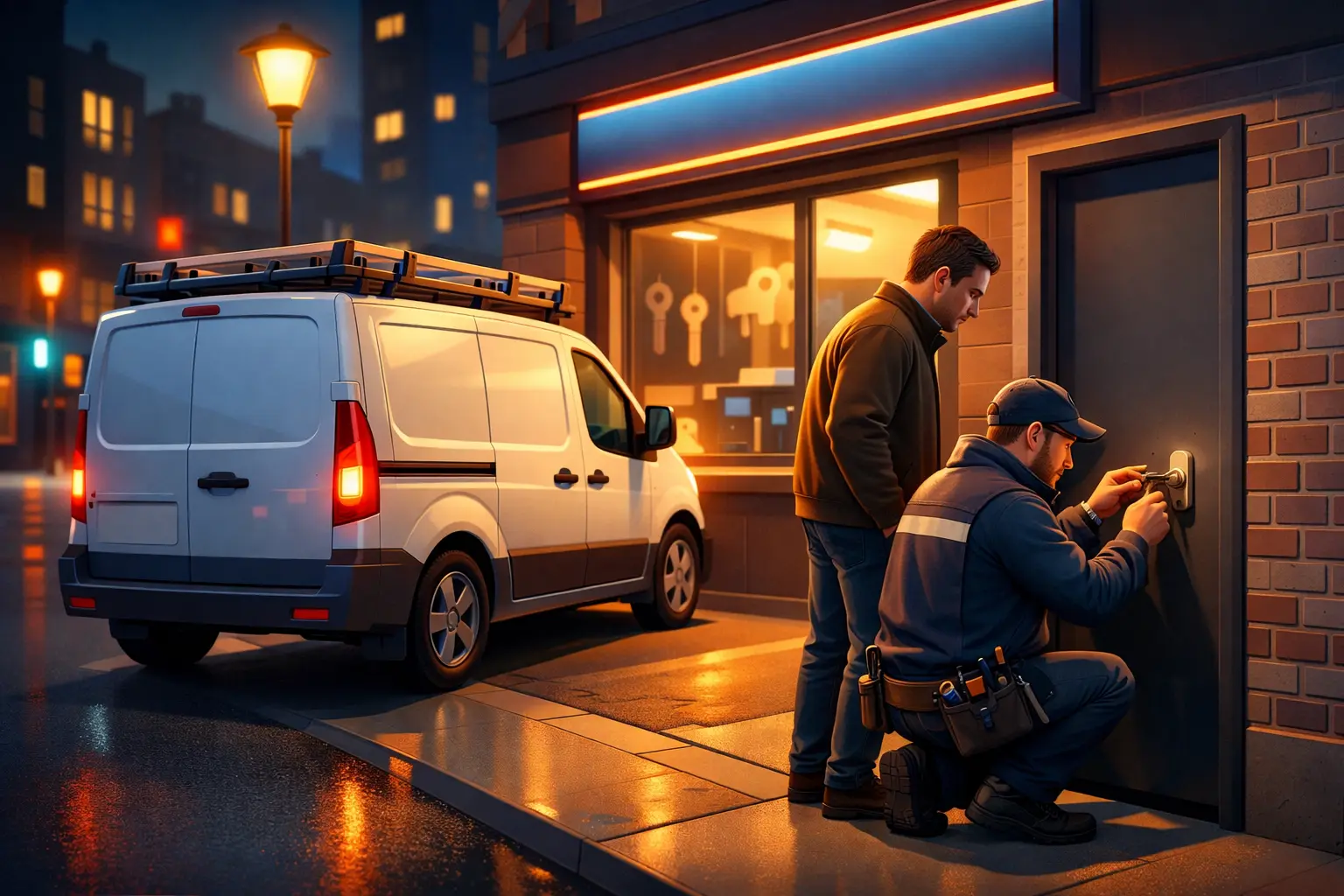
A front door that will not open at 11 pm, keys locked in the car after a late shift, or a broken shop lock before morning trade can turn a normal night into a security concern. An after hours locksmith service gives you a practical way to regain access, secure the property and make informed decisions without waiting until business hours.
The right response depends on the situation. A simple home lockout needs careful entry without damage. A lost set of keys may call for rekeying or a lock change. A forced door, damaged ignition or compromised commercial premises needs a broader security response. Knowing what to do first can protect both your property and your peace of mind.
When to call an after hours locksmith service
Not every lock issue requires an emergency callout, but waiting is not always the safer or cheaper option. If you are locked out and cannot safely stay where you are, have a child or vulnerable person inside, or cannot secure your home, vehicle or business, prompt help is sensible.
After-hours assistance is also appropriate when keys have been lost or stolen. Even if you have a spare key, someone else may be able to identify the property the keys belong to. Rekeying lets a locksmith alter the lock so old keys no longer work, often without replacing the full lockset. It is usually a sensible option after a handbag theft, an unreturned key or a tenancy change.
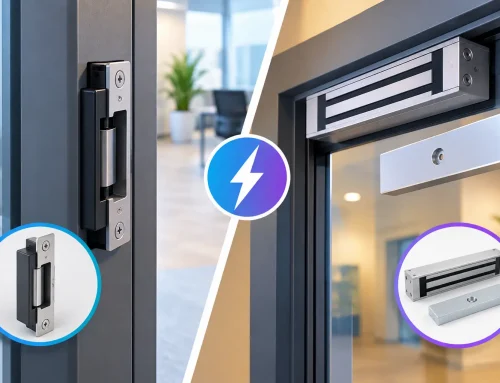
For business owners and property managers, the urgency is often about protecting stock, staff and site access. A failed roller-door lock, damaged glass-door lock or missing master key can leave a premises exposed overnight. A qualified locksmith can assess the immediate risk, make the opening secure and advise on a permanent repair or access-control solution.
Vehicle problems also need a different approach. A locked car, lost transponder key or faulty ignition should be handled by a locksmith equipped for automotive work. Attempting to force a door or use improvised tools can damage seals, locks, electronics and paintwork, costing far more than professional assistance.
What a professional after hours locksmith service should do
A trustworthy locksmith does more than arrive with tools. They should ask clear questions before attending, including your location, the type of property or vehicle, what has happened and whether anyone is in immediate danger. This helps them send the right technician and equipment.
On arrival, a professional locksmith should verify that you are authorised to access the home, vehicle or premises. This can feel inconvenient when you are standing outside in the cold, but it is an essential safeguard. Identification, a lease, vehicle registration or contact with a property manager may help establish authority, depending on the circumstances.
The preferred method for a lockout is non-destructive entry wherever possible. Sometimes drilling or replacing a lock is necessary, particularly when a lock has failed internally or has been damaged during a break-in. A good locksmith will explain why this is required before proceeding and discuss the available replacement options.
For emergency security work, the immediate goal is to leave the property safe. That may involve fitting a new lock, rekeying cylinders, repairing a door lock, securing a temporary solution or arranging follow-up work for specialised hardware. The best outcome is not simply getting back inside. It is knowing the door can be locked properly once the technician leaves.
What to do while you wait
Your safety comes first. If there has been a break-in, you believe someone may still be inside, or you feel threatened, move to a safe place and call emergency services. Avoid entering a property that may be unsafe or touching damaged doors, windows and locks that may be relevant to a police report or insurance claim.
If you are locked out of a home or car in a safe location, wait somewhere well lit if possible. Let a family member, friend or colleague know where you are, especially late at night. Keep your mobile charged and have identification or proof of address ready for the locksmith.
Do not force the lock, climb through a window or try internet lock-picking tricks. These methods often damage the door, window frame or locking mechanism, and they can create an insurance issue after the fact. They also make a straightforward job more complex. A licensed locksmith has the tools and training to assess the lock properly.
If keys are stolen, note where they were lost and what personal information was attached to them. A keyring with a work pass, address label or vehicle information changes the security risk. Tell the locksmith, property manager or business owner exactly what was taken so the response can match the exposure.
Choosing a locksmith at night without taking risks
Urgency can make anyone vulnerable to vague pricing, poor workmanship or operators who are difficult to identify. Before booking, ask for the callout process and an estimate of likely costs. The final price can depend on travel, the time of night, the lock type, required parts and whether destructive entry is unavoidable, so a responsible provider will not promise a fixed price without enough detail. They should still be clear about how charges are structured.
Look for a genuine local business with an established history, proper licensing and a clear service range. Emergency access is only one part of locksmith work. A provider with experience in residential locks, automotive keys and commercial security is better placed to recognise when a quick fix is not enough.
It is also reasonable to ask what identification the technician will carry and whether they use marked vehicles. For Canberra homes, businesses and drivers, Night & Day Locksmiths combines mobile emergency response with locksmith and security experience built over decades of local service.
Be cautious of a locksmith who insists every lock must be drilled immediately, cannot explain the work, or avoids discussing costs until after the job. There are occasions where drilling is the correct solution, particularly with damaged or high-security locks. The difference is whether the technician can explain the reason and offer an appropriate replacement.
After the door is open: consider the real security issue
Getting inside is often only the first step. If the lockout happened because a key snapped, a lock was sticking or the door would not latch, the underlying fault needs attention. A repaired or replaced lock may prevent the same problem happening again at the worst possible time.
After lost keys, rekeying is often more economical than replacing every lock, provided the existing hardware is in good condition. If different doors use different keys, a locksmith may also be able to key compatible locks alike, reducing the number of keys you carry. For rental properties, landlords and agents should consider who has retained keys after each tenancy and whether a rekey is required under their security procedures.
Commercial sites need a more deliberate review. A missing master key, staff member departure or attempted break-in can expose more than one door. Restricted keys, master key systems, keyless entry and access control may provide better oversight than continually copying standard keys. The right setup depends on the number of users, required access areas and how frequently staff or tenants change.
For vehicles, ask whether a spare key can be programmed once the immediate issue is resolved. Modern keys are not just cut metal. Many include transponders or remote functions, and replacing them after all working keys are gone can be more involved. A working spare stored safely at home can save time and stress later.
A calm response makes a difficult night easier
Lock problems rarely happen when it is convenient. The practical advantage of an after-hours locksmith is not just access at night. It is having a qualified person assess the situation, use the least damaging solution available and help restore security before you try to sleep, drive home or reopen for business.
Keep the number of a licensed local locksmith in your phone before you need it. When a key is missing, a lock fails or a door will not secure, a calm, professional response can turn an after-hours disruption into a problem properly dealt with.