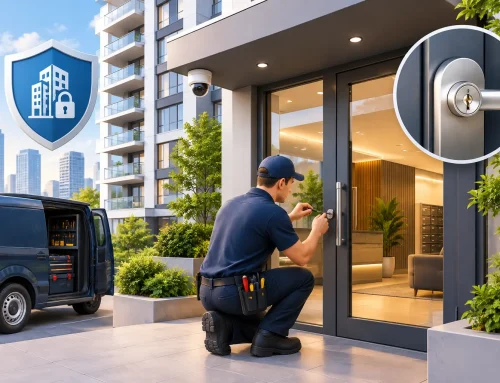
A lockout at 11 pm, a lost set of house keys or a damaged office lock can make anyone want the first locksmith who answers the phone. But before letting someone work on your property, it is fair to ask: are locksmiths licensed in Canberra?
The short answer is that locksmith and security work can be regulated in the ACT, particularly where the work involves installing, repairing or maintaining security equipment. A legitimate operator should be able to clearly explain their credentials, identify themselves and provide the information you need to feel comfortable granting access to your home, vehicle or workplace.
Licensing is not just paperwork. It is one part of knowing who is handling the keys, locks and access points that protect the people and things you care about.
Are locksmiths licensed in Canberra under ACT rules?
In Canberra, security industry activities are regulated by the ACT Government. Depending on the services being performed, a locksmith may need to hold the relevant ACT security licence or work under an appropriately licensed business. This can apply to work involving security equipment, including locks, restricted key systems, electronic access control and other equipment designed to prevent unauthorised access.
The exact licence requirement can depend on the nature of the job and the role of the person carrying it out. For example, cutting a standard spare key is different from installing an access control system for a commercial premises or changing a master key system across a strata building.
That distinction matters because locksmithing now covers far more than traditional mechanical locks. A qualified local locksmith may work with deadlocks, window locks, restricted keys, electronic door hardware, garage remotes, transponder car keys and integrated business access systems. The more security-sensitive the work, the more important it is to confirm that the operator is properly authorised and experienced for that service.
Requirements can change, so if you are arranging significant security work, it is sensible to check the current ACT requirements directly with the relevant government authority. A professional locksmith should not be defensive about that question. They should be ready to explain the qualifications and licensing that apply to their work.
Why licensing matters when you hand over access
A locksmith often receives a level of access that you would not give to a general tradesperson. They may be opening your front door, rekeying every lock after a tenancy change, programming keys for your car or setting up staff access at your business.
Licensing and proper business credentials help create accountability. They are a useful indication that the provider operates within the requirements of the local security industry and can be identified if there is an issue. For homeowners, tenants and drivers, this can provide reassurance during an already stressful situation. For commercial clients, property managers and strata committees, it is also part of meeting a reasonable duty of care around building security.
A licence alone does not automatically make someone skilled, honest or suited to every job. Experience, insurance, clear communication and a well-established local reputation still count. Think of licensing as a baseline check, not the only check.
What to ask before booking a locksmith
You do not need to conduct a full investigation while standing outside in the rain. A few sensible questions can tell you a great deal about the business you are calling.
Ask whether the locksmith holds the relevant ACT licence for the work required, and whether they can show identification when they arrive. If you are booking work for a business, rental property or strata complex, ask for the business details and a written scope of work before the job begins. For a major security upgrade, it is reasonable to ask about insurance, product warranties and the locksmith’s experience with that type of system.
Price is another worthwhile question. Emergency work may involve a call-out fee because a locksmith is travelling to you outside ordinary hours. The price can also vary according to the lock type, vehicle model, replacement parts and whether the job requires programming or new keys. A trustworthy operator should explain the likely charges upfront and let you know if the situation changes once they inspect the job.
Be cautious if a provider refuses to identify themselves, gives an unrealistically low quote that suddenly rises on arrival, or pushes for a full lock replacement without explaining why repair or rekeying is not suitable. These are not automatic proof of wrongdoing, but they are reasons to pause and ask more questions.
A professional should verify your right of access
The security check should work both ways. Before opening a home, car or business, a responsible locksmith should take reasonable steps to establish that you have authority to enter or alter the property.
For a house, that may mean asking for photo identification, proof of address or documentation available once you are inside. For a vehicle, it may involve checking registration or other proof of ownership. For commercial premises, a locksmith may need confirmation from a manager, owner or authorised representative.
This can feel inconvenient when you are locked out, especially late at night. It is also a sign the locksmith takes security seriously. Someone willing to open any door without asking basic questions is not providing the standard of care you should expect.
Licensing is especially relevant for commercial security
Businesses have more moving parts than a single front door key. Staff changes, contractor access, alarmed areas, storerooms, master key systems and sensitive records all create security risks if access is not properly controlled.
A licensed and experienced locksmith can help assess where those risks sit. Sometimes the answer is as simple as rekeying locks after lost keys or a staff departure. In other cases, it may be better to introduce restricted keys, change the master key hierarchy or install electronic access control that records entry and allows credentials to be removed without replacing every lock.
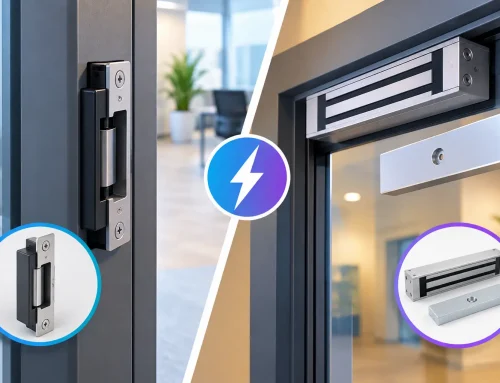
There are trade-offs. Electronic systems give greater control and can suit busy workplaces, but they require appropriate installation, ongoing management and reliable hardware. Mechanical restricted key systems are often simpler and effective, particularly for smaller offices, warehouses and managed properties. The right option depends on who needs access, how often that access changes and what happens if a key or credential is lost.
For property managers and strata professionals, keeping a record of authorised locksmiths can save considerable confusion during urgent call-outs. It also reduces the risk of someone making changes to common-area locks without the correct approval.
Choosing a locksmith in an emergency
When the problem cannot wait, look for calm, practical signs of a genuine service. An established provider should answer with a clear business identity, give a realistic arrival estimate and explain the likely call-out process. They should arrive in a marked vehicle or otherwise be able to identify themselves, assess the issue and use the least destructive method that is safe and appropriate.
Drilling a lock is sometimes necessary, particularly where a lock has failed or security has been compromised. It should not be the automatic first option for every lockout. An experienced locksmith will usually assess whether non-destructive entry, repair or rekeying is possible before recommending replacement.
After a break-in, attempted break-in or lost key incident, do not focus only on getting the door open. Ask whether the lock, strike plate, door frame or key control arrangement now needs attention. Replacing a damaged cylinder without addressing a weak door frame, for example, may leave the same vulnerability in place.
Night & Day Locksmiths has served Canberra since 1979, with licensed, mobile locksmith support for emergency, residential, automotive and commercial security needs. Long-standing local service matters when you need help quickly and want to know who is arriving at your door.
The practical standard to expect
Whether you need one spare key or a full workplace security review, you should expect a locksmith who is properly credentialed for the job, transparent about costs and careful about verifying access. They should explain your options in plain language rather than using urgency to pressure you into unnecessary work.
If you are locked out right now, start with safety: wait in a well-lit place where possible, keep your phone charged and have identification or proof of authority ready for the attending locksmith. A few minutes spent confirming the right provider can protect far more than the lock on the door.