A front door that will not lock, a former tenant who may still hold a key, or a damaged garage remote can turn into a serious tenancy issue quickly. This landlord security responsibilities guide explains the practical steps that help protect tenants, preserve the property and avoid preventable disputes. It is general guidance only, as duties can vary with ACT tenancy requirements, the lease and the condition of the property.
Start with a secure, working property
A landlord’s first responsibility is not necessarily to install the most expensive security system available. It is to provide a property that is reasonably secure and in good working order when a tenancy begins, then to attend to faults that affect safety or security within a reasonable timeframe.
That starts with the basics: external doors should close properly and lock securely; accessible windows should have functioning latches or locks; gates, garages and shared-entry doors should not be left unsecured because of a known fault. A lock can look fine from the outside but still fail because the strike plate is loose, the door is misaligned or the cylinder is worn. Those smaller faults deserve attention before they become an emergency callout.
Security also needs to suit the property. A ground-floor unit with an accessible balcony faces different risks from a house with side gates, a detached garage and several external doors. In an apartment building or strata complex, the common entry system may be managed differently from the locks inside the rented premises. Clarify where responsibility sits rather than assuming someone else will arrange the repair.
Rekey or change locks between tenancies
One of the clearest ways to reset a property’s security is to control who can enter it. At the end of a tenancy, keys may have been copied for family members, cleaners, tradespeople or housemates. Even where every issued key is returned, there is no simple way to know whether duplicates exist.
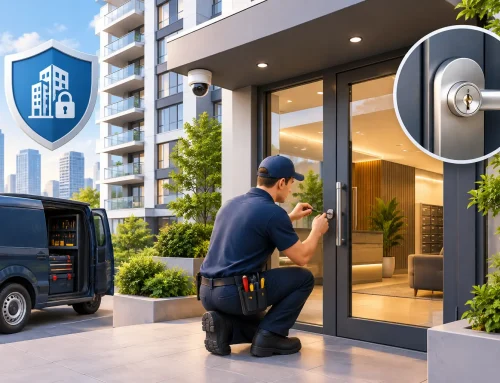
Rekeying allows a locksmith to alter the lock so old keys no longer work. It is often a sensible, cost-effective option when the existing locks are in good condition. Replacing locks may be the better choice where hardware is damaged, outdated or unsuitable for the door. The right approach depends on the lock type, its condition and the level of access risk.
For landlords and property managers handling frequent turnover, this should be a standard part of the exit process, not an afterthought after a new tenant reports a concern. Keep a record of the work completed, the date and the number of keys issued. It creates a clean handover and makes future key management much easier.
Do not overlook remotes, fobs and codes
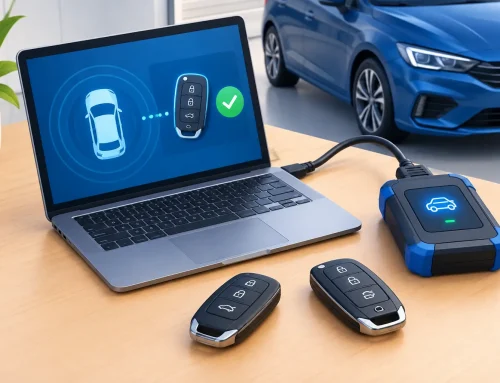
Keys are only one form of access. Collect and account for garage remotes, swipe cards, fobs, mailbox keys, alarm codes and smart-lock credentials. A remote left in circulation can give someone access to a garage or building long after a tenancy ends.
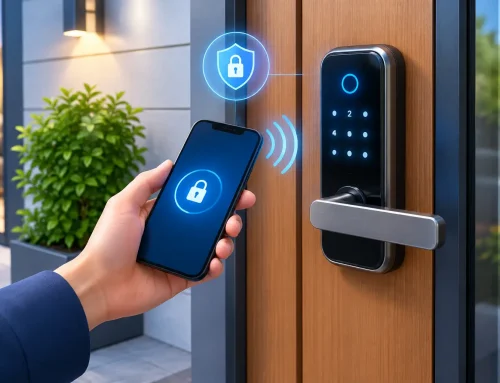
With electronic access, delete former users and change shared codes where appropriate. Before choosing a smart lock, consider who will manage battery changes, user permissions and emergency access if the system loses power or a tenant’s mobile is unavailable. Convenience is useful, but a reliable physical override remains essential.
Respond promptly when security fails
A broken lock is more than routine maintenance when a tenant cannot secure their home. The urgency depends on the circumstances. A stiff internal door can usually be booked in for repair, while a failed front-door deadlock, smashed lock cylinder or door that cannot be locked requires urgent action.
Ask practical questions when a fault is reported: Can the property be secured at all? Has there been a break-in or attempted break-in? Is the tenant inside and unable to lock up, or locked out? Are children, medication, pets or other immediate safety issues involved? Clear information helps determine whether a locksmith needs to attend straight away.
Do not ask a tenant to accept an insecure entry point overnight simply because it is outside business hours. A temporary securing solution may be needed before a permanent repair can be completed. For Canberra property owners and managers, using an established 24/7 locksmith means there is help available when a failed lock cannot wait until morning.
Give proper notice before entering
Landlords have legitimate reasons to enter a rental property for inspections, repairs, valuations or maintenance. But access must be handled lawfully and respectfully. The rules about notice, permitted reasons and entry times are set by tenancy law, so follow the current ACT requirements and the lease rather than relying on informal practice.
Security responsibilities and privacy go together. Retaining a spare key does not give a landlord open access to the property. Limit keys to authorised people, record who holds them and avoid leaving them in unsecured offices, vehicles or lockboxes with widely shared codes.
Emergency access is different. A serious water leak, fire risk or immediate threat to people or property may justify urgent action. Even then, document what happened, why entry was necessary and what work was carried out. Good records protect both landlord and tenant if questions arise later.
Set clear expectations for tenants
A tenancy is most secure when both sides understand their role. Tenants should report damaged locks, lost keys, break-in damage and malfunctioning doors or windows as soon as possible. Delayed reports can make a small repair more costly and leave the property vulnerable.
Tenants also need to take reasonable care with issued keys and access devices. If a key is lost with details that identify the address, rekeying may be the safest response. The question of who pays can depend on the cause, the tenancy agreement and the applicable law. Avoid blanket assumptions. Assess the circumstances, communicate clearly and document the decision.
A landlord should not unreasonably prevent tenants from seeking sensible security improvements, but tenants should not alter locks without the required consent or without ensuring the landlord can access the premises lawfully when needed. This is particularly relevant for deadlocks, smart locks and security screens. Agree on the product, installation standard, key arrangements and what will happen at the end of the tenancy before work starts.
Use hardware that suits the risk
More locks do not automatically mean better security. Poorly installed hardware can fail, and a high-quality deadlock offers limited benefit if the door frame is weak or the sliding door can be lifted from its track. A security assessment should consider the whole opening: door condition, hinges, frame, lock, strike plate, glass nearby and visibility from the street.
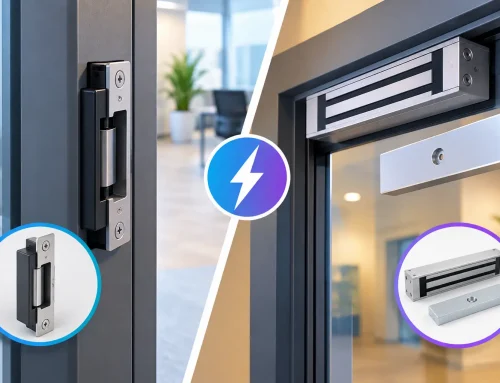
For many rentals, the priority is dependable hardware that tenants can operate easily and that can withstand daily use. Commercial-style restricted key systems may make sense for larger portfolios, shared accommodation, strata areas or properties with regular contractor access. They offer better control over key duplication, but they require disciplined records and an authorised process for issuing keys.
Security screens, window locks, sensor lighting and cameras may also be appropriate, especially where a property has exposed entrances or isolated parking. These additions should be proportionate to the property and installed with privacy in mind. Cameras should not intrude on a tenant’s private use of the home, and any shared-area surveillance needs careful consideration.
Keep a security record, not just a repair invoice
A simple property security register is useful for every rental. It should record lock changes and rekeys, issued keys and remotes, access codes, reported faults, repairs, emergency callouts and any approved tenant alterations. This is particularly valuable when a property changes hands between owners, agents or managers.
At routine inspections, look beyond general wear and tear. Check whether external doors latch cleanly, window locks work, security screens are intact, gate latches close and remotes are accounted for. If the tenant mentions a lock that sticks or a gate that no longer catches, arrange a repair before the issue becomes urgent.
A reliable locksmith can also identify mismatched keys, worn cylinders and weak hardware before they create a lockout or security gap. Night & Day Locksmiths has supported Canberra property owners and managers with lock changes, rekeying and urgent security repairs for decades, including after-hours situations where the property cannot be secured.
Good rental security is built on ordinary decisions made early: maintain working locks, control access carefully, respond fast when security fails and keep accurate records. When a tenant can close the door, lock up confidently and know a genuine fault will be handled properly, the property is safer and the tenancy starts on firmer ground.