An office lockout rarely happens at a convenient time. It might be just before a client meeting, when the first staff member arrives, or late at night when you need to secure the premises. Whether a key has been lost, a lock has failed or an access card is not working, the priority is simple: restore access safely without creating a larger security problem.
For Canberra businesses, a fast response matters, but so does using a locksmith who understands commercial premises. Office doors, restricted key systems, master keys and electronic access controls all require a careful approach. Forcing a door or trying an improvised fix can damage the lock, door frame or security system – and may leave your workplace vulnerable afterwards.
What to do during an office lockout
Start by taking a breath and checking the straightforward possibilities. Confirm that another authorised keyholder is not nearby, that the key has not been left in a bag, vehicle or meeting room, and that an electronic access system has not simply run out of battery or suffered a power issue. If your office is in a larger building, building management or security may also have a documented after-hours access process.
Do not attempt to pick, drill or force the lock yourself. Commercial-grade locks are designed to resist tampering, and a damaged door can be far more expensive to repair than the original callout. A broken lock may also make it difficult to secure the office once you are back inside.
If staff are waiting outside, keep everyone in a safe, visible area and avoid sharing access details in public. This is especially relevant when the office contains client records, devices, stock or confidential files. A lockout is inconvenient, but it should not become an opportunity for unauthorised people to learn about your security arrangements.
When you call a locksmith, be ready to confirm the business name, exact address, type of door and whether you are an authorised employee, tenant, owner or property manager. A professional locksmith will need to verify authority before opening a commercial property. That protects your business as much as it protects the locksmith.
Why office lockouts happen
Lost keys are the obvious cause, but many office lockouts are the result of a small operational issue that has gone unnoticed. A worn key can stop operating a cylinder reliably. A key may snap in the lock after years of use. A door closer can pull a door shut behind someone collecting mail or taking out rubbish. Electronic credentials can be misplaced, deactivated or affected by a flat battery.
Staff changes are another common trigger. Businesses often hold more keys than they realise, especially after several years in the same tenancy. When a departing employee does not return a key, or when an old keyholder is no longer reachable, uncertainty can turn a routine morning into an urgent access issue.
In multi-tenant buildings, the problem may sit between the suite door and the building entry. Your office key may work perfectly, while a common-area fob or swipe card fails. That is why it helps to explain exactly where you are locked out when arranging assistance.
How a commercial locksmith restores access
The right method depends on the lock and the condition of the door. In many cases, a qualified locksmith can gain entry using non-destructive techniques, preserving the existing lock and allowing the business to continue with minimal interruption. This is generally the preferred outcome where the keys are temporarily unavailable and there is no concern that they have been stolen.
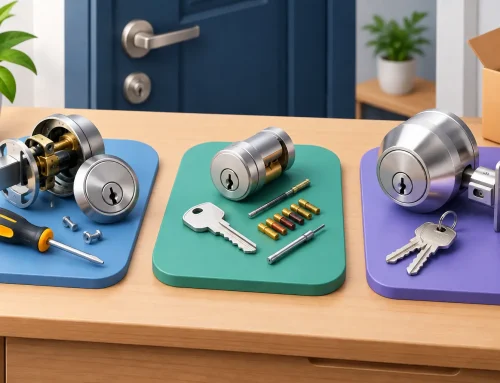
Sometimes the lock has failed internally, the key is broken or there is a security concern requiring the lock to be changed. In those situations, the locksmith may repair the mechanism, replace the cylinder, rekey the lock or install a new lock suited to the door and level of security required.
Rekeying is often a practical option after lost keys or staff turnover. It changes the internal configuration of an existing compatible lock so old keys no longer work, while avoiding the cost of replacing every piece of door hardware. It depends on the condition and type of lock, but it can be an efficient way to regain control of access.
For businesses with several rooms, sites or authorised users, a master key system can reduce the number of keys staff carry while maintaining sensible access levels. For example, a manager may have access to all offices, while individual employees can only enter their own work area. Restricted key systems add another layer of control by limiting who can have copies cut.
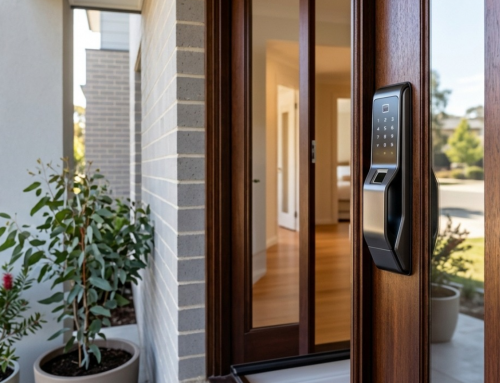
Electronic access systems can also be assessed after a lockout. A failed card reader does not always mean the entire system needs replacement. The issue may be a credential, programming setting, battery backup or door hardware fault. An experienced commercial locksmith can help identify whether the best answer is a repair, an upgrade or a more suitable access arrangement.
When the lockout reveals a security issue
A missing key is not just an access problem. If the key was lost with an address, business identification, staff pass or anything that points to your premises, treat it as a security risk. The same applies if a former employee has not returned keys or if you cannot account for who may have copies.
In these cases, getting back inside is only the first step. Ask whether rekeying or changing locks is appropriate, and review any key register your business keeps. It is much easier to make a considered decision immediately than to deal with a break-in or unauthorised entry later.
Consider the areas the key opened. A single key may provide access to the main office, storage room, server cupboard or filing area. If it forms part of a master key system, changing one lock without considering the wider system can create confusion and extra expense. A locksmith can explain the options before work begins, including the trade-off between a quick short-term fix and a more complete security reset.
Preventing the next office lockout
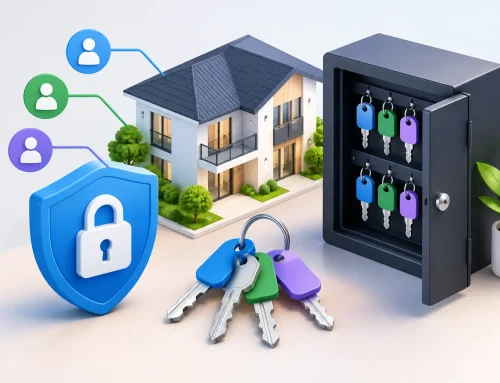
Prevention does not need to be complicated, but it does need to be deliberate. Keep an up-to-date record of issued keys, fobs and access cards, including who holds them and when they are returned. This is particularly useful for property managers, strata managers and businesses with casual staff or contractors.
A secure spare-key plan is also worthwhile. Leaving a key under a mat, in a pot plant or taped beneath a desk is not a plan. Instead, nominate authorised keyholders, use a properly secured key safe where appropriate, or keep a controlled spare with a trusted local manager. The best arrangement depends on your business hours, location and the sensitivity of the premises.
Review door hardware before it fails. Stiff locks, keys that need jiggling, loose handles and doors that do not latch properly are early warnings. Addressing them during business hours usually costs less and causes less disruption than waiting for an emergency. It also gives you time to choose hardware that suits the door, fire requirements and daily traffic.
For offices with frequent staff movement, restricted keys or electronic credentials can provide better oversight than standard duplicated keys. They are not automatically the right choice for every small business, as there is an upfront cost and an ongoing need to manage users. However, they can greatly reduce uncertainty about who has access and make changes quicker when staff roles change.
Choosing help when access cannot wait
During a lockout, it is tempting to choose the first number that appears in a search. Take a moment to look for a fully licensed, established locksmith with genuine commercial experience and clear communication about the work required. You need someone who can open the door professionally, then advise on the security consequences if keys are missing or hardware has failed.
Night & Day Locksmiths has supported Canberra businesses with emergency lockout assistance and commercial security work since 1979. A mobile locksmith can attend, verify authority, assess the door and work towards the least disruptive solution available.
An office lockout may stop the day briefly, but it does not need to compromise your premises or your peace of mind. Keep the immediate response calm, protect your access information and use the incident as a prompt to put better key control in place.