A front door lock that sticks at 10 pm, a shop key that suddenly turns without catching, or a car key that will not start the ignition can quickly become more than an inconvenience. Lock repairs are often the fastest way to restore access and security, but a repair is not always the right answer. The condition of the lock, the reason it failed and who may have keys all matter.
For Canberra homes, businesses, rental properties and vehicles, the sensible decision is usually simple once the fault has been properly assessed. A qualified locksmith can identify whether the existing hardware can be safely repaired, whether the lock should be rekeyed, or whether replacement will provide better protection.
What causes a lock to fail?
Locks are mechanical devices, and daily use eventually takes its toll. Dirt, dust and worn internal components can make a key hard to insert or turn. Exterior locks also contend with weather, while a door that has dropped or shifted can place extra pressure on the latch and cylinder every time it is used.
In many cases, the apparent lock problem is actually a door alignment problem. If you need to lift, pull or push the door before the key will turn, the bolt may be binding against the strike plate. Repeatedly forcing the key can damage the cylinder, snap the key or turn a minor adjustment into a more expensive repair.
Other common causes include a bent or worn key, a loose handle or escutcheon, damaged internal springs, attempted forced entry, and poor-quality hardware that has reached the end of its useful life. On commercial sites, high traffic can accelerate wear considerably, particularly on storerooms, staff entrances and shared facilities.
When lock repairs are the sensible option
Repair is often worthwhile when the lock body and door are sound, but one component has worn, loosened or fallen out of adjustment. A locksmith may be able to service the cylinder, replace a damaged latch or spring, realign the strike plate, tighten fittings, or remove a broken key without replacing every part of the locking system.
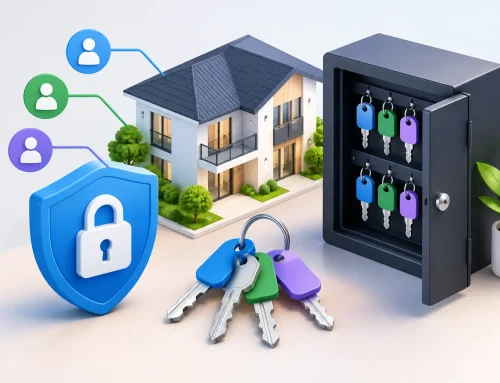
This can be a practical choice when the lock is a quality product, matches other doors in the property, or is part of an existing master key system. Replacing one lock without considering the wider keying arrangement can create unnecessary inconvenience for homeowners, managers and staff.
A repair should restore both reliable operation and appropriate security. If a lock can be made to work but remains easy to bypass, has visible damage from an attempted break-in, or no longer meets the needs of the property, repairing it simply delays the real solution. The cheapest option on the day is not always the best value over the life of the lock.
Signs you should arrange a locksmith visit soon
Do not wait for a complete failure if a lock is becoming difficult to use. Warning signs include a key that catches or needs jiggling, a handle that feels loose, a deadlock that will not throw smoothly, a latch that does not retract properly, or a cylinder that turns but does not operate the lock.
A key that has started to bend is another clear warning. Continuing to use it risks breaking it inside the lock, often at the least convenient time. Having a correctly cut replacement key and the lock checked early is usually far easier than dealing with an after-hours lockout.
Repair, rekeying and replacement are different jobs
These services are often confused, yet each solves a different problem.
Lock repair addresses a fault with the mechanism or its installation. It is about making the lock work correctly again.
Rekeying changes the internal configuration of a compatible lock so old keys no longer operate it. The external lock hardware can stay in place, but a new key is required. Rekeying is particularly useful after moving into a home, changing tenants, losing keys or ending an employee’s access. You may not know how many copies of an old key are in circulation.
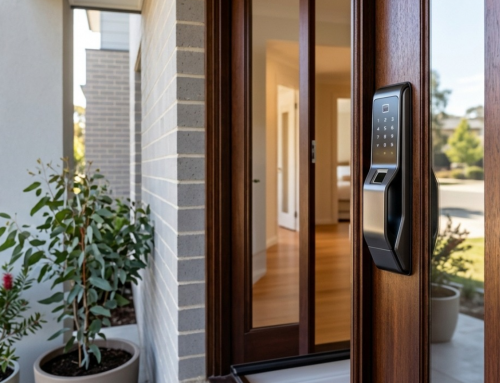
Lock replacement involves fitting new hardware. This is usually the better option where a lock is badly damaged, outdated, unsuitable for the door, or does not provide the level of security required. It can also be an opportunity to move to a more suitable deadlock, restricted key system, electronic access solution or a lock that better suits the way the property is used.
For a rental property, the decision may involve both maintenance and key control. For a business, it can affect staff access, insurance expectations and the ability to secure sensitive areas. A locksmith should explain the options plainly, including what will happen to existing keys and whether other doors will be affected.
Avoid making the problem worse
It is tempting to use household oil, force a key or dismantle a lock when it starts playing up. Those approaches often create more damage. General-purpose lubricants can attract grime inside a cylinder, while excessive force may break a key or damage the door furniture.
If a key is stuck, stop turning it. Keep the door in the position that places the least pressure on the lock, such as gently pushing or pulling it rather than leaning your weight against it. If you are locked out, resist damaging the door, glass or frame to get inside. The cost and security consequences can be far greater than a professional entry service.
For a vehicle, do not attempt to force the ignition or use improvised tools in a modern car door. Transponder keys, remote fobs and ignition systems require the right diagnostic knowledge and equipment. What looks like a simple key fault may involve the key blade, remote battery, transponder programming or ignition barrel.
Lock repairs for homes and businesses
At home, priority is usually dependable entry and confidence that the property is properly secured. A locksmith will assess the door, frame, lock type and key control, rather than treating the cylinder in isolation. For example, a good deadlock will not perform as intended if the strike plate is loose or the frame is damaged.
Business lock repairs require a broader view. A faulty rear door, office suite or roller-door lock can affect staff safety, stock protection and operations. Where several people need access, a one-off repair may need to sit within a master key plan. Restricted keys can also provide better control over who is authorised to make copies.
Fire and emergency exit doors need particular care. Their locking hardware must allow safe egress while protecting the premises from unauthorised entry. Changes should be assessed and completed by professionals who understand the door’s purpose, not improvised after a fault.
Property managers and strata representatives also benefit from documenting repairs, rekeys and issued keys. Clear records reduce disputes, help maintain security between tenancies and make future maintenance more efficient.
Choosing a locksmith for urgent repairs
When a lock fails after hours, people understandably want the first available help. It is still worth choosing a fully licensed, established locksmith who can diagnose the issue before recommending work. Ask for clear advice on whether repair, rekeying or replacement is required, and confirm what is included in the work.
A local mobile locksmith with genuine 24/7 availability can make a real difference when a home, business or vehicle cannot be secured. Night & Day Locksmiths has supported Canberra customers since 1979, combining emergency response with the experience to look beyond the immediate fault and recommend a practical security outcome.
The best time to act is when a lock first becomes unreliable, not after it leaves you outside in the rain or unable to secure the premises. A prompt inspection can protect the door, avoid a broken key and give you a clear answer about the repair your property actually needs.