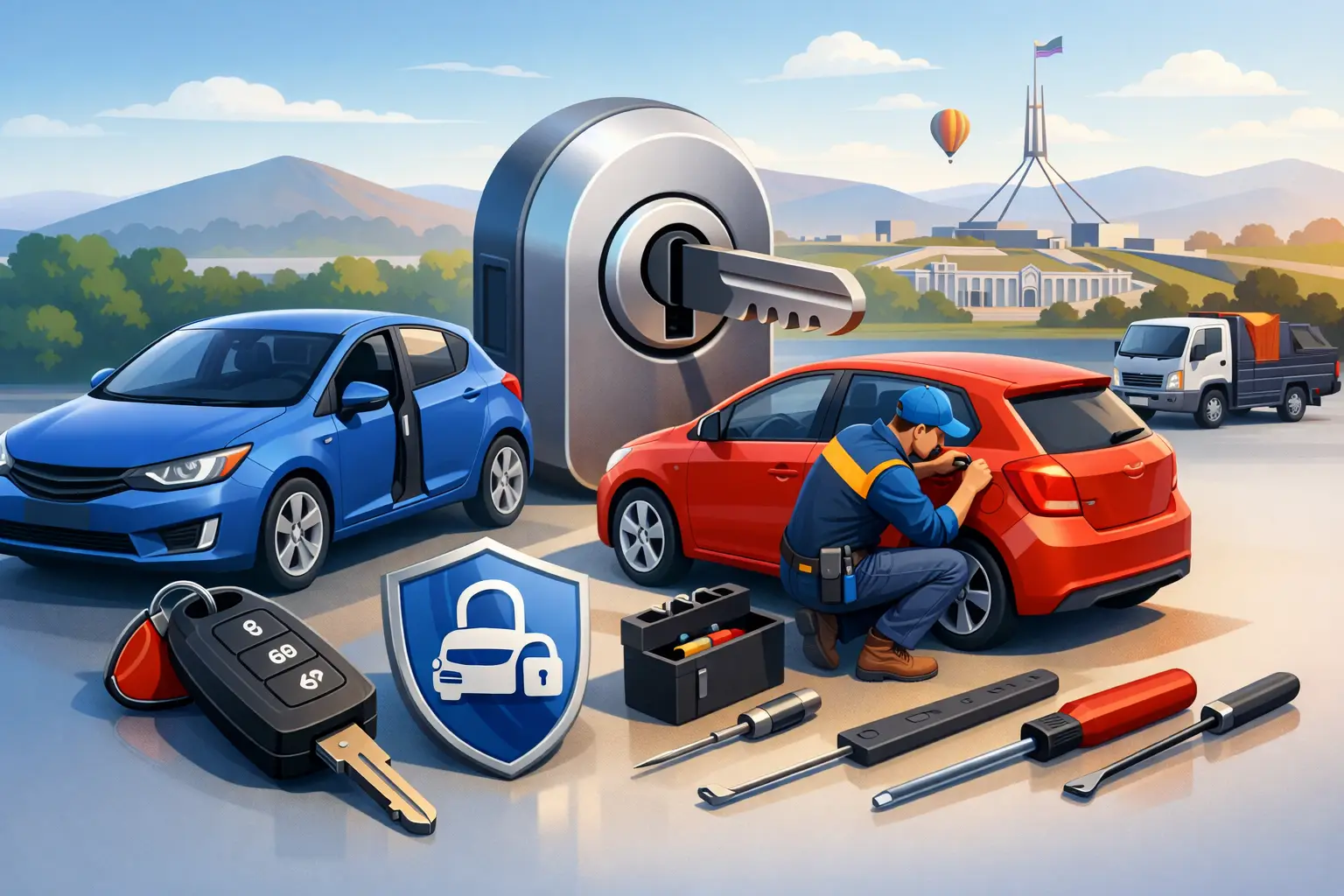
A key left on the front seat while the doors lock, a remote that suddenly stops working in a supermarket car park, or an ignition that will not turn before work can derail the whole day. An automotive locksmith can resolve many of these problems on site, often without the cost, delay or towing associated with other options.
For Canberra drivers, the right response depends on the vehicle, the fault and where you are stranded. Modern vehicle keys are part mechanical key, part electronic security device. That means a quick fix is not always the safest fix, especially when a transponder, remote or ignition is involved.
What an automotive locksmith can help with
Automotive locksmith work covers far more than opening a locked car. A properly equipped mobile locksmith can assess the vehicle, gain entry without unnecessary damage, cut and program replacement keys, and diagnose common lock and ignition faults.
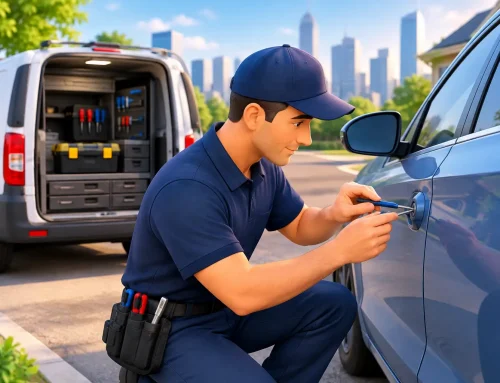
A lockout is the most familiar callout. Keys may be visible inside the cabin, lodged in the boot or misplaced altogether. Professional entry methods are designed to protect the door frame, window seals, locks and central locking system. Forcing a door, using improvised tools or trying to prise a window open can turn a straightforward callout into an expensive repair.
Lost and damaged keys are another common reason to call. Depending on the make, model and year, a replacement may be a standard metal key, a remote key, a transponder key or a proximity fob. Many later-model vehicles require programming so the car recognises the new key. Cutting the blade alone may open the door but will not necessarily start the engine.
An automotive locksmith may also assist when a key is snapped in the lock or ignition, the remote casing is broken, buttons have worn out, or the key no longer communicates reliably with the vehicle. In these cases, the best solution is not always a full replacement. Sometimes the key can be repaired, recased or reprogrammed. The sensible option comes down to the condition of the key, the vehicle’s security system and the availability of compatible parts.
Car lockouts need a calm, damage-free response
Being locked out feels urgent, particularly in bad weather, at night or when children, pets or essential items are inside. Take a breath before deciding what to do. Check every door and the boot only if it is safe to do so, and look for a spare key with a family member, housemate or workplace contact.
If you cannot regain access, avoid forcing the lock or breaking a window. Apart from the risk of injury, modern doors contain wiring, side-impact systems, sensors and delicate weather seals. What looks like a simple gap around a door can conceal components that are costly to replace.
A reputable locksmith will first confirm that you are authorised to access the vehicle. Have photo identification and registration details ready where possible. This protects vehicle owners and helps the technician get to work promptly once they arrive.
For an emergency callout, clear information makes a real difference. Provide the vehicle make, model, year, exact location and a brief description of the issue. Let the locksmith know if keys are inside, missing, broken or if the vehicle has a smart key system. If you are in an unsafe location, move away from traffic where possible and contact emergency services if there is immediate danger.
Lost keys and transponder key replacement
A lost car key creates two separate problems: getting a working key back in your hand and protecting the vehicle from the missing one. With older vehicles, cutting a replacement from the lock code or an existing key may be relatively straightforward. Newer vehicles often need the replacement key programmed to the immobiliser.
A transponder key contains a small chip that sends an identification signal to the car. When the correct signal is not detected, the engine may crank but not start, or the vehicle may not respond at all. Remote and proximity keys add more functions, including central locking and push-button start, so they can require more specialised equipment and programming.
Where keys have been stolen rather than simply misplaced, ask about removing the old key from the vehicle’s memory where this is possible. A new key solves the access issue, but deleting the missing key’s authorisation can be an important security step. The options vary by vehicle, so a locksmith should explain what can be done before work begins.
It is worth having a spare key made while one working key remains available. This is usually simpler than starting from no key at all, and it gives you a practical backup before an urgent situation arises. Keep the spare somewhere secure, not hidden inside the vehicle or attached to the same keyring.
When the ignition or door lock is the real problem
Not every no-start issue is caused by the key. If the key turns but the car will not start, the fault could involve the battery, starter motor, immobiliser, ignition switch or another mechanical or electrical component. A locksmith can assess key, lock and ignition-related causes, but should be clear about when an auto electrician or mechanic is the better next step.
Signs of an ignition or lock problem include a key that is difficult to insert, a key that will not turn, a barrel that feels loose, or a key that must be wiggled into a particular position. Do not keep applying force. A worn key can damage a worn ignition barrel, and a broken key in the ignition adds another issue to resolve.
Ignition repairs and replacements can involve removing damaged components, supplying a compatible barrel and ensuring the new setup works with the vehicle’s existing keys or immobiliser. The right repair depends on whether the fault is mechanical, electronic or both. A qualified automotive locksmith will explain the likely work and costs before proceeding, rather than treating every problem as a full ignition replacement.
Choosing the right automotive locksmith
When you are stranded, the first available number can be tempting. It is still worth checking who is coming to your vehicle. Look for an established local business that offers genuine emergency availability, clear communication and experience with your type of vehicle.
Ask whether the locksmith can handle your make and model, especially if it uses a transponder, remote or smart key. Confirm that they provide mobile service, request an indication of callout and replacement costs, and ask what identification or proof of ownership will be needed. The final cost can depend on the key type, programming requirements, travel distance and whether the job occurs after hours, so an honest explanation matters more than a vague promise.
Licences, insurance and a track record of local service are also worth considering. A vehicle key is a security credential, not just a piece of metal. You should feel confident that the person handling it follows proper verification procedures and treats your car with care.
Night & Day Locksmiths has supported Canberra drivers with mobile locksmith assistance since 1979, combining emergency response with the specialist equipment needed for many vehicle key and lock issues. For customers, that experience means practical advice as well as a fast response when the situation cannot wait.
A little preparation saves a difficult day
Vehicle key trouble cannot always be prevented, but a few habits reduce the odds of a stressful callout. Replace a cracked remote case before moisture reaches the electronics. Change the remote battery when its range becomes noticeably poor. Keep keys away from water, avoid heavy keyrings that can wear an ignition over time, and arrange a spare before your only working key becomes unreliable.
If you buy a used vehicle, find out how many keys are active and whether any previous keys could still operate it. If there is uncertainty, having the vehicle’s key system checked and new keys programmed can offer useful peace of mind.
The most helpful choice in a vehicle key emergency is usually the least dramatic one: protect yourself, avoid damaging the car and call a trusted professional who can diagnose the actual problem. A prompt, properly handled repair gets you back on the road and helps keep the next trip from being interrupted by the same issue.