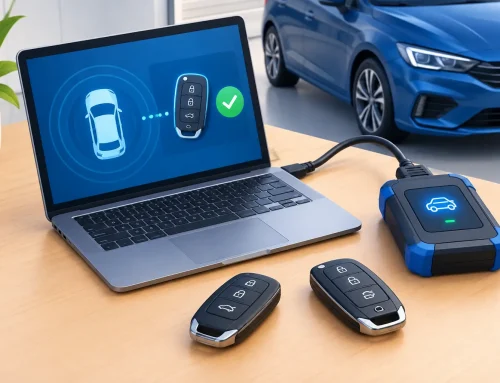
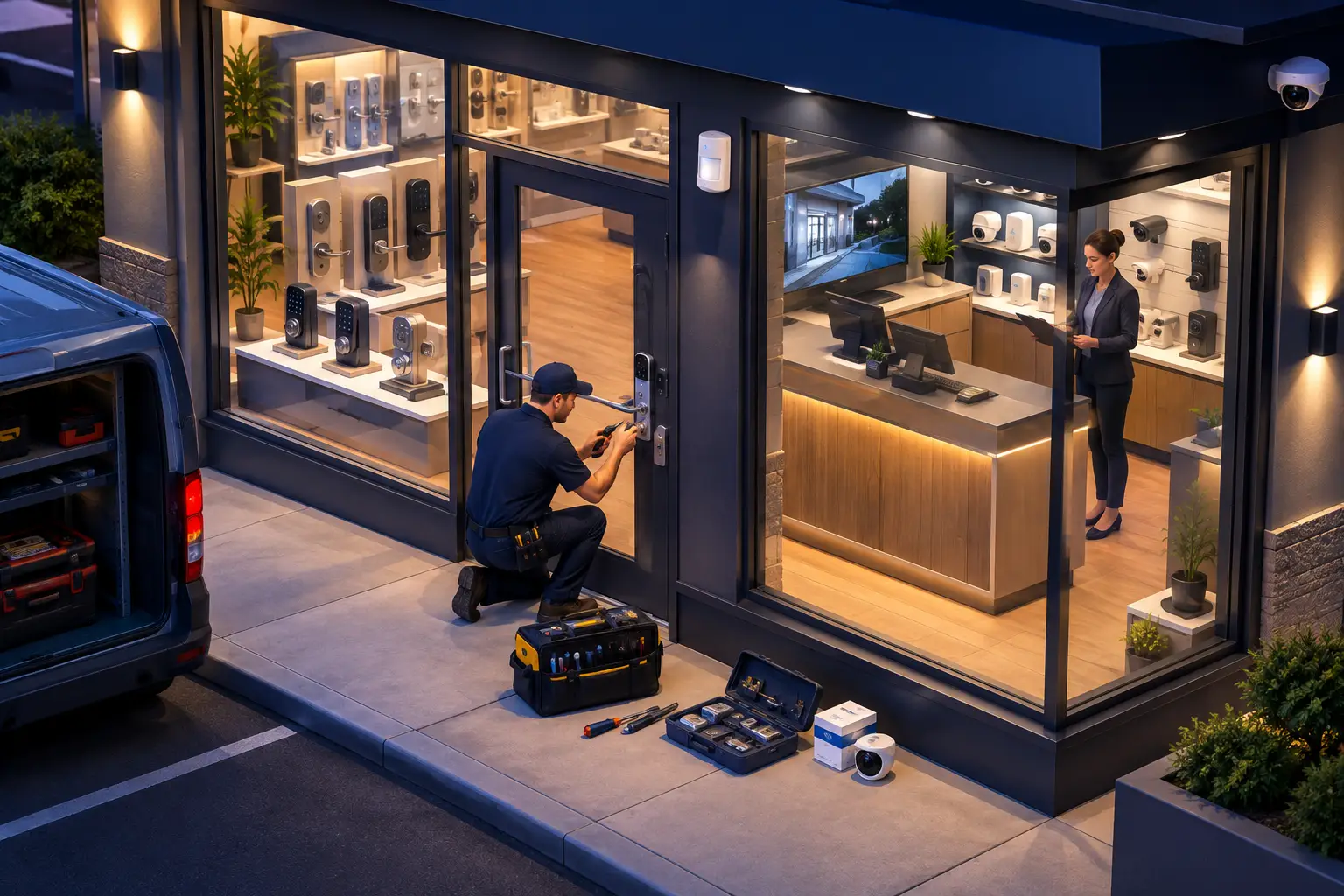
A break-in leaves more than a damaged lock. It can disrupt trading, unsettle staff and make you question every entry point in the building. A retail burglary lock upgrade should deal with the immediate damage, but it should also close the weakness that allowed access in the first place.
For a shop, showroom, café, pharmacy or small warehouse, the right response is rarely just fitting the same lock again. The door, frame, key control and after-hours access arrangements all need to be considered together. A fully licensed commercial locksmith can assess the damage on site and recommend security changes that suit how your premises actually operates.
Start with the entry point that failed
Burglars commonly attack the quickest point of entry, not necessarily the front door. That may be a rear service door, roller shutter, side gate, fire exit or a door concealed from the street. Before replacing hardware, establish how access was gained. Was the cylinder snapped, drilled or pulled? Was the lock forced, or did the strike plate tear away from a weak frame? Was a key stolen, copied or left accessible?
This matters because a high-security cylinder will not solve a door-frame failure. Equally, a heavy-duty lock is of limited value if an ex-employee still holds a working key. Good security work identifies the whole chain of failure rather than treating the visible damage alone.
Take clear photos before repairs begin, keep damaged parts where practical and report the incident to police. Your insurer may also need evidence of the damage and details of the replacement work. If the premises cannot be secured immediately, temporary boarding or emergency lock repairs may be needed before a more considered upgrade is installed.
Retail burglary lock upgrade priorities
The first priority is restoring secure access without delaying your business longer than necessary. The second is choosing hardware that makes a repeat attempt slower, noisier and less likely to succeed. In many cases, this means improving several connected components rather than replacing one cylinder.
Upgrade the lock, door and strike together
Commercial-grade deadlocks, mortice locks and high-security cylinders provide stronger resistance than basic hardware, but they must be compatible with the door type. Aluminium shopfront doors, solid timber doors, steel security doors and roller shutters each need an appropriate solution.
Pay close attention to the strike plate and fixings. A lock may be sound, yet the frame can split or the strike can be levered free if it is secured with short screws or fitted to deteriorated timber. Reinforced strike plates, longer structural fixings and door-frame repairs can make a meaningful difference.
For outward-opening doors, exposed hinges and gaps around the door leaf also deserve attention. Hinge bolts, security hinge arrangements and correctly adjusted door closers can reduce opportunities to force or lift a door. These are practical details, but they are often where a burglary attempt succeeds or fails.
Replace compromised keys, not just damaged locks
If keys were stolen, lost during the incident or may have been copied by a former staff member, rekeying or changing the locks should be part of the response. Rekeying can be a cost-effective option when the existing lock hardware is suitable and in good condition. It changes the internal pinning so old keys no longer work.
A full lock replacement is usually the better choice when hardware has been attacked, is worn, is low grade or does not meet the business’s security needs. The right decision depends on the condition of the lock, the type of door and the level of risk at the site.
Restricted key systems are particularly useful for retail premises with several keyholders. Unlike ordinary keys that can often be copied at a general key cutter, restricted keys are controlled through an authorised system. That gives business owners a clearer record of who can request duplicates and reduces the chance of unapproved copies circulating.
Review every keyholder and access route
After a break-in, it is sensible to review access beyond the affected door. Consider current staff, former staff, cleaners, contractors, delivery drivers, centre management and anyone holding a master key. A key register is a simple measure that helps establish who has access, when keys were issued and when they were returned.
For businesses with multiple doors, a master key system can provide controlled convenience. Staff can access only the areas they need, while managers retain access to a wider range of doors. The design needs care. Too much convenience can create unnecessary exposure, so access should follow each person’s role rather than habit.
When electronic access control makes sense
Electronic access control can be a sensible retail burglary lock upgrade where keys regularly change hands or staff turnover is high. Cards, fobs, PINs and mobile credentials can be removed from the system when someone leaves, without rekeying every affected door.
It also creates more accountability than a shared key ring. Depending on the system, a business may be able to see when authorised credentials were used and set access times for staff or contractors. This can be useful for back-of-house doors, stock rooms, offices and premises with separate tenancies.
However, electronic access control is not automatically the right answer for every small shop. It needs reliable installation, suitable door hardware and a plan for power, emergency egress and ongoing administration. A single rear door may be better protected with a quality mechanical lock and restricted key system, while a larger site with frequent staff changes may benefit from electronic credentials.
Do not overlook roller shutters and rear doors
Roller shutters can create a false sense of security when their locking points are weak or easily reached. Depending on the shutter design, additional locking, improved guide protection or a more secure operating arrangement may be appropriate. The installation should not interfere with safe operation, fire requirements or access needed for emergency services.
Rear doors deserve the same standard of protection as the shopfront, even if customers never see them. They are often less visible after hours and may be approached from service lanes, car parks or shared loading areas. Adequate lighting, clear sightlines and a functioning alarm can support better locks by increasing the chance that an attempt is noticed.
Security measures work best in layers. Strong locks delay entry, a properly secured frame resists force, lighting improves visibility and an alarm or monitored system provides a response. No individual product guarantees that a determined offender cannot get in, but sensible layers can reduce opportunity and limit damage.
Avoid the quick fixes that create another weak point
After an incident, it is understandable to choose the fastest available repair. The problem is that a cheap replacement lock, poorly fitted hardware or an unmanaged spare key can leave the premises vulnerable again within days. Emergency work should secure the building first, then be followed by a clear plan for permanent repairs if required.
Avoid fitting hardware that makes emergency exit difficult. Retail premises must allow people to leave safely, and fire doors must retain their required function. Security upgrades should be selected and installed with those obligations in mind, not added in a way that compromises them.
It is also worth checking neighbouring tenancy access, shared corridors and landlord responsibilities before work begins. In a shopping complex or strata building, the door itself may be your responsibility while the frame, common area or external security arrangements are managed by another party. Clear communication avoids delays and ensures the upgrade addresses the correct area.
Choosing a locksmith after a retail break-in
A burglary response is not the time to gamble on unknown workmanship. Choose an established, fully licensed locksmith that can attend urgently, secure the site and explain your options without pushing unnecessary products. Ask what failed, what needs immediate repair and what can be planned as a second-stage improvement.
For Canberra businesses, Night & Day Locksmiths can provide emergency commercial locksmith support as well as practical advice on lock changes, restricted key systems, master keying and broader access upgrades. The aim is to get your premises secure and help you return to normal trading with confidence.
A burglary is frustrating, costly and personal, but it can also be the point at which an outdated access arrangement is properly fixed. Start with the failed entry point, take control of every key and make each security decision fit the way your business operates after hours.