
A lost set of keys, a break-up, a faulty deadlock or signs that someone has entered without permission can make a rental feel unsafe very quickly. Can tenants change locks in these situations? Often, yes, but the right answer depends on the tenancy agreement, the reason for the change and whether the landlord or property manager still has proper access.
For Canberra renters, the safest approach is to act quickly where security is at risk, communicate clearly, and make sure any lock work is completed properly. Changing a lock without thinking through keys, approvals and your responsibility at the end of the lease can create an avoidable dispute.
Can tenants change locks in an ACT rental?
In the ACT, tenants are generally entitled to reasonable security and quiet enjoyment of their home. If there is a genuine security concern, changing or rekeying a lock may be necessary. However, a tenant should not assume they can permanently alter the property without consulting the landlord or managing agent.
Your lease agreement may include conditions about locks, keys and alterations. It may require written consent before a lock is replaced, particularly if the work changes the door, frame, hardware or security system. Even where consent is not an issue, the owner or agent will usually need an updated key so they can meet their lawful access and maintenance obligations.
The practical distinction matters. Rekeying an existing lock often restores security without changing the visible hardware. Replacing a lock may be the better option when it is damaged, worn out or not suitable for the door, but it can involve a larger change to the property.
If you are unsure, put your request in writing. Explain what has happened, why the property needs to be secured and whether you are proposing a rekey or full lock replacement. Keep copies of emails, photos and invoices.
When changing the lock is the sensible response
Not every key issue needs a new lock. If you have simply misplaced one key and it has no identifying information, key cutting may be enough. But there are situations where a rekey or replacement is the sensible security decision.
A lock change should be considered after keys are stolen, keys are lost with an address or identifying tag, a relationship ends and key access is uncertain, or there has been a break-in or attempted break-in. It may also be needed when a lock is sticking, loose, damaged or no longer latches securely.
Where the immediate risk is high, do not leave a door unsecured while waiting for a routine reply. Contact the property manager, document the problem and arrange urgent help if required. A licensed locksmith can assess the lock, secure the entry and explain whether rekeying or replacement is the most economical option.
For an emergency such as a forced entry, contact police first if there is an immediate threat or evidence that a crime has occurred. Once the property is safe to enter, the door and locks can be repaired or secured.
Rekeying versus replacing a lock
Rekeying means changing the internal combination of a compatible lock cylinder so the old keys no longer work. It is commonly quicker and less disruptive than replacing the whole lock, and it can be a good solution when the existing hardware is in sound condition.
Replacing a lock involves fitting new hardware. This is appropriate if the lock is damaged, poor quality, obsolete or unsuitable for the property. A replacement should be compatible with the door, strike plate and any existing fire, security or strata requirements.
Neither option should reduce the property’s security or leave damage behind. Avoid fitting an unsuitable lock from a hardware store, drilling extra holes without approval, or removing a lock that forms part of a compliant entry setup. A cheap fix can become an expensive repair at the end of a tenancy.
Tell the landlord or agent and arrange key access
A tenant’s right to feel secure does not usually remove the owner’s legal right to access the property with proper notice and for legitimate reasons. If locks are changed, provide the property manager or landlord with the necessary keys as soon as reasonably possible, unless there is a specific legal or safety reason not to do so.
Do not hand keys directly to a former partner, previous occupant or anyone else claiming they have a right to enter. The property manager is the correct point of contact for tenancy access. If there is family violence, stalking, threats or another serious safety concern, seek advice from police and an appropriate tenancy or support service before providing information that could put you at risk.
Clear communication protects everyone. Let the agent know the date of the work, what was done, how many keys were supplied and whether any further repair is needed. Ask for written confirmation that they have received the new key.
Who pays for a lock change?
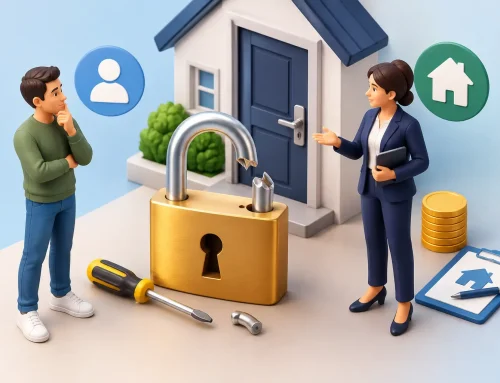
Responsibility usually comes down to why the lock work was needed. If a lock fails through age, normal wear or a property defect, the landlord will commonly be responsible for repair or replacement. If a tenant loses keys, damages the lock or chooses an upgrade for personal preference, the tenant may need to pay.
Security situations can be less straightforward. For example, a tenant may reasonably need urgent rekeying after a stolen handbag contains keys and an address. The property manager may agree it is a necessary security expense, but do not assume reimbursement without discussing it.
If you pay for urgent work yourself, retain the itemised invoice and any photos of damage. This is particularly useful if there is later discussion about costs, bond deductions or insurance.
Avoid common lock-change mistakes
The biggest mistake is treating a rental lock as though it is entirely separate from the tenancy agreement. It is your home, but it is also someone else’s property, and changes need to be managed properly.
Do not change a lock then withhold keys from the managing agent without a clear safety or legal basis. Do not give every occupant different, unrecorded copies of keys. And do not leave spare keys hidden in obvious spots such as a letterbox, pot plant or meter box.
If you share the property, agree on who holds keys and how many copies are made. At the end of the tenancy, return every key, fob, garage remote and access card. Missing access devices can lead to replacement charges, especially where a building uses restricted keys or electronic entry.
What if you are locked out?
Being locked out is different from needing to change locks. If your keys are inside and there is no security concern, a locksmith may be able to gain entry without replacing the lock. You may need to show identification or evidence that you live at the address before work begins.
If keys have been lost or stolen, tell the locksmith before they attend. That helps them recommend the right response rather than simply opening the door and leaving an old key still capable of accessing the property.
Choosing a locksmith for a rental property
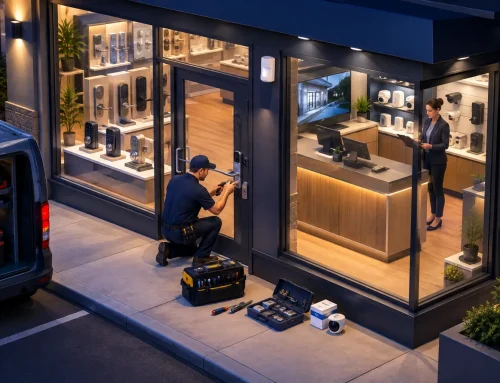
For rental work, use an established, fully licensed locksmith who can explain the scope of work, provide an invoice and supply the correct number of keys. This is not just about getting back inside. Proper fitting protects the door, maintains security and gives you a clear record for the property manager.
For Canberra tenants facing a lockout, break-in or urgent lock problem, Night & Day Locksmiths provides mobile, 24/7 assistance and can help assess whether rekeying, repair or replacement is appropriate. A calm, professional response makes a stressful situation easier to manage.
The best next step is usually simple: secure the property, notify the right person in writing and keep a record of every key and every decision. That way, you protect your home now without creating problems when it is time to move on.