A lockout rarely happens at a convenient time. It may be late at night, during a school run, outside your workplace, or when you are trying to secure a property after a break-in. This emergency locksmith safety guide sets out the calm, practical steps to take first, how to protect yourself while waiting, and how to make sure the person working on your lock is qualified and trustworthy.
Start with your immediate safety
Before focusing on the door, keys or vehicle, take a moment to assess where you are. If you are locked out at night, move to a well-lit area where other people are nearby. Stand away from the road, avoid isolated car parks where possible, and call a friend, family member or neighbour if you feel unsafe waiting alone.
For a home lockout, check whether another safe and authorised way into the property is available, such as a spare key held by a trusted person. Do not force a window, climb onto a roof, or try to enter through an unsecured opening. Falls, broken glass and damage to doors often turn a straightforward locksmith callout into a larger and more expensive problem.
If someone has attempted to enter your home or business, or you see signs of forced entry, do not disturb the area more than necessary. If there is an immediate threat or you believe an intruder may still be inside, call emergency services first. Your safety comes before protecting the lock or preserving property.
Emergency locksmith safety guide for lockouts
A professional locksmith will generally ask for details that help them respond safely and bring the right equipment. Be ready to explain whether it is a house, unit, commercial premises or vehicle, your general location, the type of lock or key involved, and whether there is any urgent risk such as a child locked inside, a vulnerable person needing access, or a vehicle stranded in an unsafe spot.
You should also expect to show proof that you are entitled to access the property or vehicle. This may be photo identification with your address, a tenancy agreement, registration documents, or confirmation from a property manager. If your identification is inside the locked property, explain that when booking. A responsible locksmith can discuss sensible ways to verify authority once access has been gained.
Be cautious of anyone who promises a price before asking basic questions, refuses to identify their business, or insists every lock must be drilled immediately. Sometimes a damaged or high-security lock does need replacement, but drilling should be a last resort where non-destructive entry is not possible. An experienced locksmith will explain the likely options and costs before work begins.
What not to do while you wait
Avoid online videos that recommend using wire, cards, screwdrivers or improvised tools to bypass a lock. These methods can damage the lock, door frame, weather seals or vehicle, and they may trigger alarms. Modern vehicles are particularly easy to damage around the window, door wiring and airbag systems.
Do not leave children, pets or vulnerable people waiting in a locked vehicle. Heat can build quickly even on a mild Canberra day. Call emergency services if there is any sign of distress, then arrange locksmith assistance as appropriate. In a genuine life-threatening situation, emergency responders should be your first call.
Choosing a locksmith you can trust
An emergency creates pressure, which is why it helps to know what trustworthy service looks like. Look for an established, fully licensed locksmith that gives a clear business name, can provide a realistic arrival estimate, and is willing to discuss callout and labour charges before attending.
Local experience matters. A locksmith who regularly works across Canberra will understand the common lock types found in houses, apartments, strata buildings, offices and vehicles in the area. They are also more likely to have the right stock and specialised tools available rather than relying on a one-size-fits-all approach.
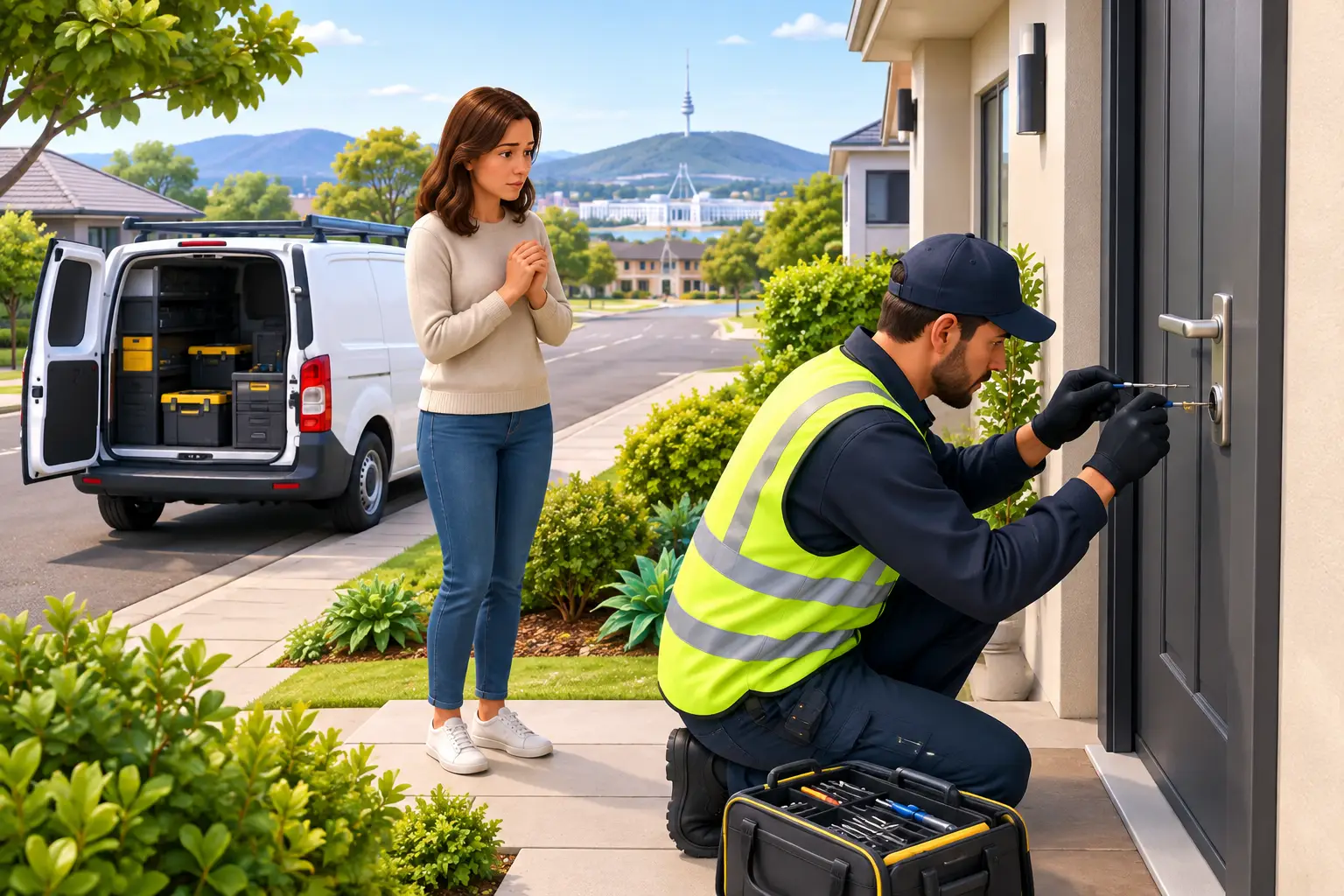
When the locksmith arrives, confirm their identity before allowing work to start. Ask for a breakdown of the expected work if the lock may need replacing. A good technician will assess the issue, explain whether entry can be gained without damage, and recommend repair, rekeying or replacement only where it makes sense.
Night & Day Locksmiths has supported Canberra homes, businesses and drivers since 1979, with mobile assistance and qualified advice when access or security cannot wait. Long-standing local service is valuable because the work does not stop at opening a door – the right solution should also leave the property properly secured.
If keys are lost or stolen
Lost keys and stolen keys are not the same security problem. If you simply misplaced a key and are confident it cannot be connected to your address, rekeying may not be urgent. Even then, consider who could find it and whether it includes identifying tags, access cards or vehicle details.
If keys were stolen, taken with a bag containing your address, or lost near your home or business, treat it as a security issue. Rekeying allows a locksmith to alter the lock so the old key no longer works, often without replacing the entire lock. It is usually a practical option for standard compatible locks and can be quicker and more economical than full replacement.
For businesses, respond quickly if lost keys provide access to storerooms, offices, plant rooms or restricted areas. The right response may involve rekeying selected doors, cancelling electronic credentials, updating access records, or reviewing whether a master key system has been compromised. The scope depends on who had the key and what it could open.
Vehicle keys need a different response
A lost modern car key is more than a missing piece of metal. Many vehicles use transponder technology that communicates with the ignition or keyless system. A replacement key may need cutting and programming, while a stolen key may need to be removed from the vehicle’s memory so it cannot start the car.
Do not leave registration papers, spare keys or documents showing your home address in the glovebox. If a vehicle key and identifying documents are stolen together, speak with a locksmith promptly and consider whether your home locks also need attention.
After a break-in or attempted break-in
Once police have confirmed it is safe to enter, photograph the damage before cleaning up if you may need the images for an insurance claim. Then focus on restoring security as soon as possible. A door that closes but does not lock properly is not a temporary solution, particularly overnight.
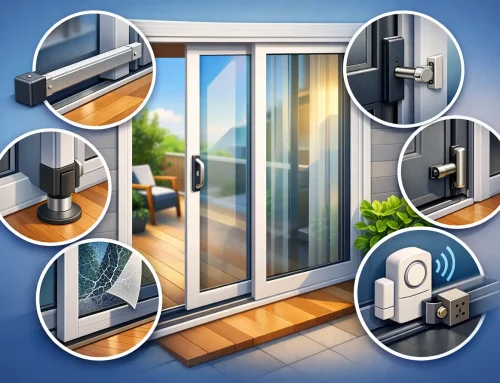
A locksmith can assess more than the cylinder itself. Forced entry can bend a strike plate, split a timber frame, damage hinges, compromise a sliding door lock, or leave a weak point that will fail again. Depending on the damage, the practical answer may be a lock repair, new lock, reinforced strike plate, window lock, security screen adjustment, or a broader upgrade.
For a rental property, notify the property manager or landlord promptly and keep records of the incident. Property managers and strata professionals should also consider whether common-area keys, swipe credentials or master keys require immediate action. A quick fix to one door can be insufficient if shared access has been affected.
Make the next emergency easier
The best time to prepare for a lockout is when you are not in one. Keep a spare key with someone you trust rather than under a doormat, pot plant or meter box. Those locations are familiar to opportunistic thieves. If several people need access, consider a controlled key system, keypad entry or another solution suited to the property and its level of risk.
Review your locks after moving home, changing tenants, ending a relationship, losing keys, or taking over a business premises. Rekeying is often the sensible first step because it removes uncertainty about how many old keys may still be circulating. For commercial sites, maintain an accurate record of issued keys and access permissions.
Save the contact details of a licensed 24/7 locksmith in your mobile before you need one. It is a small preparation that can reduce stress, limit damage and help you make a clear decision when access or security suddenly becomes urgent.
When a lockout or security issue happens, slow down long enough to put personal safety first. The right locksmith should restore access without adding pressure, explain the options plainly, and leave you safer than when they arrived.