
A front-door key that suddenly sticks, an office lock that turns without opening, or a car ignition that will not release the key can make an ordinary day feel urgent very quickly. The good news is that can locks be repaired is often answered with yes. Whether repair is the right choice depends on what has failed, the age and quality of the lock, and whether the fault has affected your security.
A qualified locksmith can assess the mechanism rather than guessing from the outside. In many cases, a targeted repair or rekey is quicker and more economical than fitting a completely new lock. In others, replacement is the safer long-term decision.
Can locks be repaired without replacing them?
Many common lock problems are repairable. A lock is made up of several working components, including the cylinder, pins, springs, cam, latch, strike plate and internal gearbox in some door systems. One worn or misaligned part can stop the whole lock from operating properly.
For example, a key may be difficult to turn because the cylinder is dry, dirty, worn or damaged by an incorrect key. A door may need to be lifted or pulled hard before it locks because the strike plate has shifted, often after normal building movement, loose hinges or changes in temperature. These faults do not automatically mean the entire lock has reached the end of its life.
A locksmith can clean and lubricate suitable components, adjust door alignment, replace damaged internal parts, repair or replace a cylinder, and check that the lock engages correctly. For many homes, units and commercial premises, this restores reliable operation without unnecessary replacement.
Repair is not the same as a temporary workaround. A proper repair should leave the door latching and locking smoothly, with the key operating consistently from the correct side. If the fault remains intermittent, it needs further attention before it becomes a lockout or security issue.
When lock repair makes sense
Repair is usually worth considering when the lock body is sound and the problem is isolated. A snapped key lodged in the cylinder, for instance, can often be removed without replacing the lock. A worn cylinder may be replaced while keeping compatible door furniture and hardware in place.
Rekeying is another practical option where the lock itself works well but key control has changed. If you have moved into a property, lost a key, changed tenants or had keys returned by a former employee, a locksmith may be able to alter the existing lock so old keys no longer work. It is often more cost-effective than changing every lock, provided the hardware is in good condition and suitable for rekeying.
Door alignment repairs are also common. A deadlock that only works when someone pushes the door, or a latch that catches on the frame, may simply need adjustment. Leaving it untreated can put pressure on the lock and key, eventually causing more expensive damage.
For commercial properties, repair can be sensible when the existing lock forms part of a wider master key system or restricted key arrangement. Maintaining compatible, high-quality hardware can protect key control and avoid disruption to authorised users.
Problems that should be assessed promptly
Do not wait for complete failure if you notice a key becoming harder to insert or turn, a lock requiring repeated attempts, a loose handle, scraping around the latch, or a deadlock that will not engage fully. These are early warnings, not minor inconveniences.
A sticking lock can leave you locked out after work, unable to secure a business at closing time, or unable to lock a property properly overnight. Calling a locksmith while the door is still accessible usually gives you more repair options and less stress.
When replacing a lock is the safer option
Some damage cannot be repaired reliably, or the cost of repair makes replacement the better value. A lock should generally be replaced when the body is cracked, heavily corroded, badly worn, forced during a break-in attempt, or no longer meets the security needs of the door.
Replacement is also wise if a lock has repeatedly failed after adjustment. A repair may get an older mechanism moving again, but it cannot always restore the strength or reliability of components that have worn down over years of use. This is particularly relevant for high-traffic doors in offices, schools, strata buildings, warehouses and retail premises.
If a lock has been attacked or damaged during an attempted burglary, security should come first. Even where the key still turns, hidden damage to the cylinder, latch or door frame can make the property easier to force open. A locksmith can inspect the full setup, including the strike plate, screws, door condition and surrounding frame, before recommending the appropriate replacement.
Older locks may also be worth upgrading if they offer limited resistance to picking, drilling or forced entry. The right replacement is not always the most expensive product. It should suit the door material, location, level of use and risk at the property.
Locks that are often better replaced
A repair may not be the best answer when you are dealing with:
- A lock damaged by forced entry, vandalism or severe impact
- A badly rusted outdoor lock affected by long-term weather exposure
- A low-quality lock that has failed more than once
- A lock with obsolete parts that cannot be sourced reliably
- A lock that no longer provides suitable security for the property
The final decision should be based on condition, security and expected lifespan, not just the immediate cost of getting the key to turn again.
What about electronic, digital and car locks?
Electronic and keyless entry locks can often be repaired, but the cause needs to be identified first. A flat battery, worn keypad, faulty wiring, damaged reader or programming issue can produce similar symptoms. Replacing the unit before testing these points may be unnecessary.
For businesses, electronic access issues can also be connected to user permissions, door closers, electric strikes or access-control programming. A professional assessment helps separate a hardware fault from a system issue and keeps access arrangements secure.
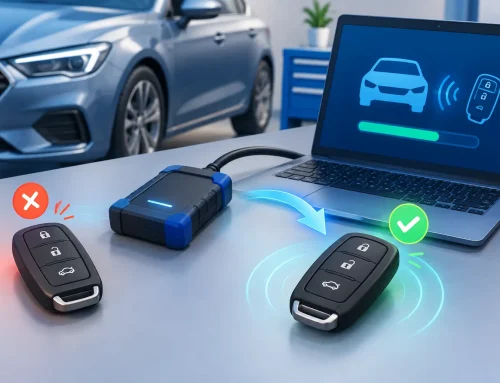
Vehicle locks and ignitions can also be repairable. A worn car key, damaged transponder, faulty ignition barrel or broken remote button may be repaired or replaced depending on the vehicle and parts availability. Forcing a key in the ignition or using makeshift tools can damage the steering column or immobiliser system, turning a manageable job into a larger repair.
Avoid making lock damage worse
When a lock is sticking, avoid forcing the key or spraying it with general-purpose oil. Heavy oils can attract dust and grime inside the mechanism, making the problem worse over time. Do not keep using a bent, cracked or badly worn key either, as it can break inside the lock.
If the door is misaligned, slamming or shoulder-checking it into place can damage the latch and frame. If you cannot secure the property, or if the lock has been forced, treat it as urgent. Keep the area secure where possible and arrange professional assistance rather than trying to dismantle a security lock yourself.
For renters, report faults to the property manager or landlord promptly and keep a clear record of the problem. For business owners and facilities managers, a recurring lock issue should be logged before it affects staff access, emergency exits or end-of-day security procedures.
Getting the right advice for your property
The best locksmith will explain what has failed, whether repair is likely to last, and what replacement options make sense if it will not. Be cautious of anyone who recommends a full replacement without inspecting the lock and door, especially when the problem may be a simple cylinder, key or alignment issue.
For Canberra homes, businesses and vehicles, Night & Day Locksmiths can assess lock faults on site and provide practical advice based on security, cost and urgency. As a family-owned, fully licensed local locksmith service with emergency availability, the focus is on getting you secure again without selling work you do not need.
A lock that is hard to use is often asking for attention before it fails completely. Having it checked early can preserve a good lock, protect your property and prevent a stressful callout at the worst possible time.