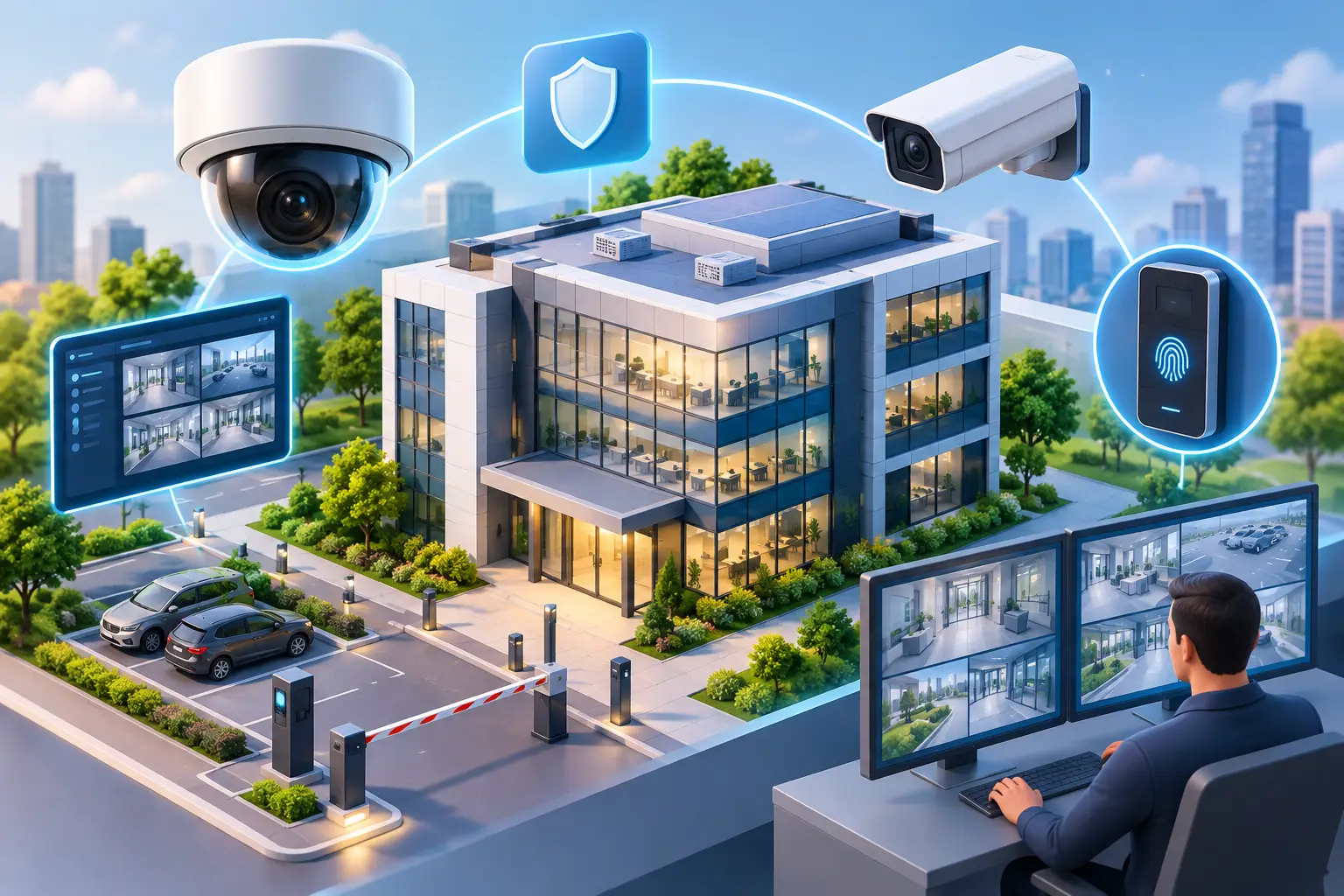
A lost staff key, an ex-employee who still has access, or a roller door left unsecured after close can create a bigger problem than most businesses expect. The most useful commercial security trends 2026 are not about buying the newest gadget. They are about knowing who can enter, when they can enter, and how quickly you can respond when something goes wrong.
For Canberra offices, workshops, warehouses, retail sites and strata properties, security planning is becoming more connected and more deliberate. Physical locks still matter. So do keys, doors, gates and emergency access. The difference is that businesses are increasingly combining these foundations with clearer access rules, better records and practical monitoring.
Commercial security trends 2026 businesses should watch
Access control is becoming more flexible
Traditional keys remain a dependable choice for many doors, particularly where power, network coverage or budget make electronic access impractical. But businesses are moving towards systems that let managers add, remove or change access without collecting and reissuing a large number of keys.
This can include fobs, cards, PIN pads and mobile credentials. A mobile credential can be useful for staff who work across several locations, contractors arriving outside normal hours, or managers who need access without carrying a crowded keyring. Access can be restricted by door, time of day or role, then removed promptly when a person leaves.
The right system depends on the site. A small professional office may only need controlled entry at the front door and a secure records room. A warehouse may need separate access for office staff, delivery drivers, plant rooms and perimeter gates. Adding technology where it solves a genuine problem is better than installing a complex system no one is confident using.
Physical security is getting the attention it deserves again
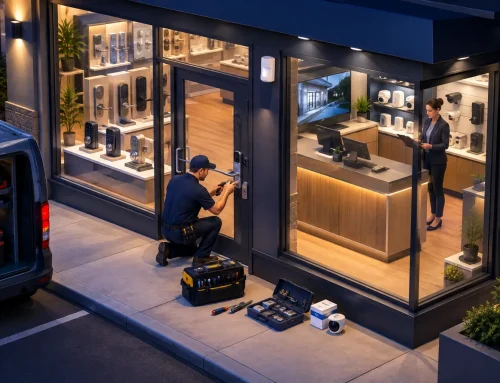
Electronic access does not compensate for a weak door, worn lock, loose strike plate or poorly secured rear entry. One of the stronger commercial security trends 2026 will be a return to the basics: businesses checking whether their physical barriers match the risks they face.
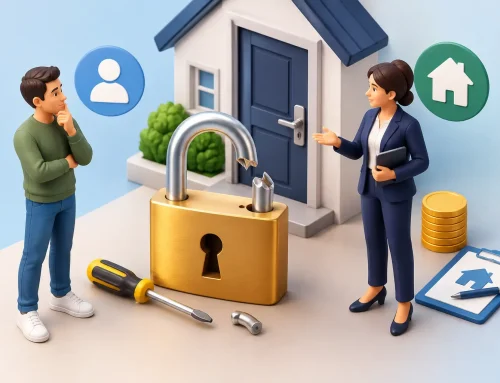
That may mean upgrading worn hardware, fitting commercial-grade locks, improving door closers, securing cabinets, or reviewing the security of loading areas and shared entries. For sites with frequent staff turnover, rekeying can be a sensible and cost-effective response. It renders old keys ineffective without replacing every lock.
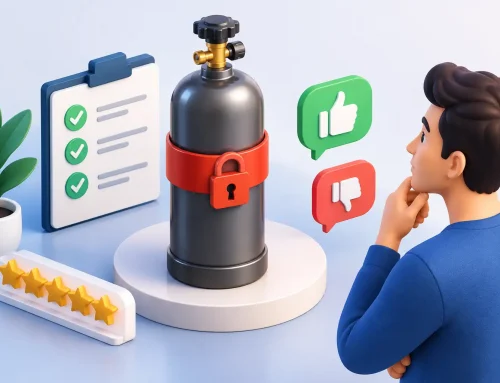
Restricted key systems are also becoming more relevant. Unlike ordinary keys that may be copied without approval, restricted keys are controlled through an authorised process. This gives business owners and property managers a clearer record of who has been issued a key and reduces casual duplication. It is particularly useful where keys are held by cleaners, trades, tenants or multiple departments.
Master key systems need clearer control
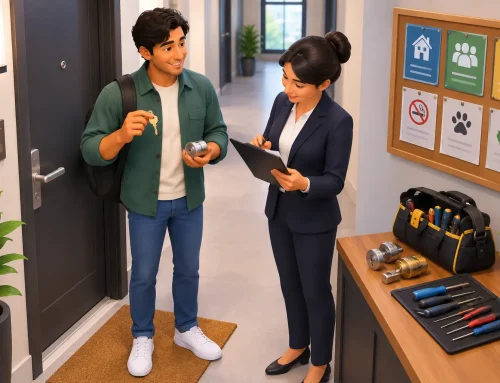
A well-designed master key system gives people access only to the areas required for their work. A cleaner might access common areas and amenities, a supervisor might access several departments, and the business owner may hold the master key. Done properly, it reduces the number of keys staff carry without giving everyone unrestricted entry.
The risk is not the system itself. The risk is poor administration. Over time, keys get loaned out, staff change roles, locks are altered, and no one is sure what still works where. In 2026, more businesses will review their master key plans, key registers and handover processes rather than waiting for a missing key to force the issue.
A simple register should show who holds each key, which doors it opens, when it was issued and when it was returned. This is not unnecessary paperwork. It makes an incident easier to manage and helps identify when rekeying or an access change is needed.
Security systems are being judged by response time
Cameras, alarms and notifications can provide valuable information, but they do not physically secure a door or attend a break-in. Businesses are starting to assess security systems by what happens after an alert, not simply by the number of alerts received.
Who receives the notification after hours? Can they tell the difference between a delivery, a staff member and a genuine concern? Is there a clear process for calling police, a security provider, a property manager or an emergency locksmith? If a lock is damaged, can the premises be made secure quickly?
This is where a practical response plan matters. Keep the right contacts available, nominate decision-makers, and make sure the people with authority to approve urgent work can be reached. For a local business, a fast response after a break-in can limit downtime, protect stock and give staff confidence returning to work.
Camera systems are moving towards useful evidence
Better cameras and analytics can help identify movement, distinguish people from vehicles and flag unusual activity. Used well, this can reduce the time spent reviewing footage and make an incident easier to investigate.
However, more data is not always better security. Camera placement, lighting, image quality and retention settings matter more than installing cameras in every corner. Businesses should also consider privacy obligations, particularly where cameras cover staff workspaces, common areas or neighbouring properties. Staff should understand what is being monitored and why.
Cameras work best as part of a broader plan. They can document an event and deter opportunistic behaviour, but they should sit alongside secure entry points, good lighting, controlled keys and reliable procedures.
Cyber security now overlaps with door security
When access control, cameras and alarms connect to a network, they need the same basic care as other business systems. Default passwords, shared logins and outdated software can create avoidable risks. The person responsible for physical security may need to work more closely with the person responsible for IT.
This does not mean every small business needs enterprise-level technology. It means choosing reputable equipment, using individual administrator accounts where possible, changing access when staff leave, and keeping software supported and updated. Before installing a connected system, ask who owns the data, who can administer it and what happens if internet access drops out.
For some sites, a standalone electronic lock or a quality mechanical restricted key system may be the more reliable choice. Security should suit the building and the people using it, not follow a trend for its own sake.
Planning upgrades without disrupting the business
The best starting point is a site-specific security review. Walk through the property as if you were arriving after hours. Check the front door, rear access, side gates, windows, roller doors, store rooms, key cabinets and any shared entrances. Consider where visitors, contractors and deliveries enter, and whether access is still appropriate for current staff.
Then prioritise the issues that create the greatest exposure. A faulty lock on a rear door deserves attention before a cosmetic upgrade to an already secure reception area. A lost master key may call for rekeying before introducing mobile access credentials. If staff regularly prop open a door because entry is inconvenient, solve that operational problem rather than repeatedly reminding them not to do it.
For property managers and strata committees, consistency is especially valuable. Agreeing on approved lock types, authorised keyholders and emergency procedures makes each tenancy change or maintenance call easier to manage. It also prevents a building from accumulating incompatible locks and unknown keys over the years.
Night & Day Locksmiths has seen that the strongest commercial security outcomes usually come from sensible layers, not one expensive product. Quality locks, controlled keys, suitable access systems and a plan for urgent faults each have a role to play.
A security upgrade should leave your business easier to operate, not harder. Start with the doors and keys you rely on every day, make access accountable, and ensure help is available when an unexpected problem puts the premises at risk.