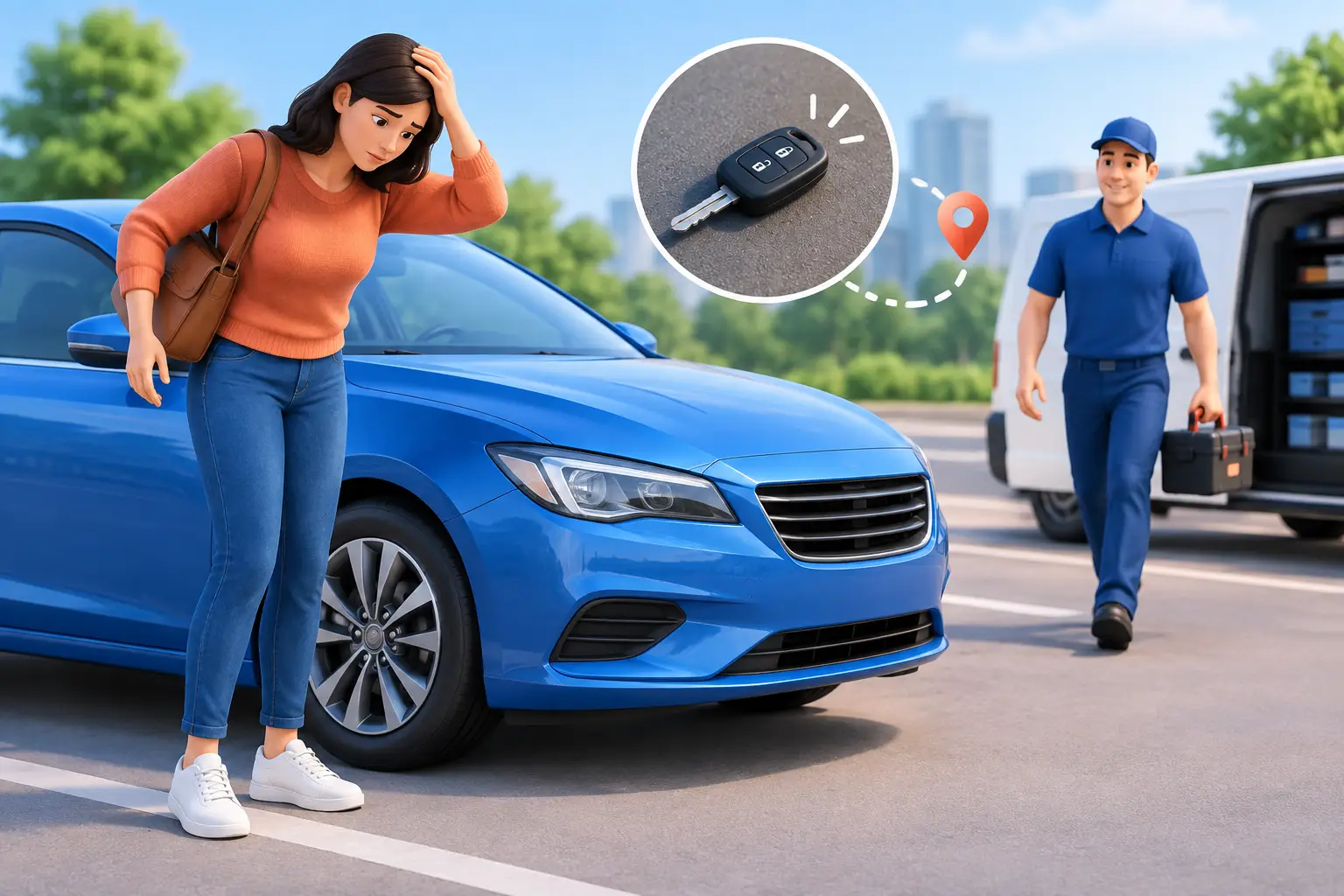
A lost car key can turn an ordinary school run, workday or shopping trip into an immediate problem. The right lost car key solutions depend on the type of vehicle, the key technology involved and whether the key is simply misplaced, damaged or stolen. The first priority is getting you somewhere safe and working out the quickest legitimate way to get back on the road.
Lost car key solutions: start with the facts
Before arranging a replacement, take a moment to rule out the obvious. Check the places keys commonly end up: inside the vehicle, under a seat, in the boot, at the service counter of the last place you visited, or at home with another family member. If you have a spare key, make sure it is genuinely available before paying for urgent assistance.
If the vehicle is locked and the keys are visible inside, do not attempt to force a door, bend a frame or use improvised tools. Modern vehicles have sensitive locking mechanisms, weather seals, side airbags and electronics in the doors. A rushed attempt can create a far more expensive repair than a professional vehicle entry.
It also helps to gather the vehicle make, model, year and registration. If you know whether your vehicle uses a traditional metal key, remote fob, smart proximity key or key card, mention that when you call. This gives the locksmith a clearer picture of the equipment and programming that may be required.
Why a replacement is not always just a new key
Older cars may use a basic mechanical key that can be cut from an existing key or lock code. Most newer vehicles use an immobiliser system, where a transponder chip inside the key communicates with the vehicle before it will start. Remote and smart keys may need additional programming for central locking, push-button start and proximity access.
That means a key that looks right may still fail to start the engine. A replacement needs to be compatible with the vehicle, cut correctly where applicable and programmed to communicate with its security system. The exact process varies between manufacturers and models.
A mobile automotive locksmith can often provide replacement and programming services at the vehicle, which avoids organising a tow to a dealership. However, some vehicles have specialised security systems, restricted parts availability or manufacturer procedures that affect turnaround time. A reputable locksmith will explain what is possible before work begins, rather than making promises that do not match your vehicle.
If the key is damaged rather than missing
A damaged key can be easier to solve if you still have all the pieces. Do not keep forcing a cracked remote, bent blade or failing key into the ignition. A worn key can damage the ignition barrel, while a failing remote battery or internal circuit may leave you stranded without warning.
Signs worth acting on include needing several attempts to start the car, a remote that works only at close range, a loose key blade, or a key that intermittently shows an immobiliser warning. Having a replacement made before the original fails completely is usually less stressful and may give you more options.
What to do when you are locked out
If the car is locked, first move away from traffic and into a well-lit area if it is safe to do so. Keep your mobile charged where possible and avoid leaving children, pets or vulnerable passengers in a vehicle. In hot or cold conditions, or where anyone is at risk, contact emergency services immediately.
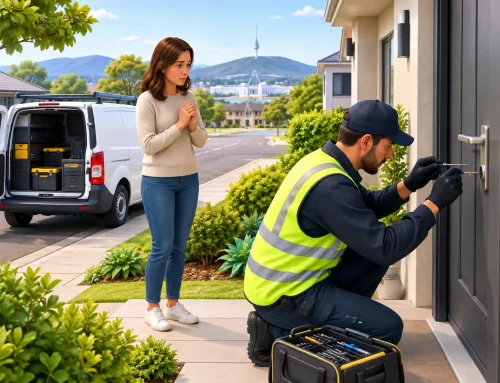
For a standard lockout, a licensed automotive locksmith can use professional entry methods designed to minimise the risk of damage. They can then help recover keys locked inside, assess whether the key is malfunctioning, or arrange the next step if no key is available.
You will generally need to show identification and evidence that you are entitled to access the vehicle. This protects vehicle owners and helps prevent unauthorised entry. Keep your licence, registration details and any relevant ownership documents accessible where practical, even if they are stored digitally on your mobile.
When a lost key becomes a security issue
Misplacing a key at home is one thing. Losing it with documents that show your address, leaving it in a public place, or having it stolen is different. In those circumstances, think beyond getting a replacement cut.
Depending on the vehicle, it may be possible to remove the missing key from the car’s memory and program new keys. This reduces the chance that someone who finds the old key can return and start the vehicle. In more serious cases, particularly where keys and identifying paperwork have been stolen together, you may also need advice from your insurer and consider where the vehicle is parked.
Do not assume a replacement automatically disables the old key. Ask directly whether the missing key can still start the vehicle and what options are available to protect it. This is one of the most useful questions you can ask when comparing lost car key solutions.
Locksmith or dealership: which is right for you?
Both can be appropriate, and the best choice depends on the car and your situation. A dealership may be necessary for particular models, specialist keys or manufacturer-controlled security systems. It may also be the preferred option if you want an original branded key supplied through the manufacturer.
An established automotive locksmith is often the practical choice when the vehicle is immobilised, you need help outside business hours, or you want service at your location. Many locksmiths can cut and program a wide range of vehicle keys, remotes and transponders without the delay and cost of towing the car.
When choosing help, ask whether the provider is licensed, whether they can attend your location, and whether the quoted work includes cutting, programming and testing. Be cautious of vague pricing or providers who cannot clearly explain their process. The cheapest callout is not necessarily the lowest overall cost if the key does not work properly or the vehicle is damaged during entry.
For Canberra drivers, Night & Day Locksmiths provides mobile automotive locksmith support with the reassurance of a fully licensed, family-owned local business that has served the community since 1979.
Avoid costly shortcuts
Online replacement keys can appear cheaper, but they are not always suitable. A key shell may only replace the outer casing, while an uncut blade or blank remote still needs the correct chip, cutting and programming. Compatibility can be difficult to verify, especially for smart keys and imported vehicles.
Trying to bypass an immobiliser, force an ignition, or use a copied key from an unknown source can cause security and insurance problems. It may also leave the vehicle unreliable at the worst possible time. Professional work costs money because it involves the correct tools, vehicle-specific knowledge and verification that the key starts the car, operates the locks and performs as expected.
If you have roadside assistance or comprehensive insurance, check your policy. Some policies may contribute to locksmith costs, towing or replacement keys, although exclusions and limits vary. Keep invoices and ask your insurer what documentation it requires before making a claim.
Prevent the next lost-key emergency
Once you are back on the road, make a simple plan for the next time. Keep a tested spare key somewhere secure away from the vehicle, such as at home with a trusted person. Do not hide a spare under the car or inside an easily accessible exterior compartment.
For households with shared vehicles, label keys clearly and agree on one storage place. If your key has a replaceable battery, change it at the first sign of weak range rather than waiting for it to fail. A Bluetooth tracker may help locate a misplaced key, but it is not a substitute for a properly programmed spare.
If you only have one working key, arranging a duplicate before it is lost is usually the most economical option. It gives you time to confirm compatibility, compare options and avoid the pressure of an emergency callout.
A lost key does not need to become an all-day crisis. Stay safe, protect the vehicle if theft is a possibility, and choose a qualified locksmith who can give clear advice for your specific car. A properly cut and programmed spare key is a small piece of preparation that can save a great deal of trouble later.