A tenancy change can leave more than a property to clean and inspect. It can also leave unknown copies of keys in circulation. Calling a locksmith for rental property rekeying gives landlords, property managers and strata representatives a practical way to restore control of who can enter the premises, without automatically replacing every lock on every door.
For rental properties, rekeying is often one of the quickest and most cost-effective security jobs you can arrange between tenants. It is also a sensible response when keys have been lost, not returned, copied without approval or passed between contractors. The goal is simple: ensure old keys no longer operate the property while giving approved occupants a fresh, controlled set of keys.
What rental property rekeying actually involves
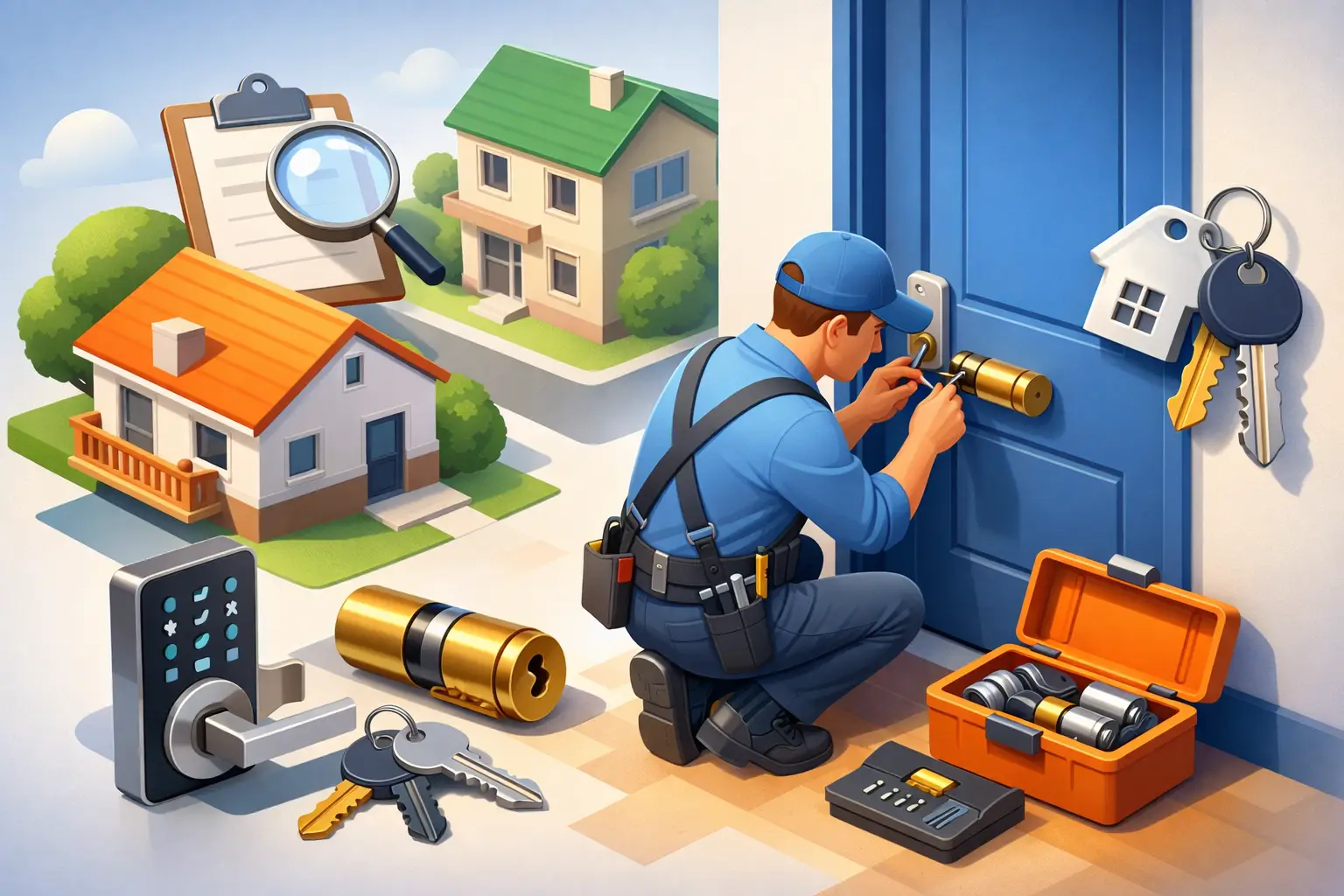
Rekeying changes the internal configuration of a compatible lock cylinder so it works with a new key. The existing lock hardware usually remains on the door, but the old key is made useless. This differs from a full lock replacement, where the complete lock or cylinder is removed and a new product is installed.
For a well-maintained rental property with suitable locks, rekeying can save time and reduce costs. A locksmith can assess the locks on site, confirm whether they can be rekeyed, cut the required keys and test every entry point before leaving. That includes front and rear doors, side gates, garages, storage areas and common-access doors where authorised.
It does depend on the condition and type of the existing hardware. A worn lock, damaged cylinder, low-quality lock or door that no longer latches properly may need repair or replacement rather than a straightforward rekey. Security should not be compromised merely to retain old hardware.
When should you book a locksmith for rental property rekeying?
The most common time is at the end of a tenancy, particularly when there is any uncertainty about the number of keys that were issued and returned. Even where keys are handed back, a former tenant may have made copies over the course of the lease. Rekeying removes that uncertainty.
It is also worth arranging promptly after a reported lost or stolen key, a break-in, relationship breakdown, employee departure or change in property management. In each case, the issue is not just whether the key is physically missing. It is whether someone who should no longer have access might still be able to enter.
For landlords managing several homes, units or commercial tenancies, rekeying can be incorporated into the standard exit process. This makes security a routine part of turnover, rather than an urgent job after a problem occurs. It also gives incoming tenants confidence that they are receiving a property with controlled access.
Rekeying after an emergency
If a tenant has been locked out, lost their keys late at night or had a key stolen, the first priority is safe access. A mobile locksmith can help regain entry without unnecessary damage where possible. Once the immediate situation is resolved, the property manager or owner can decide whether the lock should be rekeyed straight away.
Emergency work and scheduled rekeying are not always the same job. If the authorised decision-maker cannot be reached overnight, a locksmith may restore access first and arrange any broader key changes with the appropriate approval. This protects the tenant while keeping control of the property’s security arrangements with the owner or manager.
Rekeying versus changing locks
Rekeying is usually the right choice when the current locks are in good condition, meet the property’s security needs and are compatible with a new key combination. It keeps familiar door furniture in place and can be efficient for a group of locks that are already keyed alike.
Changing locks is the better option where hardware is faulty, keys are difficult to turn, the lock has visible damage or the property needs a higher level of security. It may also be required when existing locks cannot be rekeyed, when different access arrangements are needed, or when a landlord wants to move to restricted keys or electronic access.
A professional assessment matters here. Replacing a lock that only needs rekeying can create avoidable expense. On the other hand, rekeying a lock that is worn or unsuitable can leave a new tenant with the same reliability and security problem.
Key control matters as much as the lock
A new key combination is only useful if key distribution is managed properly afterwards. Property managers should record how many keys are issued, who receives them and which doors they operate. That record should include keys held by the agency, owner, cleaner, maintenance team and any approved contractor.
For larger portfolios, a master key system can simplify authorised access while limiting what each key can open. For example, a contractor may need access to a plant room or external gate but should not have a key that opens every residence. Restricted key systems can add another level of control by helping prevent unauthorised duplication.
These options are particularly useful for strata properties, offices and multi-site commercial rentals, but they can also suit residential portfolios with frequent maintenance activity. The right setup depends on the property, the number of users and the level of access required.
Protect tenants while meeting your responsibilities
Rental access is not simply a security issue. It also involves privacy, tenancy obligations and clear communication. Tenants should know who has keys to the property and when authorised entry may occur. Landlords and property managers should follow the applicable ACT tenancy requirements and the terms of the lease when arranging access, giving notice or authorising work.
If a tenant requests a lock change or raises a safety concern, respond quickly and document the request. There may be circumstances where an urgent security response is appropriate, particularly after a break-in or where a key has been compromised. A licensed locksmith can explain the practical options, but legal or tenancy-specific questions should be checked with the relevant authority or property professional.
The same care applies to locksmith authorisation. Before rekeying a rental property, a locksmith should be satisfied that the person requesting the work has authority to do so. This protects owners, tenants and the property manager from unauthorised changes.
What to expect from a professional rekeying visit
A properly planned visit begins with identifying the doors and locks that need attention. The locksmith should check lock condition, key compatibility, door alignment and whether all locks should operate from one key. You may decide to have entry doors keyed alike for convenience while keeping garages, storerooms or utility areas on separate keys.
Once the work is approved, the locksmith reconfigures or replaces the relevant cylinders, cuts new keys and tests operation from both sides of the door. Before the job is complete, confirm the number of keys required and ensure old keys no longer work. If the property has a mailbox, garage remote, security screen, gate lock or storeroom, make sure these have not been overlooked.
For Canberra property managers, using an established, fully licensed local locksmith also makes follow-up easier. Night & Day Locksmiths has supported local homes, businesses and property professionals since 1979, with mobile assistance available when a tenancy handover or lost-key issue cannot wait.
Plan rekeying into every handover
The best time to decide on rekeying is before the keys are returned, not after the next tenant has moved in. Add it to the exit checklist alongside the final inspection, smoke alarm checks, cleaning and repairs. This creates a clear process, avoids rushed decisions and helps ensure the incoming tenant receives the correct keys from day one.
A rental property is only as secure as the access you can account for. When keys change hands, a timely rekey is a straightforward way to protect the property, respect the next tenant’s peace of mind and keep your records clean.