A fire door that will not latch is not a small maintenance issue. It can allow smoke and fire to move through a building far sooner than intended, while a poorly chosen lock can make it harder for people to leave safely. Fire door locks need to balance security with fast, simple escape – and the whole door assembly needs to work together.
For Canberra homeowners, business owners, strata managers and facilities teams, the practical question is not simply which lock fits the door. It is whether the lock, latch, closer, hinges, door leaf and frame continue to perform as a tested fire door system.
What fire door locks are designed to do
A fire door is part of a building’s passive fire protection. When closed, it helps slow the spread of fire and smoke between areas, giving occupants more time to exit and helping protect escape routes. The lock or latch is central to that job because a fire door generally needs to close fully and latch securely.
That is why ordinary door hardware is not automatically suitable. A lock may look similar, fit the same cut-out and work perfectly for day-to-day security, yet be unsuitable for a fire-rated door. Changing hardware can affect the door’s fire rating, its ability to self-close or its compliance with the door’s tested configuration.
The right arrangement depends on the door’s purpose. A plant room, office, apartment corridor, stairwell or tenancy entry may each have different access, security and egress requirements. The fire door tag, the building’s fire safety documentation and applicable requirements under the National Construction Code should guide the decision.
Fire door locks must allow safe exit
On the escape side of a fire door, occupants must be able to get out without searching for a key or working through a complicated locking sequence. In many commercial settings, this means using suitable exit hardware, such as a lever handle, panic bar or other approved egress device, depending on the door and occupancy.
Security still matters. External fire doors, service corridors and restricted areas may need a key, restricted key system, keypad or card access from the entry side. The key point is that security on one side must not prevent a straightforward exit from the other.
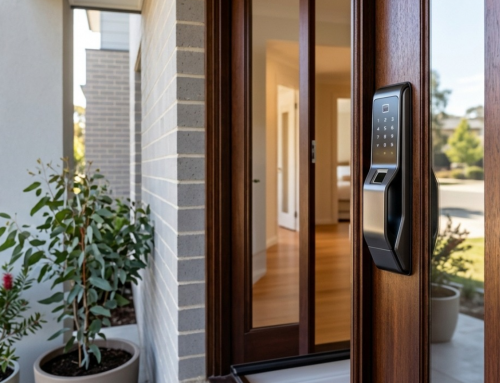
Electronic access control adds another layer. Electric strikes, magnetic locks and other powered hardware must be correctly integrated with the building’s fire and emergency systems where required. A door that stays locked during a power failure or alarm event can create a serious risk. On the other hand, a system that releases every secure door without a considered design may create unwanted security exposure. The correct solution depends on the site, the door’s role and the relevant fire safety requirements.
A locked fire door can still be compliant – if it is designed properly
There is no single rule that every fire door must be unlocked at all times. Some fire doors need controlled access to protect residents, stock, records or restricted work areas. What matters is that the chosen hardware is suitable for the door, supports its fire performance and allows compliant, practical egress.
This is where a quick hardware swap can become costly. Drilling new holes, enlarging a lock preparation, removing a latch or fitting an incompatible electric lock can compromise a rated door. Before making changes, have the existing door, certification tag and hardware assessed by a qualified professional familiar with fire door requirements.
Signs your fire door hardware needs attention
Fire doors are used hard. In strata buildings, offices, warehouses and retail premises, they may open hundreds of times a week. A fault often starts as an inconvenience and gradually becomes a safety concern.
Arrange an inspection if you notice any of the following:
- the door does not close fully or needs to be pushed shut
- the latch does not engage with the strike plate every time
- a key, handle or panic device is stiff, loose or damaged
- the door has been wedged open, propped open or altered
- access control hardware behaves inconsistently during a power outage or alarm test
Do not assume the lock is the only problem. A misaligned frame, worn hinges, incorrect closer adjustment, damaged seals or a door leaf that has warped can all stop a latch from engaging. The repair may be relatively simple, but it needs to preserve the performance of the complete assembly.
Choosing locks for fire doors without guessing
When replacing fire door locks, start with the door rather than the product catalogue. Check whether there is a fire door identification tag, what hardware is already fitted, whether the door is part of an escape route and how people need to use it throughout the day.
A rear fire exit may need free egress and controlled entry. A common-area door in an apartment building may need residents to enter with a key or fob while allowing anyone inside to leave easily. A tenancy door can require both fire-rated locking hardware and a master key or restricted keying arrangement. These are different problems, even if each door appears to use a similar mortice lock.
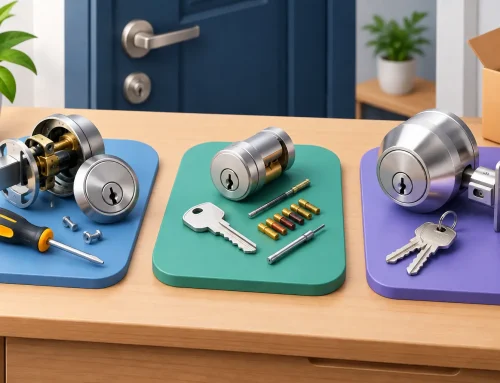
Compatibility is just as critical as the lock type. The lockcase, cylinder, escutcheons, latch, strike, handles, door closer and any access control equipment need to suit the fire door’s rating and installation requirements. Hardware should not be selected on price alone. A lower-cost lock that requires substantial door modification, jams under pressure or cannot be verified as suitable is rarely a saving.
For property managers, consistency can also make life easier. A considered master key system can provide authorised access to common areas and service rooms without creating a large collection of keys. Restricted key systems offer more control over duplication, which can be particularly useful after staff changes or when managing multiple contractors.
The everyday checks that prevent bigger problems
Building managers do not need to dismantle fire door locks to spot early faults. During regular site checks, look for doors that are wedged open, slow to close, scraping on the floor or failing to latch. Test that the handle operates normally and that the door closes from a reasonable open position without being slammed.
Keep the doorway clear. Rubbish bins, stock, doorstops and furniture can prevent a fire door from closing when it matters. Avoid attaching signs, hooks or unapproved accessories to the door, and never disable a closer simply because the door feels inconvenient during busy periods.
If the door is electronically controlled, include it in scheduled testing with the relevant fire safety provider. A locksmith can address lock, key, cylinder and access hardware faults, while fire system testing and building compliance responsibilities may involve other qualified contractors. Good maintenance means those services work together rather than treating the door as separate parts.
When to call a locksmith
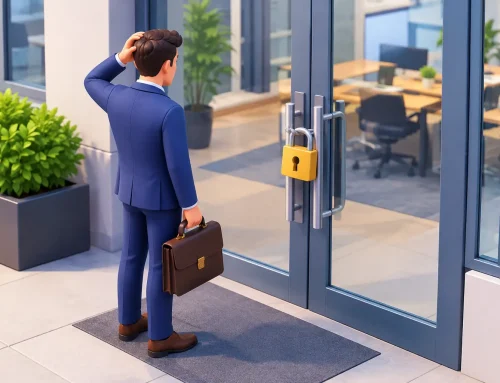
Call for professional help when a fire door lock has failed, a key has snapped in the cylinder, access needs to change after a tenancy handover, or a door is no longer latching correctly. For commercial and strata properties, seek advice before changing cylinders, handles or access control equipment on a fire-rated door.
Night & Day Locksmiths can assist Canberra property owners and managers with lock repairs, rekeying, restricted keys, master key systems and suitable security hardware. Where fire-rated doors are involved, the job should be approached carefully, with the existing door system and safe egress kept front of mind.
A fire door should close, latch and allow people to leave without hesitation. If yours does not do all three, arrange an assessment before a minor fault becomes a safety issue.