A key can snap at the worst possible moment: as you are locking up a shop, getting home after dark, or turning the ignition before work. When part of the key is stuck inside, a broken key extraction service is often the fastest way to regain access without turning a small fault into a damaged lock, door or ignition.
The temptation is to grab pliers, a screwdriver or a dab of glue. That can work only when a large section of key is clearly protruding, and even then it is easy to push the broken piece further into the cylinder. A professional locksmith has purpose-made extraction tools and the experience to remove the fragment carefully, then assess whether the lock and remaining key are safe to use.
When to call a broken key extraction service
Call for help as soon as a key breaks inside a house lock, office door, garage door, gate, mailbox, safe or vehicle ignition. The urgency depends on where you are and whether the property can be secured, but it is not a problem worth forcing.
A snapped key does not automatically mean the entire lock needs replacing. Sometimes the key was already worn, bent or weakened by age, and the cylinder is still in good condition once the piece is removed. In other cases, the key breaks because the lock is stiff, misaligned or internally worn. Removing the fragment is only the first step. The right repair prevents the same issue from happening again with the replacement key.
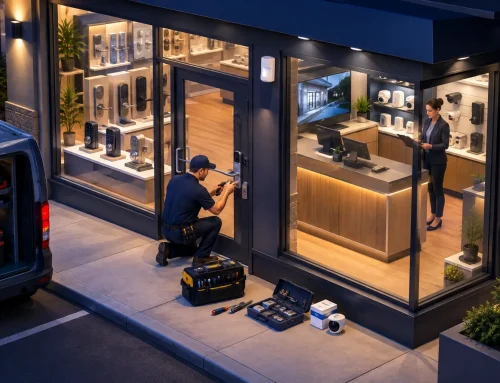
For Canberra homeowners, renters and businesses, an after-hours breakage can quickly become a security concern. If the key has broken while the door is unlocked, you may not be able to lock up. If it has broken while locked, you may be stranded outside. A mobile locksmith can attend, extract the key, restore access and help secure the property before leaving.
Do not force the lock or ignition
If the broken key is still partly visible, stop turning it. Avoid inserting another key, wire, pins, blades or adhesive into the keyway. These methods can lodge the fragment deeper, scratch the pins inside the lock or leave residue that makes a clean extraction more difficult.
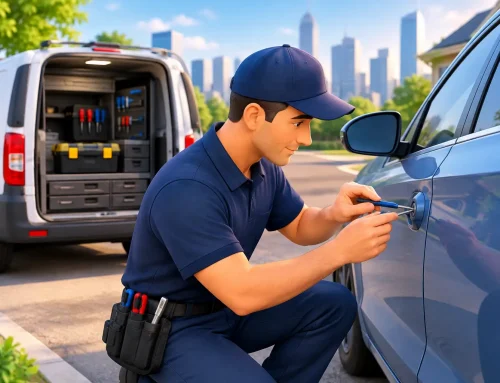
The same applies to a car ignition. Modern vehicle keys and ignitions are more complex than they appear. Forcing a broken blade or trying to turn the ignition with the fragment still inside can damage components that are far more expensive to repair than a locksmith callout. If your vehicle key has a transponder chip, the job may also involve ensuring the replacement key is correctly cut and programmed.
How a professional broken key extraction works
A locksmith begins by checking the position of the broken piece and the condition of the lock. The method used depends on the lock type, how deeply the key is lodged, whether the key was turned when it snapped, and whether the cylinder itself is damaged.
Specialised extractors are designed to reach behind or alongside the broken blade and withdraw it without unnecessary drilling or dismantling. In many situations, the locksmith can remove the piece while the lock remains fitted to the door. This saves time and helps avoid disturbance to the door furniture, frame or ignition assembly.
Once the key has been extracted, the lock should be tested with a suitable key. A good locksmith will check that the cylinder turns smoothly, that the door latches and locks correctly, and that there is no obvious damage causing resistance. If the key broke in a car ignition, they will also check the ignition operation before advising on the next step.
The outcome can vary. You may simply need a new key cut from an existing spare or from the recovered pieces. If the original key has become worn, a fresh copy made from it may reproduce the same problem, so a locksmith may recommend cutting a key to the correct specification instead. Where a lock is worn, misaligned or unreliable, repair, rekeying or replacement may be the smarter long-term option.
Why keys break in locks
Keys are tougher than they look, but they are not indestructible. Repeated use gradually wears the blade and weakens high-stress points, especially on old keys that have been copied many times. A slightly bent key can also fatigue over time until it snaps under normal turning pressure.
The lock itself often plays a role. Dirt, lack of lubrication, weather exposure, a sticking mechanism or a door that has dropped out of alignment can make a key difficult to turn. People naturally apply more force, and the key becomes the part that gives way.
With doors, notice whether you need to pull, lift or push the door to lock it. That may indicate alignment pressure on the latch or bolt. With a vehicle, a worn key, steering-lock tension or a faulty ignition barrel can contribute. Addressing the source of the resistance matters just as much as replacing the key.
Residential, commercial and automotive situations need different care
A broken key in a front door is inconvenient. A broken key in a business door, restricted master key system or commercial access point can affect staff access, closing procedures and site security. Property managers may also need a prompt solution that keeps tenants secure while maintaining control of who holds keys.
For commercial premises, a locksmith should consider the broader system before making changes. Replacing one cylinder may affect master-key access, restricted key control or the consistency of locks across the site. The quickest fix is not always the right fix when multiple people, tenancy obligations or security policies are involved.
Automotive extraction needs equal care. The locksmith must identify whether the issue is limited to the key blade or involves the ignition, remote, transponder or immobiliser. A broken remote key may still have an intact electronic chip, while a broken mechanical key can leave the vehicle unable to start even after access is restored. Clear diagnosis avoids paying for work that does not solve the actual problem.
What affects the cost and timing of extraction
The price of a broken key extraction service depends on the lock type, the key’s position, the time of day, travel distance and whether further work is required after removal. An accessible house cylinder during business hours is generally more straightforward than a key broken deep in a vehicle ignition at night.
The need for replacement keys, lock repairs, rekeying or ignition work also changes the scope. A reputable locksmith should explain what has been found, what is necessary to make the situation safe and functional, and what options are available if a larger repair is recommended. You should not be left guessing whether the lock can be trusted after the broken piece comes out.
Night & Day Locksmiths provides licensed, mobile assistance for urgent locksmith problems across Canberra, backed by a family-owned local business that has served the community since 1979. For an emergency, the priority is to get you safely back into your home, vehicle or premises and make sure it can be secured again.
Reduce the chance of another broken key
The best prevention is to act on early warning signs. If a key catches, needs force or only works when held at a certain angle, have it checked before it breaks. Use the key that operates most smoothly rather than an old, bent copy, and keep a properly cut spare in a safe place.
Do not use keys as tools for opening packages, prying lids or scraping surfaces. Keep locks clean and have persistent stiffness assessed rather than repeatedly applying force. For doors that are difficult to lock, the issue may be alignment rather than the key itself.
If a key breaks, pause before trying a quick fix. Leaving the lock alone and calling an experienced locksmith gives you the best chance of preserving the hardware, restoring access promptly and avoiding a much larger repair.