The keys handed over on settlement day, returned after a tenancy, or left with a former employee can create a security gap you cannot see. That is why the question, when should you rekey locks, matters well beyond a lost house key. Rekeying gives you control over who can enter your property without automatically replacing every lock on the door.
For Canberra homes, rentals and businesses, it is often one of the quickest and most cost-effective ways to restore confidence after a change in circumstances. The right time depends on the condition of your existing locks, how widely keys have been shared and whether your security needs have changed.
What rekeying a lock actually does
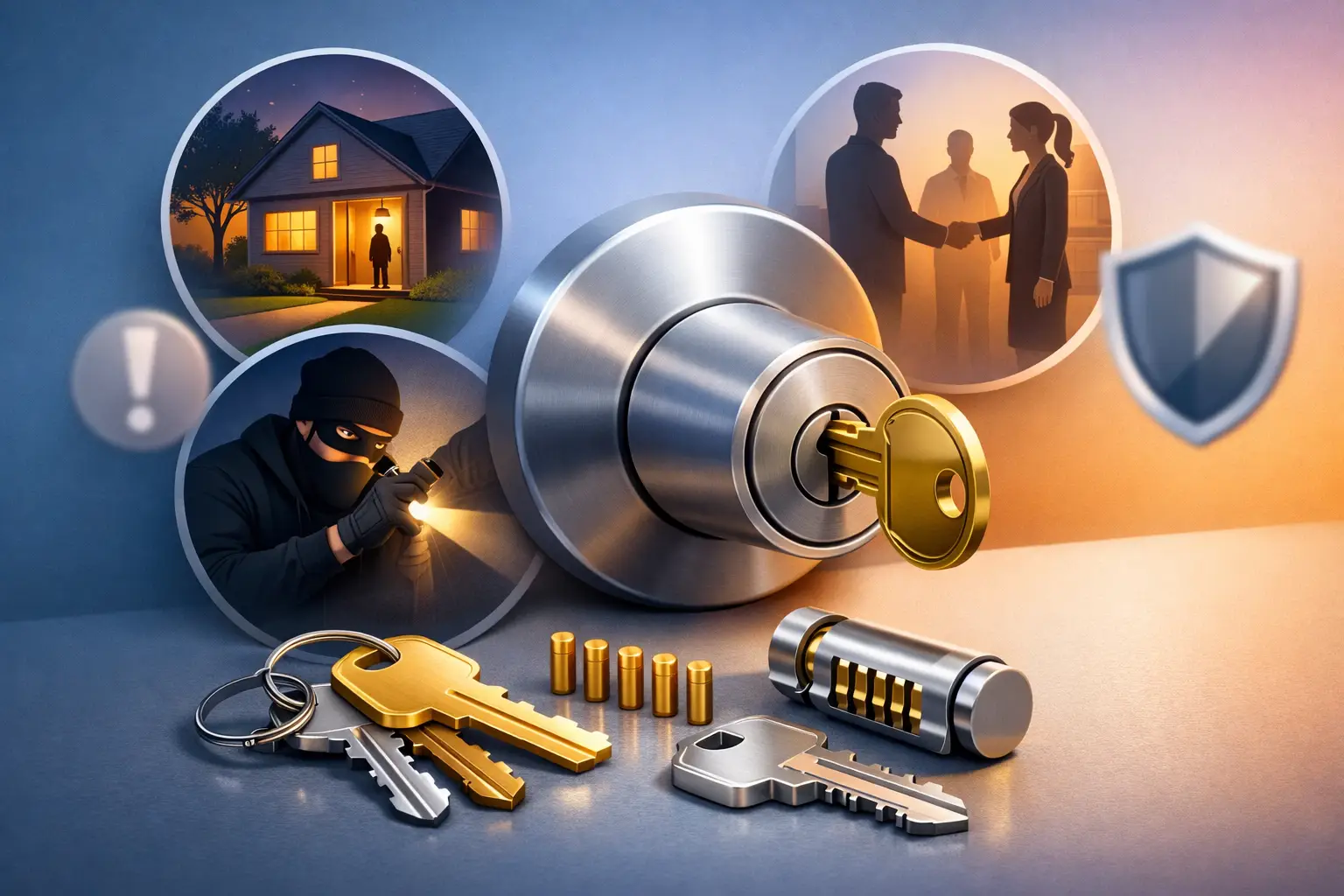
Rekeying changes the internal pin arrangement in a compatible lock cylinder so it works with a new key. The old key will no longer operate that lock. In many cases, the existing lock furniture and hardware can remain in place.
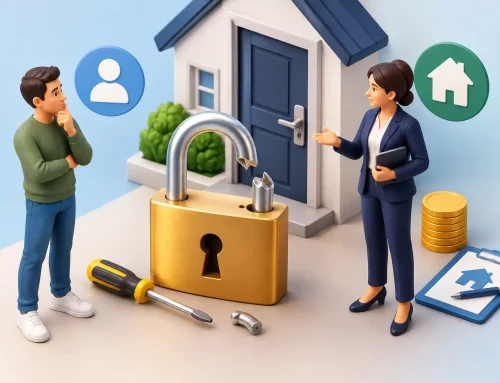
This is different from replacing a lock. A lock replacement involves fitting new hardware, which may be necessary if the lock is worn, damaged, outdated or does not provide the level of protection you need. Rekeying is usually the sensible option when the lock is in good working order but the key security is uncertain.
A qualified locksmith can assess the lock on site, confirm whether it can be rekeyed and make sure the new keys operate smoothly. It is also a good opportunity to review whether several doors can be placed on one key system, reducing the number of keys you need to carry.
When should you rekey locks at home?
After moving into a new home
Rekeying should be high on the list after you buy a property. Even if the previous owner hands over every key they have, there may have been copies made for relatives, neighbours, cleaners, tradespeople, dog walkers or past tenants. There is simply no reliable way to know how many keys are still in circulation.
Rekeying external doors, side gates, garages, sheds and letterboxes where appropriate gives your household a known starting point. It is a straightforward step that lets you settle in knowing only the people you trust have access.
When keys are lost or stolen
A missing key is not always an emergency, but it can become one quickly. If a key was lost with identification, an address, work paperwork or anything that connects it to your property, arrange rekeying as soon as possible. The same applies if a handbag, wallet, work bag or vehicle containing keys has been stolen.
If you know the key was dropped somewhere with no identifying information, the risk may be lower. Still, it is worth considering who could find it and what that key opens. A locksmith can help you make a practical decision rather than paying for a full lock replacement unnecessarily.
After a break-in or attempted break-in
Following a break-in, do not assume a lock is secure simply because it still turns. It may have been forced, manipulated or damaged in a way that affects its reliability. Rekeying prevents any stolen keys from being used again, while replacement may be needed if the cylinder, latch, door frame or strike plate has been compromised.
This is also the time to look beyond the affected door. Check other entry points, including sliding doors, garage access and rear doors. A break-in can expose weak points in the overall security of the property, not just the lock that was targeted.
After a relationship or household change
When someone moves out, rekeying can avoid an uncomfortable conversation about whether every copy has been returned. This applies to former partners, housemates, adult children moving on and regular service providers who no longer need access.
It is a practical, neutral measure. Rekeying is not about making assumptions about someone’s intentions. It is about ensuring the people with current permission are the only ones who can enter your home.
Rekeying rental and strata properties
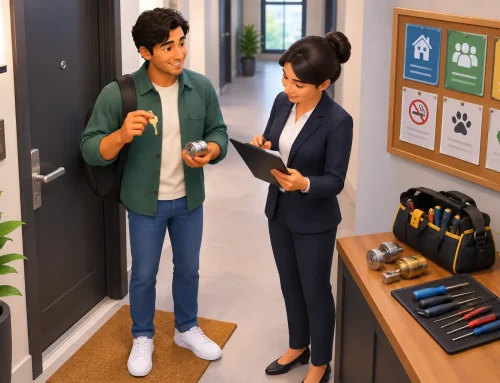
For landlords and property managers, keys can pass through many hands between tenancies. Previous tenants, property staff, maintenance contractors and leasing agents may all have had access at some stage. Rekeying between tenants is a sensible security practice that supports a clean handover and reduces uncertainty for incoming renters.
It can also make day-to-day management easier. A properly planned key system can allow authorised staff access where needed while limiting access to individual units, common areas, storage rooms or plant rooms. For strata properties, the balance matters: convenience for residents and contractors should not create unnecessary access to private or restricted areas.
Tenants should not alter locks or arrange rekeying without checking their lease and speaking with the landlord or agent first. There may be requirements around approved locks, master key systems and providing keys for lawful access.
When businesses should rekey locks
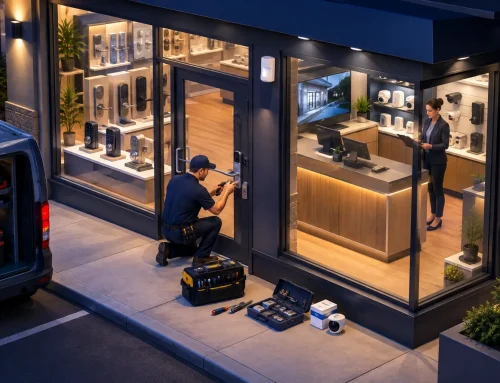
Commercial premises often have a larger key-control problem than homes. Over time, keys are issued to employees, managers, contractors, cleaners, delivery staff and maintenance providers. Without a clear register, it becomes difficult to know who has a current copy.
Rekeying is worth considering after an employee with access leaves, a manager changes, keys go missing, a lease changes hands or a contractor no longer works on site. It is particularly important where keys open stock rooms, server rooms, medicine cabinets, cash areas, warehouses or shared building entrances.
For many businesses, the best answer is not to rekey every door every time a staff member leaves. A master key or restricted key system can create sensible access levels. An employee may only open the doors required for their role, while managers or facilities staff retain broader access. Restricted keys also make unauthorised duplication harder because copies are controlled through approved channels.
A locksmith can review the way your team uses the building and identify where a more structured system would save time and reduce risk. The trade-off is that more complex systems need careful planning and good records, particularly when keys are issued or returned.
Signs you need new locks, not just rekeying
Rekeying is valuable, but it is not a cure for worn or unsuitable hardware. Consider replacement when a lock is difficult to operate, loose, corroded, visibly damaged or regularly jams. A key that sticks, a latch that does not engage properly or a deadlock that feels unreliable should be checked promptly.
Replacement may also be the better choice if your lock is old and does not meet your current security expectations, or if you want to move to a different style of hardware such as keyless entry. For external doors, the lock is only one part of the picture. The door, hinges, frame, strike plate and lighting around the entrance all influence how well the property is protected.
If your locks are working well but you want fewer keys, rekeying may be enough to place compatible doors onto one convenient key. If you want audit trails, timed access or the ability to remove access without collecting a physical key, an electronic access system may suit a commercial property better.
How quickly should you act?
Act immediately where keys have been stolen, a break-in has occurred or a former occupant may still have access against your wishes. In those situations, a 24/7 locksmith response can help secure the property without delay.
For planned changes, such as settlement, a tenancy turnover or an upcoming staff departure, book rekeying ahead of time. Doing it before the handover avoids a period where access is uncertain. Keep enough new keys for the people who genuinely need them, and avoid hiding spares outside where they can be easily found.
Night & Day Locksmiths has supported Canberra homes and businesses for decades with mobile, fully licensed locksmith services, including urgent security work and planned rekeying. A professional assessment can confirm whether rekeying is the right option or whether your property would be safer with repairs, replacement locks or a better access system.
A key should represent clear permission, not a lingering question mark. If you cannot confidently say who holds a key to your home, rental or workplace, it is time to take control of access.