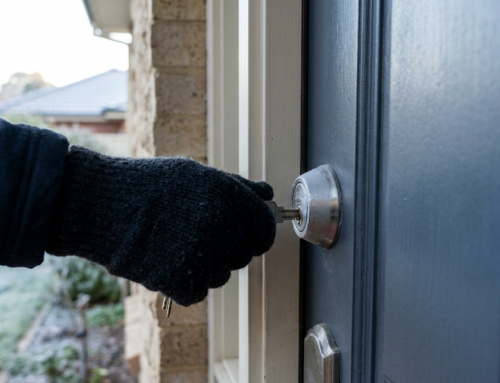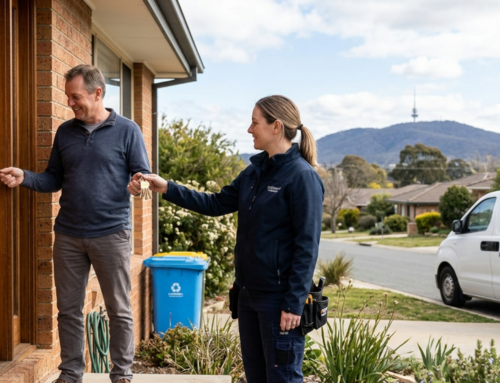
The moment the front door clicks shut with your keys still inside, the problem feels bigger than it is. A qualified locksmith for house lockout assistance can get you back into your home without turning a stressful mistake into damaged locks, a broken window or an expensive security issue.
Whether it is late at night, raining, or you are trying to collect children from school, the priority is simple: get inside safely and protect the property. A calm approach and the right local professional will save time, money and unnecessary worry.
First, make sure it is genuinely a lockout
Before arranging help, check the obvious places without putting yourself at risk. Look for a safely stored spare key, ask a trusted household member if they have one, or check whether another authorised entry point is already open. If you rent, your property manager may hold a key, although their availability is not always useful after hours.
Do not force a door, pry open a window or try to remove lock hardware yourself. These attempts can bend the door frame, damage the lock, break glass and create a larger security problem. They may also cost more to repair than a professional callout.
If a child, older person, pet or someone needing medication is trapped inside, treat the situation as urgent. Call emergency services where there is immediate danger. A locksmith can assist with entry, but emergency services should be your first call when a person’s welfare is at risk.
When a locksmith for house lockout service is the right call
Calling a locksmith is the sensible option when you have no safe way to enter, your key is lost, the key has snapped in the lock, or the lock itself has failed. It is also the right call if you are unsure who may have access to a missing key. Regaining entry is only part of the job – the security of the home afterwards matters just as much.
A professional locksmith can assess the door, lock type and circumstances before choosing the least destructive entry method available. In many cases, entry can be gained without replacing the lock. That depends on the lock, the door construction and whether the mechanism is damaged or compromised.
There are situations where lock replacement is the better outcome. If keys were stolen with identifying information, have been lost near your home, or are unaccounted for after a relationship or tenancy change, simply getting back inside is not enough. Rekeying or changing the lock may be the safer decision.
For Canberra households, a genuine 24/7 mobile locksmith is particularly valuable when a lockout happens outside normal business hours. You should not have to leave your home unsecured overnight just because the key problem happened at an inconvenient time.
What to expect from a professional callout
A reputable locksmith will ask a few practical questions before attending. Expect to be asked for the address, the type of door or lock involved, whether keys are inside or missing, and whether there is an immediate safety concern. This information helps the locksmith arrive prepared and assess the urgency of the job.
Once on site, the locksmith should confirm that you are authorised to access the property. Photo identification showing the address is helpful, but it is not the only way to establish occupancy. A lease, property manager confirmation, or identification found inside after entry may be appropriate depending on the circumstances. This verification protects homeowners, tenants and neighbours from unauthorised access.
The locksmith should explain the likely approach before starting work. If non-destructive entry is possible, that is generally preferred. If the lock is damaged, high-security, or needs replacement for safety reasons, you should be told why and given clear options.
After entry, test the lock and door operation before the locksmith leaves. A door that sticks, a loose strike plate or a worn lock can contribute to future lockouts. Addressing the underlying fault while the locksmith is there is often more practical than arranging another appointment later.
Rekey, replace or keep the existing lock?
The right choice depends on why you were locked out and the condition of the hardware. If the key was simply left inside and all keys are accounted for, keeping the existing lock may be perfectly reasonable once entry has been gained.
Rekeying changes the internal configuration of an existing compatible lock so old keys no longer work. It is often a cost-effective option after moving into a new property, after a tenant change, or when a key has gone missing but the lock itself is in good condition. It gives you a fresh set of keys without necessarily replacing all the hardware.
Replacing the lock may be appropriate when it is worn, damaged, outdated or not providing the level of security you need. It can also be a good opportunity to match locks across external doors, improve key control, or upgrade to a restricted key system. The best option is not always the cheapest one at the time – it is the one that restores reliable access and appropriate security.
How to choose a locksmith when you are under pressure
A lockout makes people vulnerable to rushed decisions. Before approving work, look for an established locksmith that clearly identifies its business, provides emergency availability and can explain its process without vague promises. Licensing, insurance, local experience and a physical business presence are useful signs that you are dealing with a legitimate operator.
Ask about callout charges and likely costs before the work begins, understanding that the final price can depend on the lock type, time of day and whether replacement parts are required. Be cautious of unusually low advertised prices that do not explain after-hours fees, labour or hardware costs.
You also want a locksmith with more than one way to solve the problem. An experienced full-service provider can help with emergency entry, key cutting, lock repairs, rekeying and security upgrades, rather than treating every lockout as an automatic lock replacement. Family-owned Night & Day Locksmiths has provided this kind of around-the-clock support and broader security expertise for Canberra properties since 1979.
Reduce the chance of another house lockout
No prevention method is foolproof, but a few small changes make a real difference. Keep a spare key with a trusted person who lives nearby rather than hiding one in an obvious outdoor spot. A key under a pot, mat or garden ornament is easy for an intruder to find.
If several people need access, consider having properly cut duplicate keys made through a locksmith rather than relying on poor-quality copies. For homes with frequent comings and goings, keyless entry can be worth considering, provided it is professionally selected and installed for the door and household’s needs.
It also helps to build a leaving-the-house routine. Check for keys, mobile and wallet before closing the door, especially if the lock engages automatically. If the door has started catching or the key is difficult to turn, arrange a repair before it fails at the worst possible time.
A house lockout is frustrating, but it does not need to compromise your safety or damage your home. Choose professional help, confirm the security of the lock once you are back inside, and use the experience as a prompt to make your next entry easier and more secure.