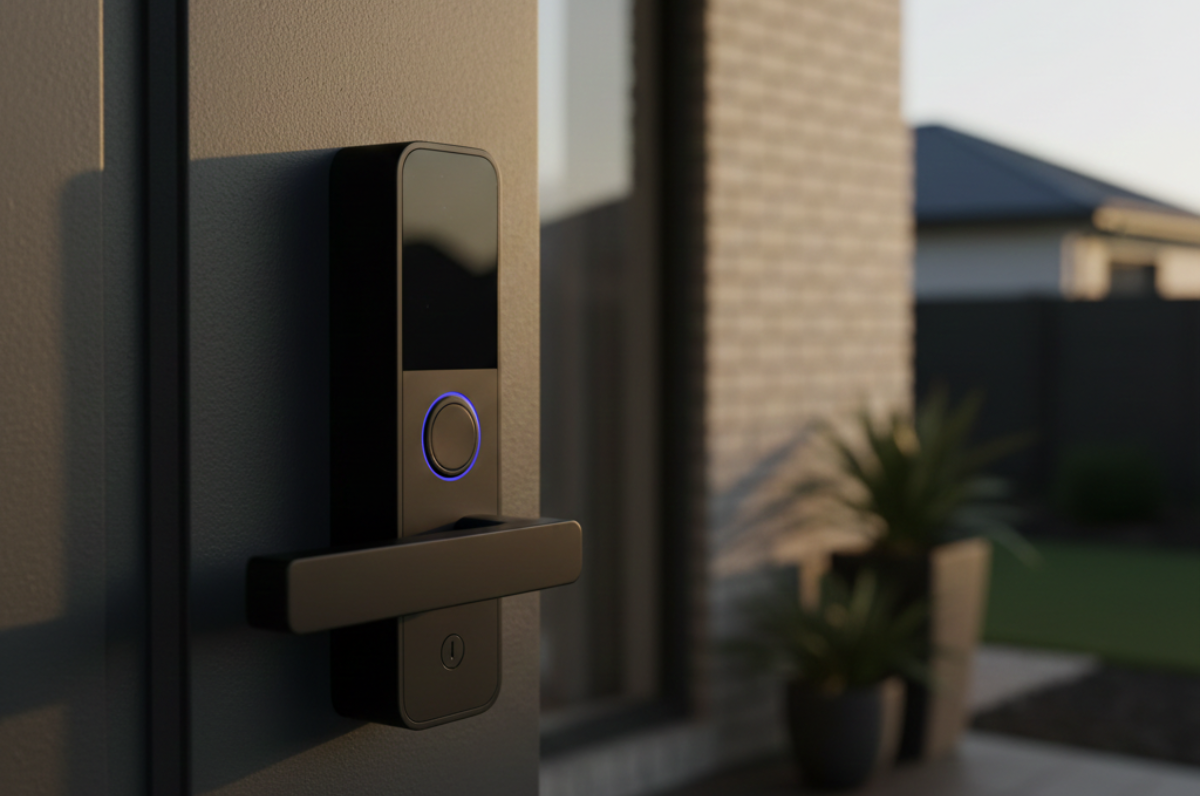
Smart locks are becoming increasingly popular across Canberra, but not every door, household, or lifestyle suits every smart lock. Compatibility depends on much more than just whether the lock connects to your phone. It involves your door type, how the property is used, who needs access, and how reliable the lock will be long term.
This guide explains how smart lock compatibility really works, what to watch out for, and how Night & Day Locksmiths assess whether a smart lock is the right fit for your home or property.
Apple Home, Google Home, and voice assistant compatibility
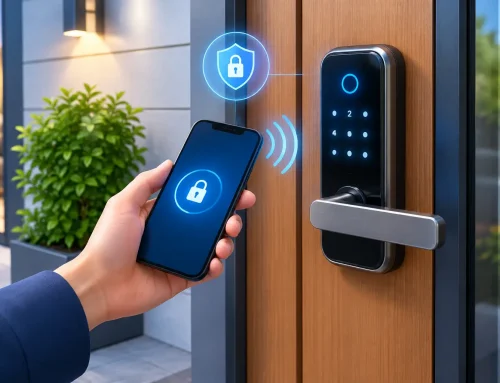
Most modern smart locks integrate with one or more smart home ecosystems, but compatibility is not universal.
Some locks are designed to work seamlessly with Apple Home, allowing control through iPhone, Apple Watch, or Siri. Others focus on Google Home compatibility, enabling voice commands and automation through Google Assistant. Some models also integrate with Alexa or multiple platforms at once.
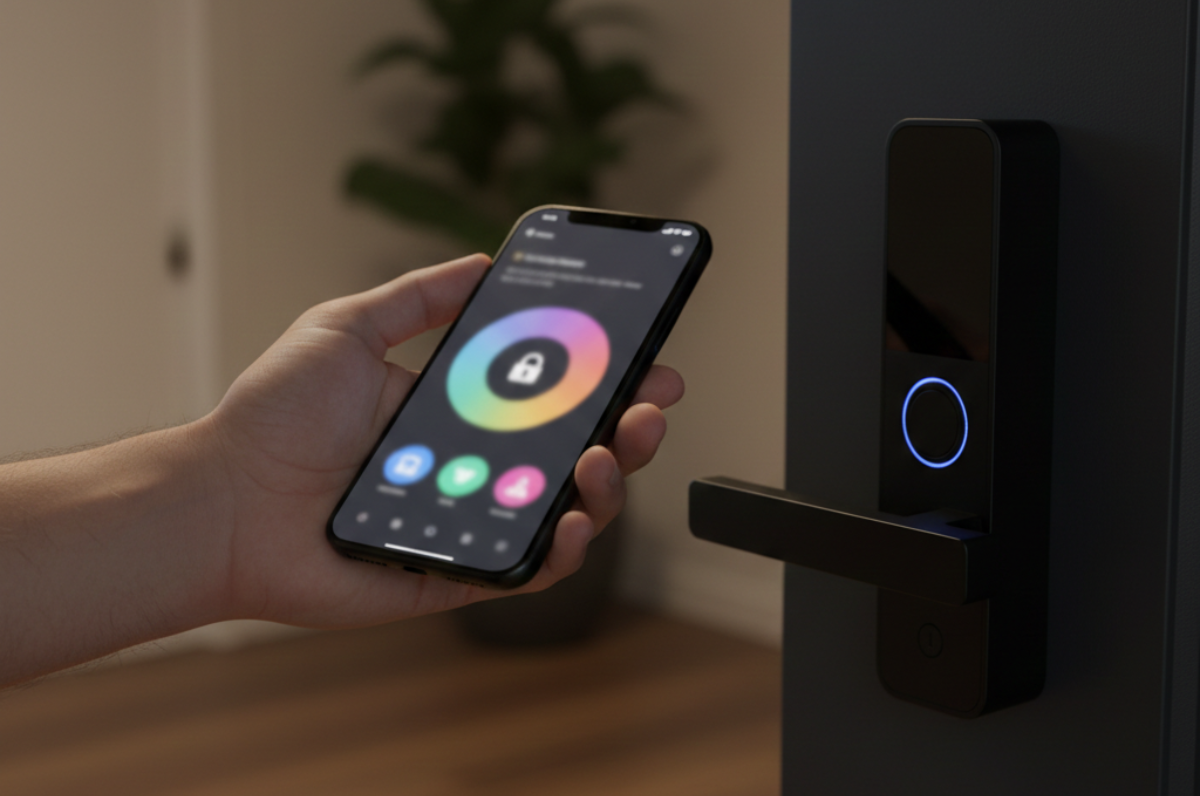
Compatibility depends on the lock model, firmware version, and whether a bridge or hub is required. For example, some Apple Home compatible locks require an Apple home hub device for remote access. Others only allow local Bluetooth control unless additional hardware is installed.
Before choosing a lock, it is important to confirm not just whether it works with your preferred platform, but how it works. Remote access, automation, and voice control can all function differently depending on setup.
Smart lock options suitable for rental properties
Rentals present unique challenges when it comes to smart locks.
Most landlords and property managers prefer non destructive installations that do not permanently alter the door. The good news is that many smart locks are designed to replace existing deadbolts using standard door prep, meaning they can often be removed and returned to the original lock when the tenancy ends.
For rentals, suitable smart locks usually have the following features:
- They use existing holes and hardware sizes
- They do not require drilling into the door or frame
- They allow easy rekeying or reset between tenants
- They provide audit trails or access logs for management
Night & Day Locksmiths regularly work with tenants, landlords, and real estate agents to ensure smart lock installations comply with lease agreements and can be reversed if required.
Kid friendly access and shared user controls
Smart locks can be very practical for families, especially those with children who are not ready to manage physical keys.
Many smart locks allow multiple access methods such as PIN codes, fingerprint access, phone apps, or key tags. This means children can enter the home using a code rather than carrying a key that can be lost.
Shared user controls are an important feature. Good smart locks allow parents to:
- Create unique access codes for each child
- Set time based access rules
- Remove or change codes instantly if needed
- Monitor when doors are locked or unlocked
This level of control adds convenience, but it also requires proper setup. Poorly managed codes or shared logins can reduce security rather than improve it.
Compatibility issues with older doors and frames
Older homes across Canberra often present the biggest compatibility challenges for smart locks.
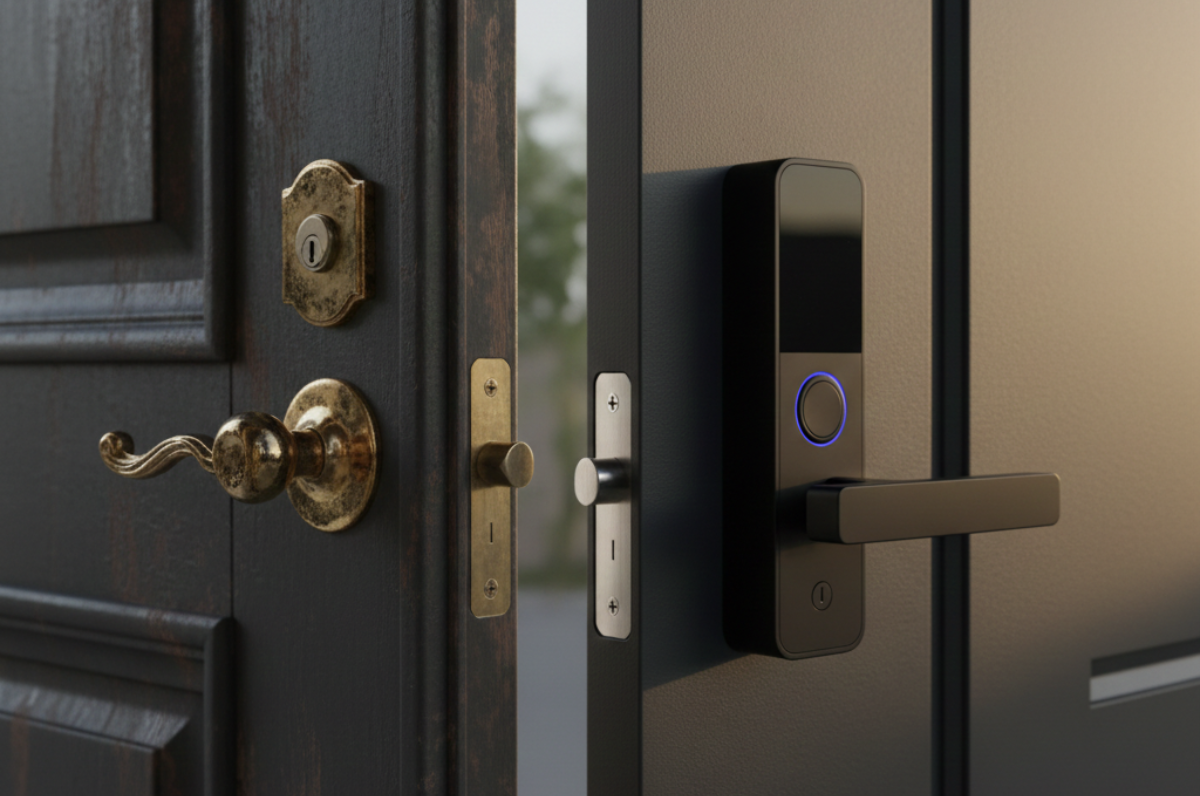
Many older doors were not built to modern standard dimensions. Issues can include non standard backsets, narrow door stiles, misaligned strike plates, or worn timber that no longer holds hardware securely.
Common compatibility problems include:
- Doors that are too thin or too thick for certain smart locks
- Frames that are not square, causing locking alignment issues
- Old mortise locks that are not directly replaceable
- Multiple locking points that complicate installation
In some cases, the smart lock itself is compatible, but the door requires adjustment before installation can be reliable.
When door or hardware modification is required
Not all smart lock installations are completely plug and play.
Some doors require minor modification to ensure the lock works correctly and safely. This can include adjusting the strike plate, reinforcing the door edge, replacing worn hardware, or correcting alignment issues.
In older homes, modifications may be necessary to prevent problems such as motor strain, battery drain, or incomplete locking. These issues often go unnoticed until the lock fails.
Night & Day Locksmiths assess whether modifications are minimal and worthwhile or whether an alternative lock solution is better suited to the door.
Battery life, backups, and lockout prevention
Battery powered locks introduce new considerations that traditional locks do not.
Battery life varies depending on lock model, usage frequency, and environmental conditions. High traffic doors and cold weather can reduce battery performance.
Reliable smart locks include multiple backup options such as:
- Low battery alerts via app or sound
- Physical key override
- Emergency power terminals
- Temporary access codes
Lockouts caused by flat batteries are one of the most common smart lock issues seen by locksmiths. These situations are almost always preventable with proper setup and user awareness.
Common smart lock security mistakes
Smart locks are secure when used correctly, but mistakes during setup or use can compromise safety.
Common issues include using simple or shared PIN codes, failing to remove access for former tenants or contractors, relying solely on app access without physical backup, and ignoring firmware updates.
Another frequent mistake is installing a smart lock on a poorly secured door. A high tech lock does not compensate for a weak frame, damaged hinges, or poor door fit.
Security should always be viewed as a complete system, not just a single device.
How we assess smart lock suitability on site
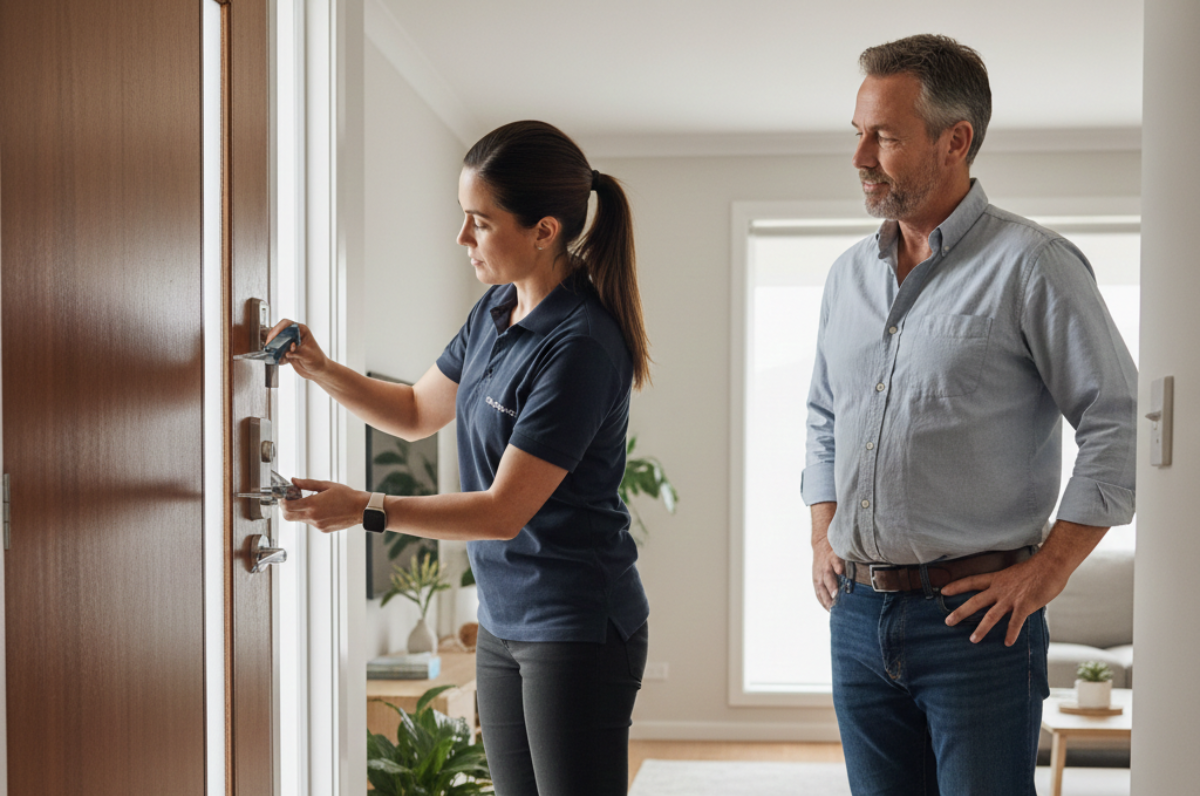
Night & Day Locksmiths do not recommend smart locks blindly.
On site assessments consider the door construction, frame condition, existing hardware, usage patterns, and who needs access. They also factor in whether the property is owner occupied, rented, or managed by a third party.
During an assessment, they look at:
- Door thickness and material
- Lock type and alignment
- Frame strength and condition
- Desired access methods
- Backup and emergency access options
Based on this, they recommend suitable smart lock models or advise against installation if it would create reliability or security issues.
This approach ensures the lock you choose works properly, lasts longer, and suits your lifestyle rather than creating new problems.
If you are considering a smart lock and want expert advice, Night & Day Locksmiths can assess your door and requirements on site and help you choose a solution that actually works.
If you want, I can next prepare the restricted keys and small business systems section, or convert this into an FAQ style page for SEO and AEO.