A lost car key can turn an ordinary day into a stressful stop. If your vehicle uses an electronic chip key, transponder key replacement is more than cutting a new piece of metal. The new key must be correctly matched to your vehicle so it can communicate with the immobiliser and allow the engine to start.
For many drivers, the practical question is simple: can I get back on the road without towing the car to a dealership? In many cases, yes. A properly equipped automotive locksmith can come to the vehicle, assess the key system, cut a replacement and program it on site. The exact process depends on the make, model, year and the condition of any remaining keys.
What a transponder key actually does
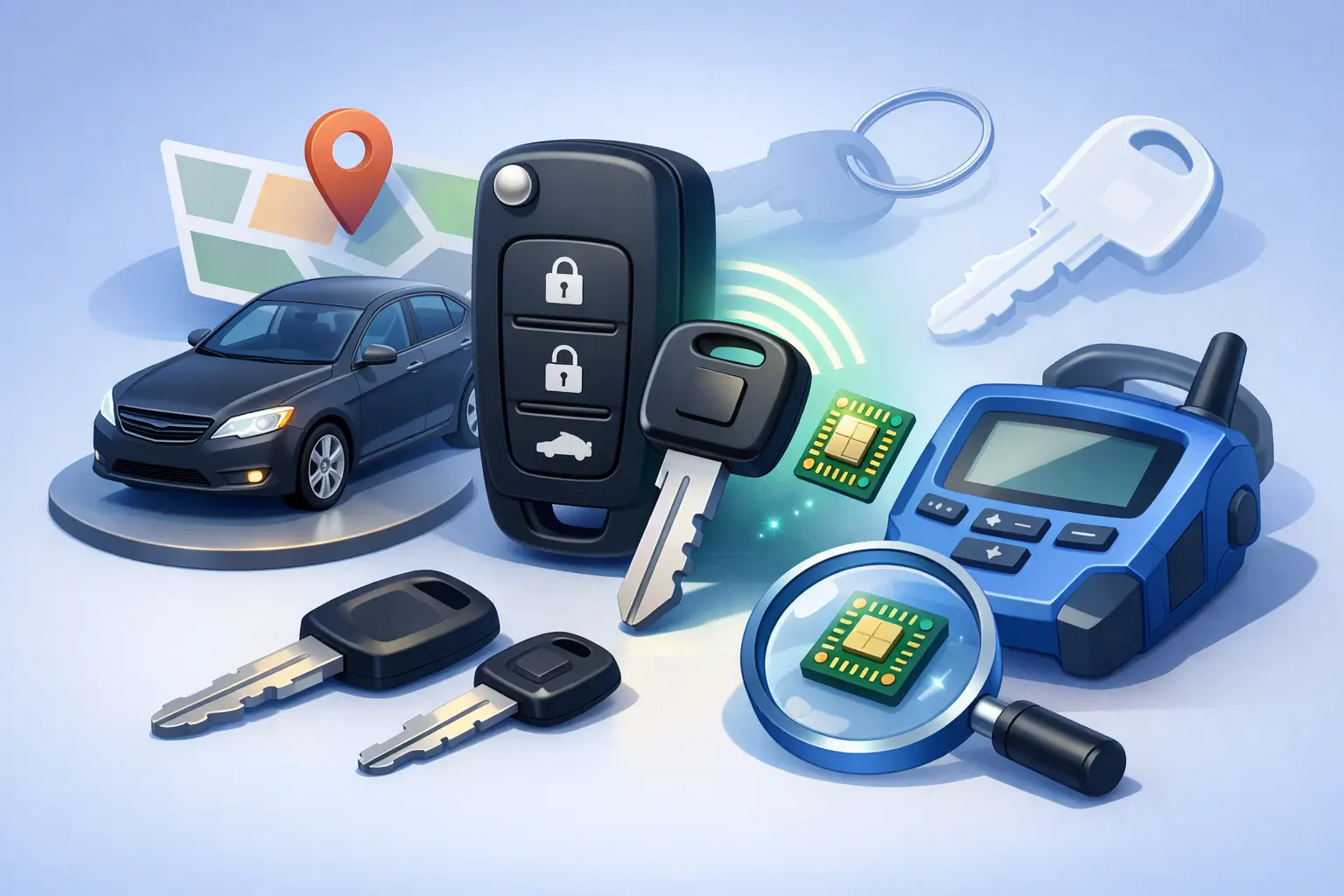
A transponder key contains a small electronic chip, usually hidden inside the plastic head of the key. When you place the key in the ignition or bring it into range in some vehicles, the car reads the chip’s unique code. If the code is recognised, the immobiliser permits the engine to start.
This security feature has been common in Australian vehicles for many years. It helps deter theft because a copied metal blade alone will often open the door but will not start the vehicle. That is why a basic key-cutting service is not enough when the transponder chip is missing, damaged or not programmed.
Not every vehicle uses the same technology. Some have a traditional transponder key and ignition barrel, while others use remote-head keys, flip keys, proximity remotes or push-button start fobs. These systems can all require different equipment, programming methods and replacement parts.
When you need transponder key replacement
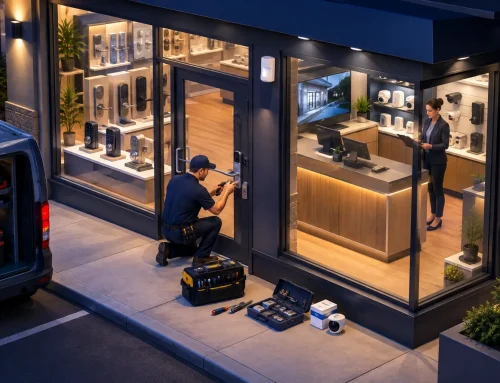
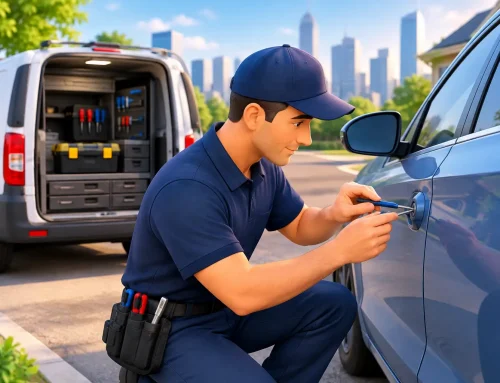
The obvious reason is losing every working key. This situation is urgent, particularly when you are away from home, stranded after work or need the vehicle for family or business commitments. A mobile locksmith may be able to create and program a new key where the car is parked, avoiding the cost and inconvenience of a tow.
Replacement is also sensible when your only remaining key is worn, cracked or unreliable. A key that starts the car intermittently may have a failing chip, damaged remote buttons, a loose blade or an issue with the vehicle’s key reader. Waiting until it stops working entirely can leave you locked out at the least convenient time.
You may also need a new programmed key after buying a used car with only one key. Having a spare is not just convenient. It gives you a workable backup if the original is lost, damaged or accidentally locked inside the vehicle.
What happens during a replacement
A reliable locksmith will first confirm the vehicle details and ownership. Bring photo identification and, where available, registration papers or proof that you are authorised to access the vehicle. This protects you, the vehicle owner and the locksmith.
The locksmith then identifies the correct key or remote type for the car. Depending on the vehicle, they may decode the lock, use manufacturer information or read data from the vehicle’s diagnostic system to cut the blade accurately. The transponder chip is then programmed so the immobiliser can recognise it.
Programming is the part that varies most. Some cars allow a replacement key to be added using diagnostic tools. Others require security codes, an existing working key or more detailed work with the vehicle’s immobiliser system. For certain models, the dealership may be the only practical option due to manufacturer restrictions, software access or unavailable key data. A good locksmith will explain this clearly before work begins.
Finally, the new key should be tested properly. That means checking that it opens the door, turns in the ignition where relevant, starts the engine, and operates remote locking functions if they are included. Do not settle for a key that only starts the car if you have paid for a remote key replacement.
Can a locksmith replace a key with no original?
Often, yes. Losing all keys does make the job more involved, but it does not automatically mean the vehicle must go to a dealer. Automotive locksmiths with the right tools can often generate a new key and program it from the vehicle itself.
The answer depends on the vehicle. Older cars can be straightforward, while newer European models, some smart-key systems and certain late-model vehicles may have tighter security procedures. The vehicle’s location also matters. If it is in an underground car park, has a flat battery or is difficult to access, that can affect the job and callout arrangements.
Why the cheapest key is not always the best choice
Online replacement keys and remotes can look like an easy saving, but quality is uneven. The blade may be poorly cut, the remote casing may not last, the chip may not be compatible, or the key may not be capable of being programmed to your vehicle. A low-cost remote that works briefly is rarely a bargain when it leaves you stranded later.
There is also a difference between a spare key and a full replacement. If you still have one working key, adding a spare can be quicker and less expensive because the locksmith has a functioning key to compare and test. When all keys are lost, the process normally requires more time, programming work and specialist equipment.
Ask what is included in the quoted price. A clear quote should account for the key or remote, cutting, programming, testing and any mobile attendance. If remote buttons, a flip blade or proximity functions are involved, confirm that those features are included rather than assuming every function will work.
What to do if your transponder key stops working
Start with the simple checks. If the remote buttons have stopped working but the car still starts, the remote battery may be flat. Replacing that battery may restore locking and unlocking, but it will not fix an immobiliser problem.
If the key turns but the engine will not start, look for an immobiliser or key warning light on the dashboard. Try a spare key if you have one. If the spare works, the issue is likely with the original key rather than the vehicle. Avoid repeatedly forcing the key in the ignition, as this can damage the key blade or ignition barrel and create a larger repair.
If neither key works, the fault could be with the vehicle battery, ignition, immobiliser antenna, wiring or another mechanical issue. A locksmith can assess the key side of the problem, but a key replacement cannot solve every no-start fault. Straightforward advice at the outset can prevent you paying for work that will not address the real cause.
Keep a spare before it becomes urgent
The most affordable time to arrange a transponder key replacement is usually while you still have a working key. You can choose a convenient time, compare options and keep the spare somewhere safe rather than facing an emergency after hours.
Do not keep both keys on the same keyring or in the same bag. If the bag goes missing, so does your backup. Keep the spare at home with a trusted person, and make sure it is tested occasionally. A spare that has never been programmed or has a flat remote battery is not much help during a lockout.
For Canberra drivers dealing with a lost, broken or unreliable vehicle key, a fully licensed mobile locksmith can bring calm and practical help to a frustrating situation. Night & Day Locksmiths can assess the vehicle, explain the available options and work to get you moving again with a key that has been cut, programmed and tested properly.