The front door clicks shut while the keys are still on the kitchen bench. Your vehicle locks automatically with the fob in the boot. A staff member leaves with the only office key. These are ordinary moments, but they can quickly become expensive, stressful disruptions. The best lockout prevention tips are simple habits and sensible security choices that stop one small oversight from becoming an urgent callout.
For Canberra households, drivers and businesses, prevention is not about carrying a huge keyring or hiding a spare under the doormat. It is about having a reliable system for access, backups and the people who are authorised to use them.
Lockout Prevention Tips for Home and Work
Make a key routine part of leaving
Most lockouts happen when people are distracted, rushed or carrying too much. Build a short check into your departure routine: phone, wallet, keys. Say it quietly if it helps. Before closing a self-locking door, physically check that the keys are in your hand, pocket or bag.
Choose one consistent place for keys at home, such as a hook inside a cupboard near the entry or a bowl away from the edge of a bench. Avoid leaving them beside an open window, mail slot or door where they may be visible or easy to reach. A routine only works if everyone in the household can follow it, including teenagers, carers and regular visitors.
For work premises, nominate a clear handover process at closing time. The last person leaving should know who holds keys, swipe cards and alarm codes. This matters especially for small businesses where access arrangements can become informal over time.
Keep spare keys secure, not obvious
A spare key can save the day, but a poorly hidden one can create a security problem. Under a pot plant, doormat, fake rock or meter box are predictable places that intruders know to check. Do not trade a lockout risk for an avoidable break-in risk.
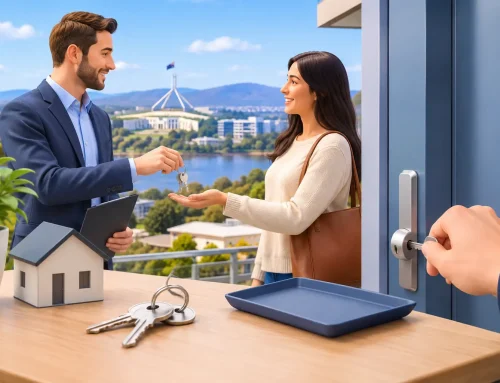
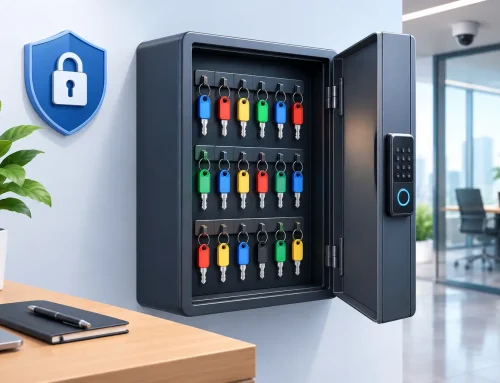
A better option is leaving a spare with a trusted nearby family member, neighbour or friend. Choose someone who is usually local, reliable and comfortable being contacted outside business hours. If that is not practical, consider a professionally fitted key safe in a discreet, appropriate location. The key safe itself must be of good quality, properly mounted and used with a code that is not shared widely.
For rental properties, check your tenancy arrangements before installing anything permanently. Property managers should also keep accurate records of who holds management keys and when copies have been issued.
Have more than one authorised keyholder
One person holding the only usable key is a weak point. At home, make sure at least two responsible adults have access where possible. If a family member loses a key, travels unexpectedly or is unavailable, you still have a safe way in.
For businesses, this is even more important. A manager, owner or facilities contact should not be the sole keyholder for a shop, warehouse, strata site or office. Allocate access based on need, then document it. Keep an up-to-date list of keyholders, cards, fobs and alarm users, and review it whenever staff change.
There is a balance to strike. Giving keys to too many people weakens control, while giving them to too few creates lockout and continuity risks. Restricted key systems can be useful for premises that need tighter control over copies and access permissions.
Replace worn keys before they fail
Keys do not last forever. Bent blades, worn teeth, cracked plastic heads and loose remote fobs are early warnings, not inconveniences to ignore. A damaged key can break in a lock, fail to turn when you need it or damage the cylinder over time.
Have a quality duplicate cut while the original still works well. Avoid relying on a copy of a copy, particularly for older house keys, as each generation can become less accurate. If the lock feels stiff, do not force the key. A locksmith can assess whether the issue is the key, cylinder, alignment or internal mechanism.
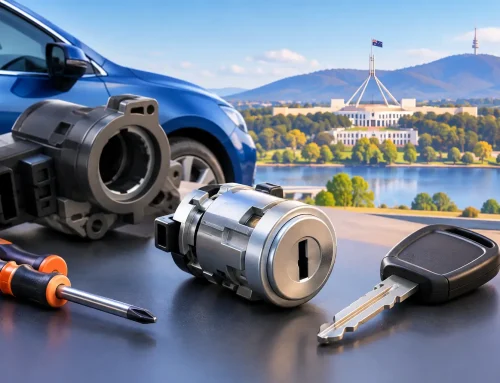
The same applies to vehicle keys. A weak remote battery, damaged transponder shell or intermittent button should be dealt with before it becomes a stranded-car problem. Keep an eye on any warning signs rather than hoping the key works one more time.
Check your doors before relying on them
A lockout is not always caused by forgotten keys. Doors can swell, sag or shift with weather and age, causing latches and deadbolts to bind. A door that needs a hard shove to close may eventually lock when it should not, or refuse to open when you need it to.
Test external doors periodically from both sides. Confirm that keys turn smoothly, handles retract the latch cleanly and the door closes without force. Sliding doors, garage access doors and side gates deserve the same attention, particularly if they are used as everyday entry points.
If a lock has become unreliable, arrange repairs early. Trying to manage a failing lock by leaving it unlocked, wedging a door or forcing a key creates a larger security and safety issue.
Preventing Vehicle Lockouts
Modern vehicles can be convenient, but automatic locking features have caught out plenty of careful drivers. Before shutting the boot or locking the ute, make it a habit to check that the key or fob is on your person. This is particularly useful when loading shopping, sports gear, tools or prams, when keys are easily set down out of sight.
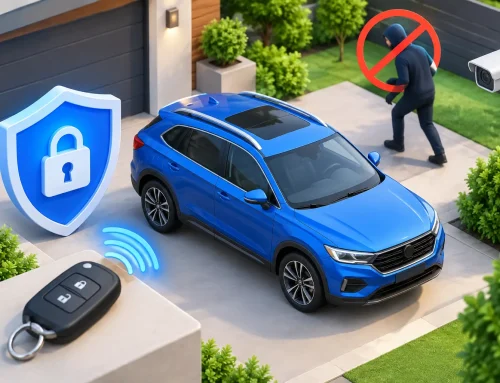
Keep a spare vehicle key in a secure place away from the vehicle, not hidden underneath it or in an obvious magnetic box. If you share a vehicle, make sure both drivers know where the spare is kept and whether it has a working battery and transponder.
Do not leave a spare key inside the glovebox, console or boot. It may seem convenient, but it does not help during a lockout and can create problems if the vehicle is stolen. If your car is prone to self-locking, ask a qualified automotive locksmith whether there are settings or practical options that suit your vehicle model.
Protect keys from loss and damage
Key trackers can be helpful for people who regularly misplace keys, but they are not a complete answer. They rely on battery power, mobile coverage and the keyring being within range of another device. Use one as an extra layer, not as permission to be careless with your keys.
A sturdy, clearly identifiable keyring can also help, provided it does not reveal your home address. Avoid tags displaying your full name, unit number or workplace. If keys are lost with identifying details, it may be safer to rekey or change the affected locks than to wait and hope they are returned.
Use Technology With a Backup Plan
Keyless entry, smart locks and access control can reduce the number of physical keys in circulation. They can be particularly useful for offices, short-term access needs and homes where family members come and go at different times. You can remove access without collecting a key, and some systems provide useful entry records.
However, electronic access still needs a backup plan. Batteries go flat, phones are left behind, codes are forgotten and hardware can fail. Keep emergency physical access where suitable, know how to use any mechanical override, and make sure authorised users understand what to do if the system is offline.
Before choosing a smart lock or keypad, consider the door type, exposure to weather, number of users and whether you need a higher-security or restricted access solution. The cheapest option is not always the right one for a busy commercial entry or a home with multiple occupants.
What to Do When a Lockout Still Happens
Even excellent planning cannot prevent every lockout. If you are locked out, pause before trying to force a door, pry a window or use improvised tools. These attempts often damage locks, frames, weather seals and vehicles, turning a straightforward entry job into a repair.
Check whether a legitimate spare keyholder can help and ensure you are in a safe, well-lit place while you wait. For children or vulnerable people locked inside, a vehicle with a child or pet trapped in dangerous conditions, or an immediate safety concern, contact emergency services first.
For ordinary lockouts, a fully licensed locksmith can gain entry using appropriate methods and assess any underlying issue with the lock or key. If the same problem has happened twice, treat it as a sign that the access arrangement needs changing. A small improvement made now is usually far easier than another late-night scramble later.
Night & Day Locksmiths has helped Canberra locals with urgent lockouts since 1979, but the best callout is often the one a sensible spare-key plan, well-maintained lock and reliable access routine can prevent.