A key that suddenly will not turn can stop a normal day in its tracks. You may be parked at home, outside work or at the shops, with a vehicle that has power but will not start. Ignition barrel replacement is often the answer, but it is not the only possible cause. A qualified automotive locksmith can identify whether the fault is in the barrel, key, ignition switch or steering lock before recommending the right repair.
What an ignition barrel does
The ignition barrel is the mechanical lock cylinder where you insert and turn your key. Its job is to recognise the correct key cuts and allow the key to rotate through the accessory, ignition and start positions. On many vehicles, turning the barrel then activates an electrical ignition switch behind it.
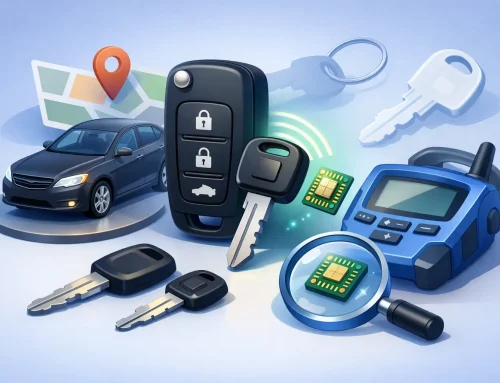
This distinction matters when diagnosing a no-start problem. A worn ignition barrel may prevent the key from turning at all. An electrical ignition switch fault may allow the key to turn, but leave the dash lights, accessories or starter behaving unpredictably. Modern vehicles can also have transponder, smart-key or immobiliser issues that need separate testing.
An experienced locksmith will assess the symptoms rather than replace parts unnecessarily. That can save time, avoid repeat call-outs and help preserve the security of your vehicle.
Signs you may need ignition barrel replacement
The most obvious warning sign is a key that will not turn, even when you gently move the steering wheel. Sometimes the key may only work after several attempts, or it may need to be held in an awkward position. That is not a problem to ignore. Internal pins and wafers wear over time, and a barrel that works intermittently can eventually fail completely.
Other common signs include a key that is difficult to insert or remove, a barrel that feels loose, or a key that turns without properly engaging the ignition. You may also find the key gets stuck in the accessory position, leaving the battery at risk of going flat.
Wear is common in older vehicles, especially those used heavily for work, deliveries or family transport. A well-used ute, van or fleet vehicle may have had the same key in the ignition thousands of times. Damage can also follow a break-in attempt, a bent key, a key ring carrying excessive weight, or a foreign object lodged in the barrel.
If the key has snapped inside the ignition, do not try to force the remaining piece out with a screwdriver, pliers or glue. These attempts can damage the barrel further and make a straightforward extraction more involved. A locksmith has the correct tools to remove broken key pieces with minimal disruption.
Rule out the simple causes first
Before arranging an ignition repair, try your spare key if you have one. Keys wear too. The sharp edges of a new key gradually become rounded, which can stop it lifting the barrel’s internal components correctly. If the spare works smoothly, the original key may simply need to be cut again from a suitable source.
If the steering lock has engaged, apply gentle pressure to the steering wheel in both directions while turning the key. Do not force it. The wheel can place tension on the locking mechanism, particularly when the wheels were turned as the vehicle was parked.
Avoid lubricating the barrel with household oils or heavy sprays. They can attract dust and grit, making internal wear worse over time. The wrong product may also leave residue on delicate components. If the key remains difficult to turn, a professional inspection is the safer next step.
When replacement is the sensible option
Ignition barrel replacement is usually recommended when the internal mechanism is worn, damaged or jammed beyond reliable repair. It may also be necessary after a theft attempt, where keeping the existing barrel could leave your vehicle easier to compromise.
The right solution depends on the vehicle and the condition of its existing locks. In some cases, a locksmith can repair the barrel or rebuild it to suit your current key. This means the door locks and ignition can continue to operate from one key, which is generally the most convenient outcome.
In other situations, fitting a replacement barrel is more practical. A new barrel may arrive with a different mechanical key pattern, so it may need to be coded or reconfigured where possible. Without this step, you could end up using one key for the doors and another for the ignition. That arrangement can work, but it is rarely the preferred option for a daily driver.
For vehicles with transponder keys, replacement also needs to account for the immobiliser. The metal key blade may turn the barrel, but the vehicle may not start unless the transponder is programmed correctly. This is why an automotive locksmith’s diagnostic and key-programming capability is just as valuable as the mechanical repair itself.
What happens during an ignition barrel replacement
A professional job starts with confirming the fault and checking the vehicle’s ownership details. Security matters. Replacing or decoding an ignition component should only be carried out for an authorised owner or driver.
The locksmith will then gain access to the ignition assembly without causing unnecessary damage to steering column trims or surrounding components. Depending on the make and model, the old barrel may be removed, repaired, decoded or replaced. The new or rebuilt barrel is tested for smooth operation through each key position.
Where required, the locksmith can cut a new key and program its transponder or remote functions. They should also test that the vehicle starts consistently and that the steering lock, doors and central locking operate as expected. A proper final check is particularly valuable because ignition faults can sometimes mask an additional issue with the key, ignition switch or vehicle battery.
The time required varies. A simple mechanical issue can often be handled on site, while some late-model vehicles, damaged assemblies or parts-dependent repairs may take longer. Clear advice on the likely work and costs before proceeding helps you make an informed decision.
Why a mobile automotive locksmith is often the practical choice
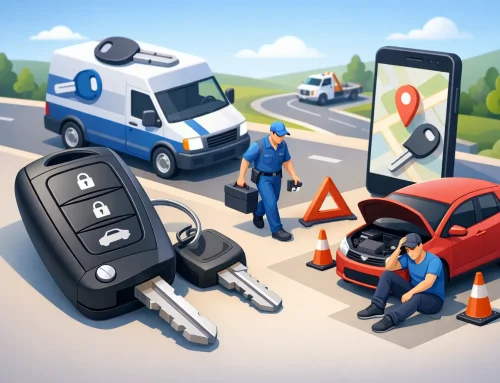
When the ignition will not turn, towing the vehicle to a dealership or workshop can be inconvenient and expensive. A mobile automotive locksmith can come to the vehicle, assess the fault and complete many repairs where it is parked.
This is especially helpful when you are stranded after hours, your vehicle is blocking a driveway, or a work vehicle needs to return to the road quickly. It also reduces the risk of trying to force the ignition or moving a vehicle with a locked steering column.
Dealerships can be appropriate for some manufacturer-specific faults, particularly where specialist electronic modules or warranty work are involved. However, an established locksmith is often a faster option for key, barrel, lock and transponder-related problems. The best path depends on the vehicle, the nature of the fault and the availability of parts.
Can you prevent ignition barrel problems?
No ignition barrel lasts forever, but a few sensible habits can reduce unnecessary wear. Use a key that is in good condition and avoid loading a heavy bundle of keys onto the ignition key ring. The repeated movement and weight can place strain on the barrel and steering column components.
Have a spare key made before the original becomes badly worn or damaged. A spare is useful not only during a lockout, but also as a comparison when an ignition starts becoming temperamental. If one key works and the other does not, you have a clearer indication of where the issue lies.
Act early if the barrel begins sticking. Waiting until it fails completely can leave you stranded at the least convenient time. A prompt inspection may allow for repair rather than a more extensive replacement.
For Canberra drivers, Night & Day Locksmiths provides licensed mobile automotive locksmith support when an ignition problem leaves a vehicle off the road. Whether the key will not turn, has broken in the barrel or needs programming after a repair, getting the fault assessed properly is the quickest way to protect your vehicle and get moving again.
A sticking ignition is rarely something that improves with use. Keep your spare key handy, avoid forcing the mechanism, and arrange professional help before a minor warning sign becomes a vehicle that cannot start.