A lockout rarely happens at a convenient time. It might be late at night, in the rain, while children are waiting in the car, or just as you need to open your business for the day. Understanding how locksmiths open doors can take some of the uncertainty out of the situation: a professional locksmith works to confirm authority, gain entry with the least disruption possible, and leave the property secure afterwards.
For homes, businesses and vehicles, the right approach depends on the door, lock, key system and reason access has been lost. A fully licensed locksmith does not treat every job the same, and should never make damaging entry the first option.
How locksmiths open doors safely
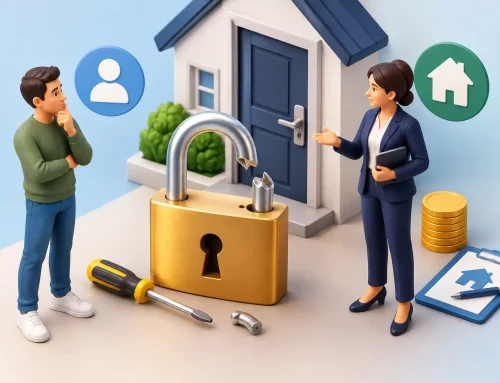
Professional door opening begins before any tools are used. The locksmith assesses the situation from the outside, checks the type and condition of the lock, and asks what has happened. A key left inside, a broken key, a worn lock, a failed electronic credential and a damaged door are different problems, even though each can leave you standing outside.
The first priority is always authorised entry. Locksmiths will ask for identification or another reasonable form of proof that you live at, manage or have permission to enter the property or vehicle. If your identification is inside, they may be able to confirm details after entry, or work with a landlord, property manager, building representative or police where appropriate. This protects customers and prevents access being given to the wrong person.
Once authority is established, the locksmith chooses the least invasive practical method. The goal is to preserve the lock, door, frame and surrounding hardware wherever possible. In many routine lockouts, a skilled technician can restore access without replacing the lock. That is particularly valuable for rental properties, commercial premises with restricted keys, and doors fitted with more specialised hardware.
Assessment determines the method
A locksmith will look at far more than the keyway. The door material, whether it opens in or out, the type of handle, latch, deadlock, door closer, security screen and any visible damage all affect the job. So does the age of the lock. Older locks may be worn internally, while newer systems can include electronic, restricted or high-security components that require a different response.
If the lock has simply failed or a key has snapped, the locksmith may need to address the fault before the door can be opened. If there has been an attempted break-in, forced entry may already have bent the latch, split the strike area or damaged the cylinder. In that case, getting inside is only part of the work. The door must also be made secure again.
This is why a reliable locksmith will avoid promising a single method over the phone. A clear description and photos can help estimate the job, but the final approach should be based on what is actually fitted to the door.
Non-destructive entry is usually preferred
Where the lock and door are in serviceable condition, locksmiths use specialist techniques and purpose-built equipment to manipulate, service or otherwise address the locking mechanism without unnecessary damage. These are professional skills developed through training and experience, not shortcuts suited to household tools or online videos.
Non-destructive entry is not a guarantee in every case. Some locks are damaged beyond repair, some keys break in a way that affects the mechanism, and some security products are specifically designed to resist covert entry. A competent locksmith will explain the likely trade-off before proceeding. If replacement is required, they should discuss suitable options rather than fitting the first available lock.
For a homeowner, this may mean matching the replacement to existing doors and keying. For a business, it may mean preserving a master key system, maintaining fire and egress compliance, or ensuring restricted keys remain controlled.
When a lock needs to be repaired or replaced
Sometimes the most sensible outcome is not simply opening the door. A lock that has become unreliable can leave you locked out again, or worse, fail to properly secure the property. After access is restored, the locksmith may inspect the lock, latch, hinges, strike plate and door alignment to identify why the problem occurred.
A lock may need attention because its internal components are worn, the key has become too worn to operate it consistently, the door has moved with seasonal changes, or the hardware has been damaged. Repeatedly forcing a stiff key or slamming a misaligned door can turn a small issue into a complete failure.
Rekeying can be a practical alternative when the lock itself is in good order but control of existing keys is a concern. This is often useful after moving into a new home, following a tenancy change, after keys have been lost, or when staff members leave a business. Rekeying changes which key operates the existing lock, while replacement may be better where the lock is outdated, damaged or no longer provides the level of security required.
Commercial doors need a broader security view
Opening a commercial door can be more complex than a standard residential callout. Offices, warehouses, strata buildings and retail premises may have master key systems, restricted keyways, access control, panic hardware, door closers or multiple points of entry. The person requesting access may not be the building owner, so authority checks are especially important.
A professional locksmith considers how entry work will affect the whole system. Opening one office should not compromise every other door on the premises. Replacing a cylinder should not accidentally remove access for authorised staff or interfere with a master key arrangement. For businesses, the best result is often a prompt restoration of access followed by a planned review of keys, credentials and weak points.
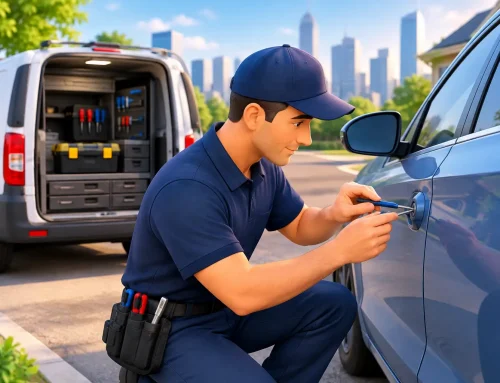
If a commercial lockout occurs outside business hours, the aim is to reduce downtime without sacrificing security. That is one reason established 24/7 locksmiths carry a broad range of equipment and replacement hardware in their mobile vehicles.
Vehicle lockouts are handled differently
Vehicle entry requires care because modern cars combine mechanical locks, electronic immobilisers, alarms and sensitive door components. The approach differs between makes, models and years, and access should only be provided after ownership or authorised use is confirmed.
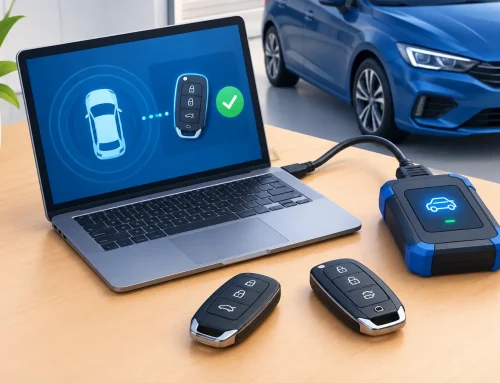
In some cases, the issue is not the door at all. A flat remote battery, damaged transponder key, failed ignition or lost programmed key can make it appear that the vehicle is locked out when the underlying issue is electronic. An automotive locksmith can assess whether a replacement key, transponder programming, ignition repair or another service is required.
Trying to force a vehicle door can damage weather seals, window mechanisms, trim, paintwork and electronic systems. It can also create an expensive repair that outweighs the cost of calling a qualified mobile locksmith.
What to do while waiting for a locksmith
Stay somewhere safe and keep your mobile charged if possible. Have photo identification, tenancy details, vehicle registration or contact information for a landlord, building manager or property representative ready. Give a clear description of the door, lock and circumstances, including whether anyone vulnerable is inside.
Do not keep trying improvised methods. They can damage the lock, door frame or glass, make non-destructive entry less likely, and create a security issue after the immediate problem is solved. If there is immediate danger to a child, person, animal, or a serious medical or fire risk, call 000 first.
For Canberra customers, Night & Day Locksmiths provides around-the-clock mobile assistance backed by decades of local locksmith and security experience. A professional response should be calm, clear about the work required, and focused on getting you safely back inside.
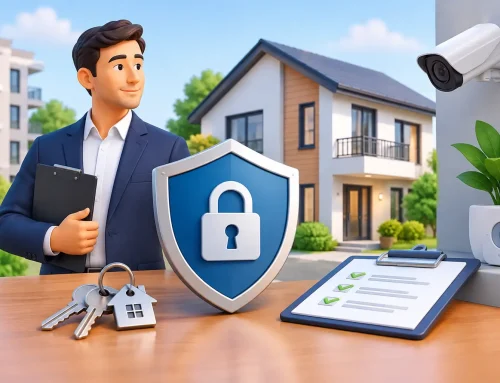
A lockout is stressful, but it does not have to become a damaged door or a long-term security problem. Choose a licensed locksmith who verifies authority, explains the options, and checks that your property is properly secure before they leave.