
A set of keys returned at the end of a lease is not always the full security picture. Copies may have been made for a partner, cleaner, family member or previous housemate, and not every copy is necessarily handed back. This tenant change rekey example shows why rekeying is often a sensible, cost-effective part of preparing a Canberra rental property for its next occupants.
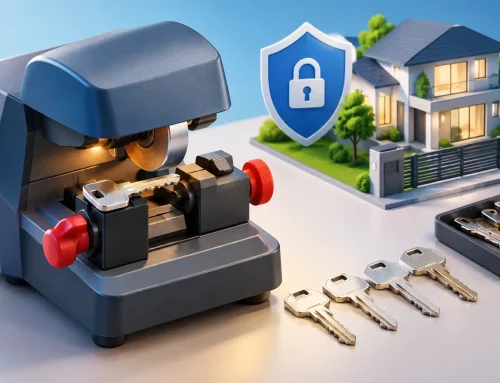
Rekeying does not usually mean replacing every lock on the property. A licensed locksmith changes the internal configuration of the existing lock cylinder so old keys no longer operate it, then supplies a new set of keys. For landlords and property managers, it is a practical way to restore control of access between tenancies without replacing good-quality hardware unnecessarily.
A tenant change rekey example in practice
Consider a three-bedroom townhouse at the end of a 12-month tenancy. The outgoing tenant returns two keys to the front door, one key to the rear sliding door and a garage remote. During the final inspection, the property manager notices that the rear door key also operates the front door, but the laundry door has a different key. There is also a small key safe fixed near the meter box, and nobody can confirm who knows its combination.
Rather than assume the returned keys are the only ones in circulation, the property manager arranges a locksmith visit before the new tenancy begins. The locksmith checks each access point, identifies which locks can be keyed alike and confirms that the existing cylinders are in serviceable condition.
The front and rear doors are rekeyed to a new key combination. The laundry cylinder is also rekeyed so one new key operates all three external doors. The key safe code is changed, the garage remote is checked, and the property manager receives the agreed number of new keys for handover. Old keys no longer work.
The result is straightforward: the incoming tenant receives controlled access, the owner avoids the cost of replacing functional locks, and the managing agent has a clear record of the work completed. If the locksmith finds a worn lock, damaged strike plate or a door that does not latch correctly, those issues can be addressed before they become an after-hours callout.
Why returned keys are not enough
A key register is useful, but it cannot guarantee that no duplicate exists. Many standard keys can be copied quickly, and informal sharing is common over the life of a tenancy. A former tenant may have given a spare key to a neighbour, tradesperson or relative with no bad intent at all. Once the tenancy ends, however, access needs to be brought back under the owner or manager’s control.
Rekeying also protects the outgoing tenant. It removes any suggestion that they retain access after handing the property back. That is particularly helpful where there has been a share-house arrangement, a relationship breakdown, a change in occupants or uncertainty about who has held keys.
For a property manager, the strongest reason is consistency. When rekeying is included in the changeover process where appropriate, security is not left to guesswork or dependent on a tenant’s recollection of every spare key made during the lease.
Rekeying versus changing locks
These terms are often used interchangeably, but they describe different jobs. Knowing the difference helps owners make a sensible decision.
A rekey changes the pins or components inside a compatible cylinder. The lock furniture, door preparation and most of the existing hardware stay in place. It is generally the right choice when the lock is working properly, meets the property’s security needs and the concern is who may still have an old key.
A lock change replaces the lock or cylinder with new hardware. This is usually more suitable when a lock is damaged, unreliable, outdated, incompatible with the other doors, or does not provide the level of security required. It may also be the better option after a forced entry attempt or where a property owner wants to move to restricted keys, deadlocks or electronic access.
It depends on the lock type and its condition. A locksmith should inspect the hardware rather than recommend replacement as a default. Good locks should not be discarded simply because a tenancy has changed, but weak or failing locks should not be rekeyed and forgotten.
What should be checked at a tenancy change
A proper changeover check looks beyond the front door. External gates, rear doors, garages, storage cages, letterboxes, common-area doors and window locks can all affect security. In apartment buildings and strata properties, some doors may form part of a managed master key system, so changes need to be handled carefully to avoid affecting authorised access elsewhere.
The locksmith should also check that doors close and latch cleanly. A quality deadlock cannot do its job if a warped door, loose strike plate or misaligned frame prevents it from engaging properly. This is an especially common issue in properties that have experienced movement, heavy use or weather exposure.
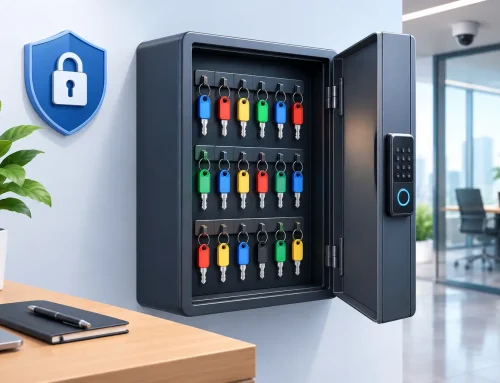
For managed properties, keep a simple record of the date, locks addressed, number of keys issued and who received them. This supports a controlled handover and makes future maintenance easier. It is also worth confirming that keys are labelled securely. Avoid tags that identify the full property address if keys are lost.
When rekeying should happen
The best time is after the outgoing tenant has fully vacated and before the incoming tenant receives keys. This gives trades, cleaners and inspectors access while the property is being prepared, then allows the final keying arrangement to be set for the new occupants.
In some cases, rekeying should happen sooner. If keys are reported lost, there has been a break-in, a tenant has concerns about unauthorised entry, or a relationship situation creates a safety risk, contact a locksmith promptly. Security concerns do not always fit neatly into a standard changeover timetable.
Landlords and agents should also consider their obligations under the relevant tenancy agreement, ACT requirements and any strata rules. The right process can vary depending on the property and circumstances. A locksmith can advise on the physical security work, while tenancy-specific questions should be confirmed through the appropriate property management or legal channels.
Choosing the right key system for a rental
For a single residential rental, keyed-alike external doors are often the most convenient option. One key for the front, rear and side entry reduces key clutter and helps tenants secure the property properly.
For larger portfolios, offices, warehouses or strata sites, a master key system may be more practical. It can allow different users to access only the areas they need while retaining authorised management access. This needs careful planning, accurate records and a locksmith experienced in commercial and restricted key systems.
Restricted keys offer another level of control. They are designed to limit unauthorised duplication, which can be valuable for property managers, high-turnover rentals and sites with multiple contractors. They cost more than standard keys, so they are not necessary for every property. But where key control matters, they can prevent a small convenience from becoming a long-term access problem.
Avoid the shortcuts that create future problems
Changing only the front-door lock while leaving the rear door, garage and side gate untouched can leave a gap in security. So can handing over keys before confirming that old keys have been cancelled from the relevant locks. Another common mistake is installing mismatched hardware over time until every door needs a different key.
A planned rekey can simplify the property instead. It creates a clear starting point for the new tenancy and gives the owner a chance to fix small faults before they turn into a lockout, a damaged door or an unhappy tenant.
For Canberra landlords, agents and tenants, a tenancy change is more than paperwork and cleaning. It is the moment to make sure access is known, controlled and working as it should. Night & Day Locksmiths can assess the locks on site, rekey compatible hardware and help make the handover safer without unnecessary disruption.