You have finished the shopping, walked back to the car and checked every pocket twice. The keys are not there. If you are searching for lost car key what to do, start by slowing down. A rushed decision can leave your vehicle unsecured, damage a modern key system or cost more than it needs to.
Whether your car is parked at home, in a shopping centre car park, outside work or on the side of the road, there are practical steps that protect both you and your vehicle. The right solution depends on the type of key, whether you have a spare and where the car is located.
Lost car key: what to do first
Before arranging a replacement, take a short, methodical look. Retrace your last few stops, check bags, jacket pockets, the footwell, under seats and around the vehicle. It is surprisingly common for a key to slide beneath a seat or be left in a shopping bag.
If you have been in a public place, contact the venue’s lost property desk. Do not post a detailed description of your car, number plate or address on social media while you are looking. If someone has found both your keys and information that identifies where the car is kept, it creates an unnecessary security risk.
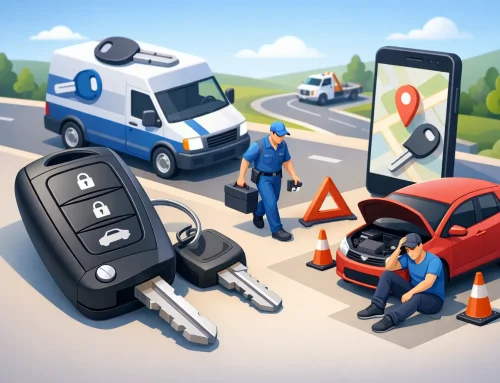
Once you are confident the key is genuinely lost, focus on three things: getting safely home or back on the road, securing the vehicle and arranging the correct replacement. If you are stranded in an unfamiliar or poorly lit area, move to a safe place if possible and call for assistance rather than waiting alone beside the vehicle.
Check whether a spare key is available
A spare key can be the quickest answer, but only if it is accessible. Ask a family member, housemate or trusted colleague to check the usual storage spot. Avoid keeping your only spare inside the car, in a magnetic box underneath it or in an obvious hiding place near your front door.
If a spare is available, it may get you moving immediately. However, it does not automatically remove the risk from the lost key. If there is a realistic chance that the key was stolen, or that it was lost near your home or workplace, speak with an automotive locksmith about removing the missing key from the vehicle’s system and programming a replacement.
Keep the vehicle secure
If the car is unlocked, lock it using your spare key, remote app or manual door lock if appropriate. Take valuables out of sight and do not leave registration papers, mail or anything showing your home address in the glovebox.
Where the vehicle cannot be secured or is parked somewhere it may be towed, arrange professional help promptly. A fully equipped mobile locksmith can often attend the vehicle, verify ownership and create a working key on site, avoiding the need to organise a tow to a dealership.
The replacement method depends on your key
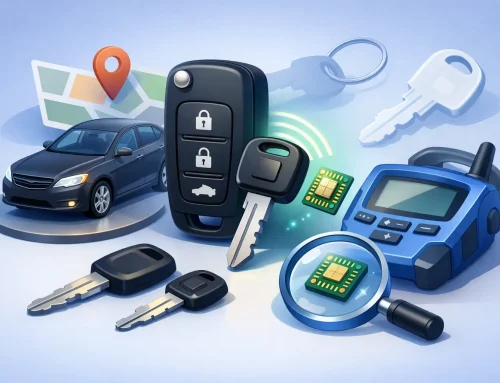
Car keys are not all the same. A basic metal key is generally straightforward to cut, while a modern smart key can involve programming, remote functions and immobiliser security. Knowing what you had helps set realistic expectations when you call for assistance.
Traditional metal keys
Older vehicles may use a plain metal key with no electronic chip. In some cases, a locksmith can cut a replacement from an existing spare or determine the required key code. If the key also operates the ignition, the replacement must be cut accurately. A poorly cut key can stick, wear quickly or cause issues in the ignition barrel.
Transponder keys
Many vehicles use a transponder chip inside the key head. The chip communicates with the vehicle’s immobiliser, allowing the engine to start. A new key may need both cutting and programming. A key that turns in the ignition but will not start the engine is often missing the correct transponder programming.
Remote and smart keys
Remote fobs, proximity keys and push-button start systems add another layer of convenience, but replacement can be more involved. The correct key or remote must be compatible with the vehicle, then programmed so its locking, starting and security functions work as intended.
For some makes and models, dealership supply may be necessary or may be one option. For many others, an experienced automotive locksmith can provide a faster on-site solution. It depends on the vehicle’s age, model, key technology and available security information.
What a locksmith will need from you
A reputable locksmith will ask for proof that you own or are authorised to use the vehicle. This is a safeguard for everyone, not an inconvenience. Have photo identification and vehicle ownership documents available where possible. Registration information, insurance documents or a lease agreement may assist, depending on the situation.
You should also be ready to provide the vehicle make, model, year and location. If you still have the key shell, a damaged spare or a photo of the original key, keep it handy. These details can help identify the correct key type before the locksmith arrives.
At Night & Day Locksmiths, the focus is on practical automotive help when Canberra drivers need it, including lost keys, vehicle lockouts, transponder keys and ignition-related problems. An established, licensed locksmith should explain what is needed before work starts and treat your vehicle’s security with care.
Should you reprogram the car after a key is lost?
If you simply misplaced a key somewhere unlikely to be connected to your car, a replacement may be all that is required. If the key was stolen, lost with your wallet or licence, dropped near your home, or lost in circumstances that make you uneasy, take the extra step of asking whether the missing key can be deleted from the vehicle’s memory.
That way, the old transponder or remote should no longer start or unlock the car once the system is updated. This is particularly worthwhile for vehicles with keyless entry, where possession of the fob can be enough to gain access.
The decision comes down to risk. Reprogramming can add time and cost, but it can also prevent a far more expensive vehicle theft or break-in. For a company vehicle, rental car or fleet vehicle, notify the relevant manager or provider straight away as their procedures may apply.
Avoid shortcuts that create bigger problems
When you are locked out or unable to drive, online videos and cheap universal keys can look tempting. They can also waste time. Modern vehicle security systems are designed to resist unauthorised access, and forcing a door, window, lock or ignition can cause costly damage.
Do not try to bypass the immobiliser, use a coat hanger on the door, smash a window or force a key blank into the ignition. These methods can damage weather seals, side airbags, lock mechanisms, glass and electrical components. They can also turn a straightforward key replacement into a repair job.
Be cautious with offers that sound too good to be true. Before engaging an emergency provider, ask whether they are licensed, whether they can work with your vehicle type and what the call-out and replacement process involves. An established local locksmith should be clear, professional and able to confirm the work required.
How to prevent the next lost key emergency
Once you have a working replacement, arrange a spare before you need one. Replacing a key while you still have a working original is usually less stressful than dealing with a lost-only-key situation in a car park at night.
Store the spare somewhere secure away from the vehicle and consider giving it to a trusted person if that suits your household. A key finder can also be useful for people who frequently misplace keys, though it should be treated as a backup rather than a security solution. For smart keys, replace weak remote batteries early and keep the emergency mechanical key accessible if your vehicle has one.
A lost key does not have to derail your day. Secure the car, confirm ownership details, choose a qualified automotive locksmith and deal with the missing key as a security issue as well as a transport problem. That approach gets you driving again while helping ensure the key you lost cannot become someone else’s opportunity.