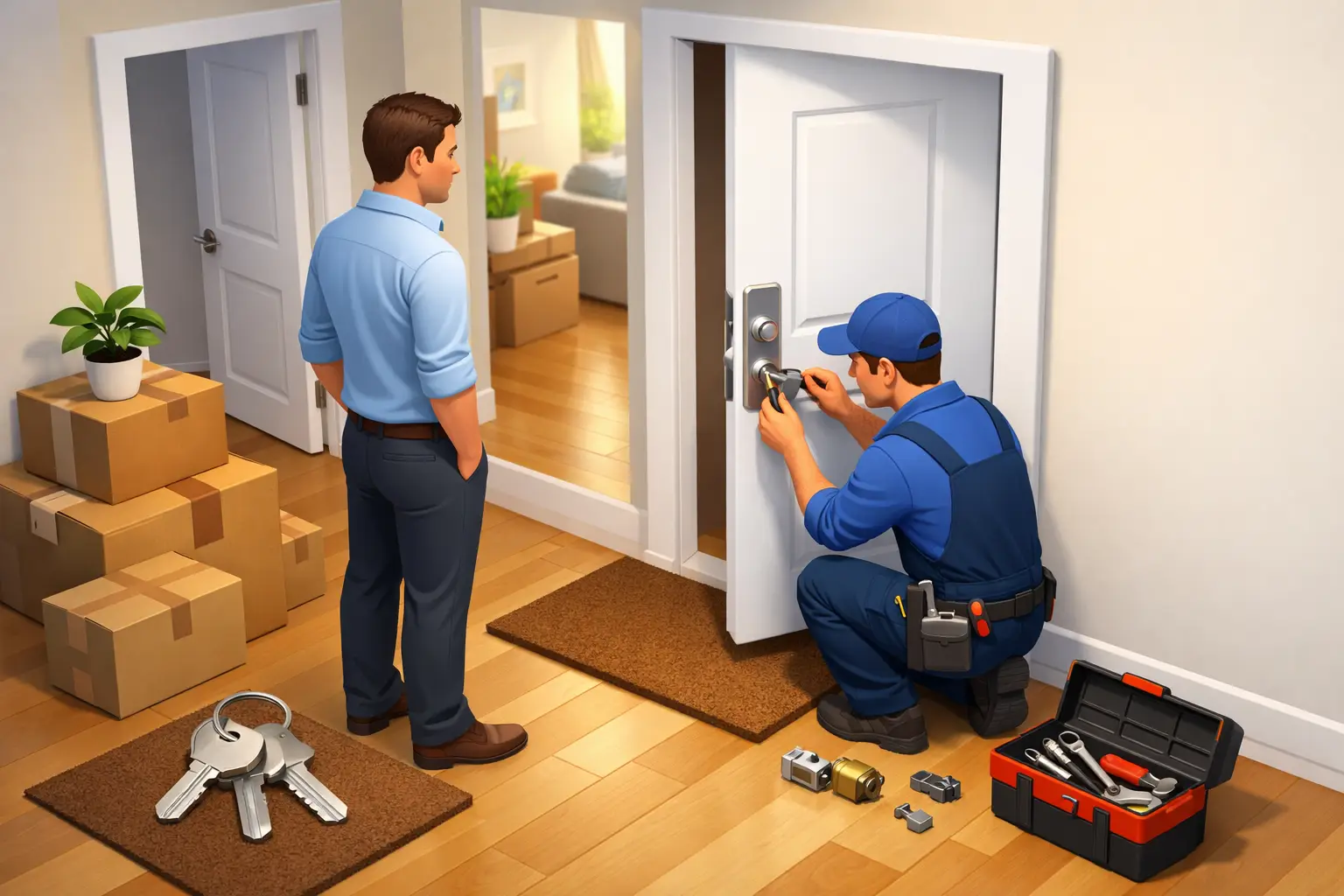
The removalist has left, the boxes are stacked, and you finally have the keys in hand. But do you know who else may still have a copy? To rekey locks after moving is one of the simplest ways to take control of access to your new home, whether you have bought a house, moved into a unit, or taken possession of an investment property.
A previous owner may have given keys to family, neighbours, cleaners, tradespeople, dog walkers or tenants. They may have misplaced copies years ago and forgotten about them. Most people are honest, but home security should not depend on guessing where old keys might be. Rekeying gives you a fresh start without necessarily replacing every lock on the property.
What does it mean to rekey a lock?
Rekeying changes the internal configuration of an existing lock so it works with a new key. The lock hardware remains on the door, but any old key is rendered useless.
For many newly moved-in homeowners, this is a practical alternative to a full lock replacement. If your locks are in good condition, suitable for the door and provide the level of security you need, a locksmith can often rekey them rather than install new hardware. It is usually faster, less disruptive and can be more cost-effective than replacing each lock.
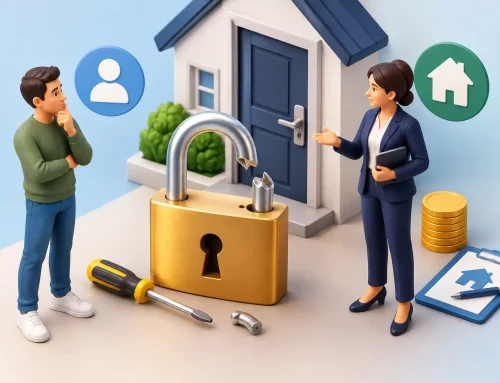
The key point is simple: rekeying deals with unknown keyholders. Replacing a lock deals with worn, damaged, outdated or unsuitable hardware. Sometimes the right answer is both.
Why rekeying should be near the top of your moving list
Moving day creates plenty of urgent jobs, from connecting utilities to finding the kettle. Security can easily slip down the list because there is no obvious problem to fix. Yet the risk is present from the first night you stay in the property.
The keys handed over at settlement are not a complete record of every key ever cut. A seller may genuinely believe they have returned all copies, while an old spare is still sitting in a relative’s drawer or attached to a retired tradie’s keyring. If the property was rented previously, there could have been several tenants over the years.
Rekeying also removes the awkward need to chase people for keys. Rather than asking former occupants, contractors or neighbours whether they have a copy, you can have the lock changed internally and move forward with confidence.
For landlords and property managers, prompt rekeying between tenancies is equally sensible. It helps protect incoming tenants, creates a clearer access record and shows that property security has been taken seriously from the start.
Rekeying versus replacing locks: how to choose
A locksmith will assess the condition and type of your existing locks before recommending a solution. Rekeying is often appropriate when the lock operates smoothly, the door and frame are sound, and the hardware meets your security needs.
Replacement may be the better choice if the lock is stiff, corroded, visibly damaged or has been forced in the past. It may also be worth upgrading if your front door has basic hardware that offers limited protection, the deadlock is not compliant with your insurer’s requirements, or you want a restricted key system that makes unauthorised duplication harder.
Older homes can present mixed lock types across front, rear, laundry and side doors. In that situation, a locksmith may be able to rekey compatible locks to one key while replacing the odd lock that cannot be matched. Having one key for several external doors is convenient, but it should never come at the expense of a properly secured entry point.
Electronic keyless locks are a separate consideration. Instead of rekeying, they may need user codes, keycards, fingerprints or app access deleted and reset. Ask for all administrator credentials to be removed, not just the obvious everyday code.
Start with the doors people forget
The front door deserves attention, but it is not always the easiest way into a home. A thorough check looks beyond the main entrance and considers every point where a person could enter with a key.
Pay particular attention to:
- front, back, side and laundry doors
- garage access doors and the internal door between the garage and house
- gates, sheds, workshops and storage cages
- sliding doors with keyed locks or external access points
- letterbox locks, if they contain personal mail or spare keys
If you have bought a townhouse, apartment or strata property, some doors and common areas may be managed by the owners corporation. Your own unit entry lock is usually your concern, while common-access locks may be controlled under strata arrangements. Check the relevant rules before changing any lock that affects shared access, fire safety or building master-key systems.
Do renters need to rekey after moving?
Renters should not assume they can alter locks without permission. In the ACT, tenancy arrangements and lease conditions can affect what changes are allowed, who must be notified and how keys are managed. Speak with the landlord or property manager before arranging work.
That said, renters are entitled to feel safe in their home. If there is a genuine concern about unknown keys, a faulty lock or a previous occupant retaining access, raise it promptly and keep the request in writing. A professional locksmith can advise on the existing hardware and carry out approved work without damaging the door or compromising the property’s key system.
Property managers benefit from using a clear process at every change of tenancy. Collecting keys is useful, but rekeying provides a more reliable reset when copies cannot be accounted for.
When should you book a locksmith?
Ideally, arrange rekeying on settlement day or before your first night in the property. If that is not possible, use the existing locks carefully and make it an early priority. Do not leave keys under a pot, in the letterbox or taped behind a meter box while you wait.
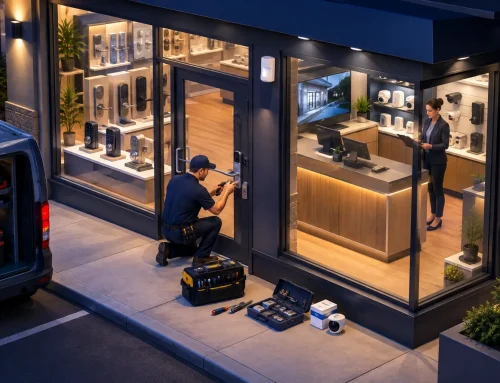
If the lock is damaged, keys are missing, or you are concerned that someone may try to enter the property, treat it as urgent. A mobile, 24/7 locksmith can secure the home and recommend whether an immediate rekey, lock repair or replacement is needed.
When you call, explain how many external doors you have, whether there are gates or a garage, and whether you want one key to operate multiple locks. Photos can help where a locksmith requests them, but an on-site inspection is the best way to identify hidden issues such as a loose strike plate, misaligned door or worn cylinder.
Use the appointment to improve everyday security
A move is a useful moment to look at security as a whole, not just the keys. Small improvements can make a meaningful difference. A locksmith may identify a deadlock that does not engage properly, a sliding door needing an auxiliary lock, or a door frame that would benefit from stronger fittings.
This is also the right time to decide who needs keys and how many copies you want in circulation. Keep a simple record, give spares only to trusted people and avoid labelling house keys with your address. If several family members, staff members or contractors need access, ask whether a restricted key system or master key arrangement would offer better control.
For Canberra homeowners, Night & Day Locksmiths can assess existing locks, rekey suitable hardware and provide practical advice on upgrades where they are genuinely needed. The aim is not to replace working locks for the sake of it, but to make sure your property has secure, reliable access from day one.
A new address should feel like a fresh start. Once the locks are rekeyed and the keys are accounted for, you can spend your first evening settling in rather than wondering who might still be able to open the door.